
2022-10-04
At the end of his short film, Peregrino Shanocua Chaeta asks a difficult question: “What would you do if you were in my place?”.
His words are not a dare or a lament, he says, but rather an appeal for help.
Peregrino’s film Sha’à tells the story of how he faced down illegal gold miners in his region of Madre de Dios, Peru, and of the price he paid for confronting them.
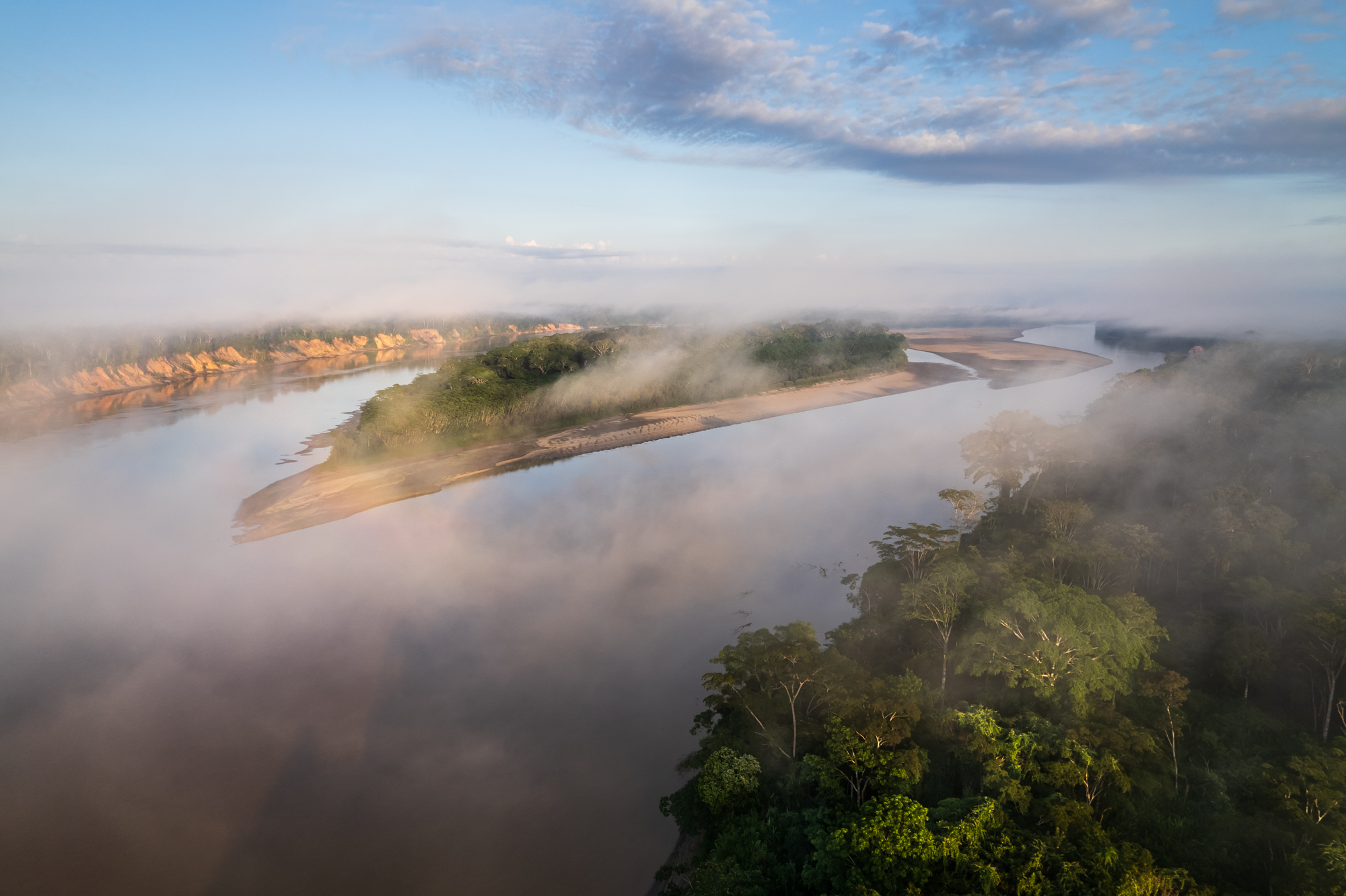
An image the Madre De Dios River featured in the short film. Sha’à/Peregrino Shanocua Chaeta
A member of the Ese Eja people who live in the southwest Amazon basin of Bolivia and Peru, Peregrino describes the moment when he realised it was time to speak up.
“I was so upset I decided to act,” he says in the film, narrated in his native Ese Eja language.
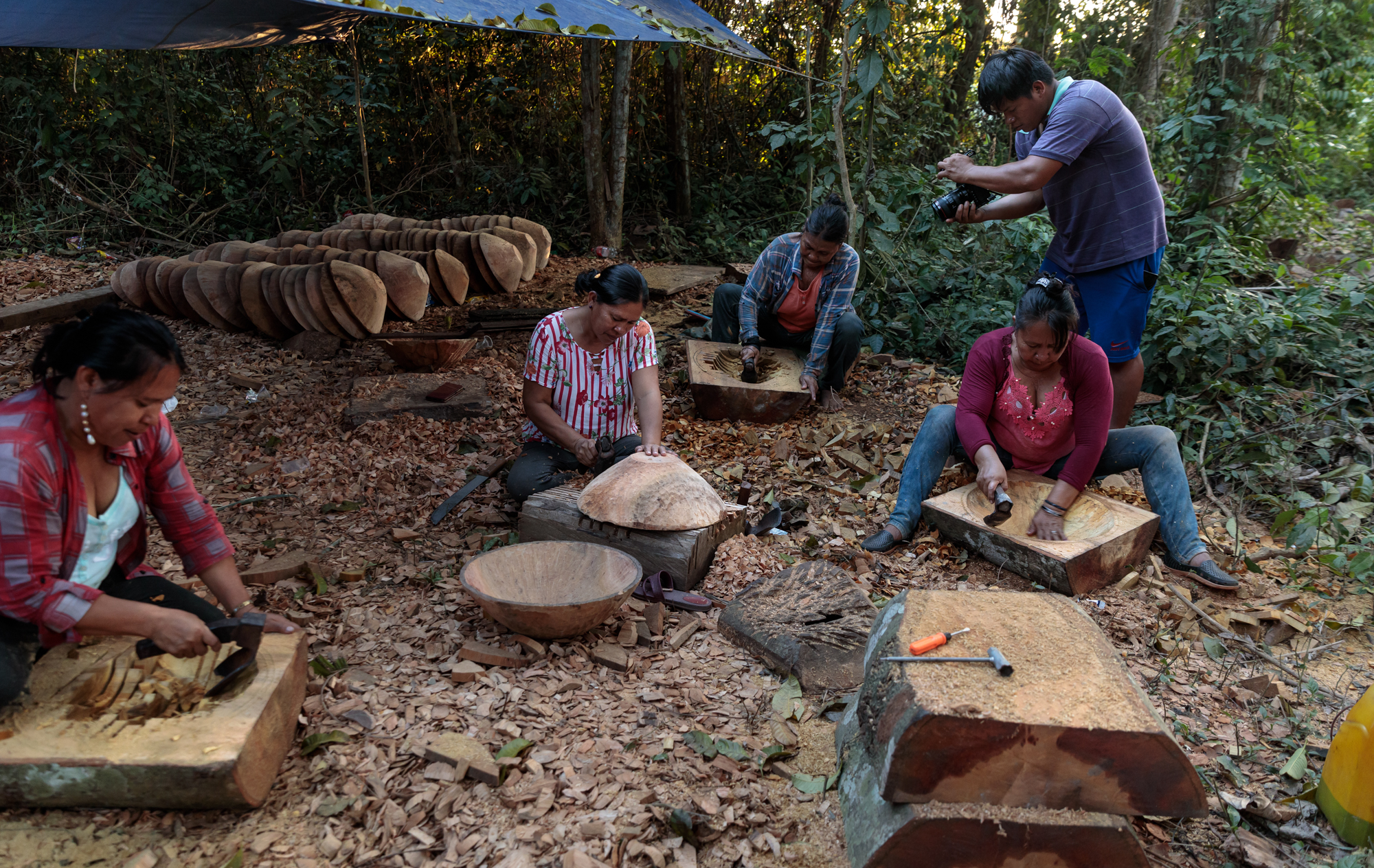
Peregrino shot and produced his roughly three-and-a-half-minute long film earlier this year thanks to the skills and training he gained from the “Leadership and communications” training programme. This online communications training for young indigenous people was developed in response to the need to make visible the challenges, difficulties, and opportunities of Indigenous Peoples to preserve their rights, territory, and culture.
Starting on just mobile phones, Peregrino and others young people from native communities of Madre de Dios learned about film production and editing as well as leadership and communication skills. Eventually they graduated to proper digital cameras and began putting into practice the elements of filmmaking. They became the first network of indigenous communicators in the Peruvian Amazon. The training was led by the Peruvian Society of Environmental Law (SDPA), in collaboration with Mongabay, If Not Us Then Who?, and the Tenure Facility.
SDPA/Diego Pérez
And Sha’à, named after Peregrino’s grandmother as a tribute for raising him, is traveling beyond South America for screenings at the 2022 Jackson Wild Summit, a film festival which ran from September 26 to 30 in Austria. Speaking from outside his home before heading abroad for the very first time, Peregrino says he’s glad others will hear his message.
“I feel very happy but at the same time I’m pretty sad because I’m going over there with this mission to show them my story, to make them see the dark side of the Amazon,” he says.
The illicit mining has had devastating effects on the Ese Ejja community and other Indigenous Peoples living in the Peruvian Amazon. The mines destroy surrounding rainforests, poison life-giving waterways, increase carbon emissions and threaten indigenous traditions and ways of life. And, as Peregrino puts it, the miners only leave once all the gold is gone.
For Peregrino, defending his community and challenging the illegal miners brought on its own perils. He was kidnapped, badly beaten and later faced death threats from a hitman. However, it is difficult to find protection. As Peregrino says in the film, “in my community, there are no police.”
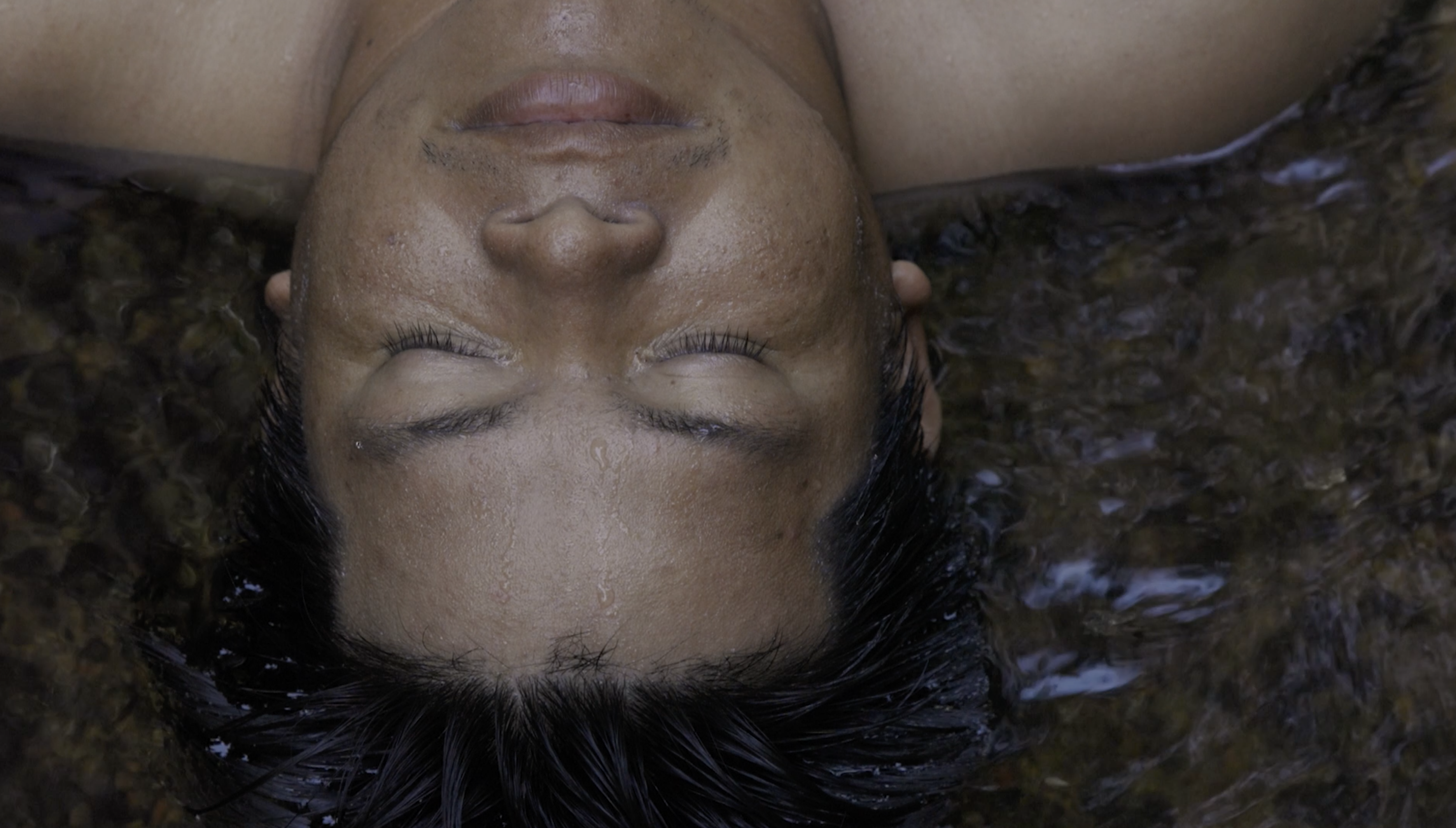
Sha’à/Peregrino Shanocua Chaeta
Although Peregrino’s story is finding a global audience in Austria, he says he has no plans to screen it in his native Peru out of concerns for his family’s safety.
That’s why he poses his question – what would you do if you were me? – at the end of Sha’à.
“I would like them to answer me how they can help me. How they can help or how they can sort out the contamination, the destruction of our ancestral territory?” he says. “How would you act in my place?”
Peregrino says he believes one way people can help is by continuing to support young, indigenous leaders by giving them the tools and education needed to protect and sustain their territory when others are unable to do so.
Articles