
The power of village land commissions to secure customary rights

The National Coordinating Body of Peasant Organizations in Mali (CNOP) is building on the achievements and lessons of the Tenure Facility pilot project to upscale the role of local land commissions in recognizing tenure rights and resolving conflict over land and resources. Like the Tenure Facility pilot, the initiative will contribute to achieving the 2015 Accord for Peace and Reconciliation by addressing land conflict, a root cause of the armed conflict. It will also support the implementation Mali’s Agricultural Land Law (LFA), which was enacted in 2017. The LFA recognizes the customary land rights of communities and family farmers, which can be secured through local land commissions.
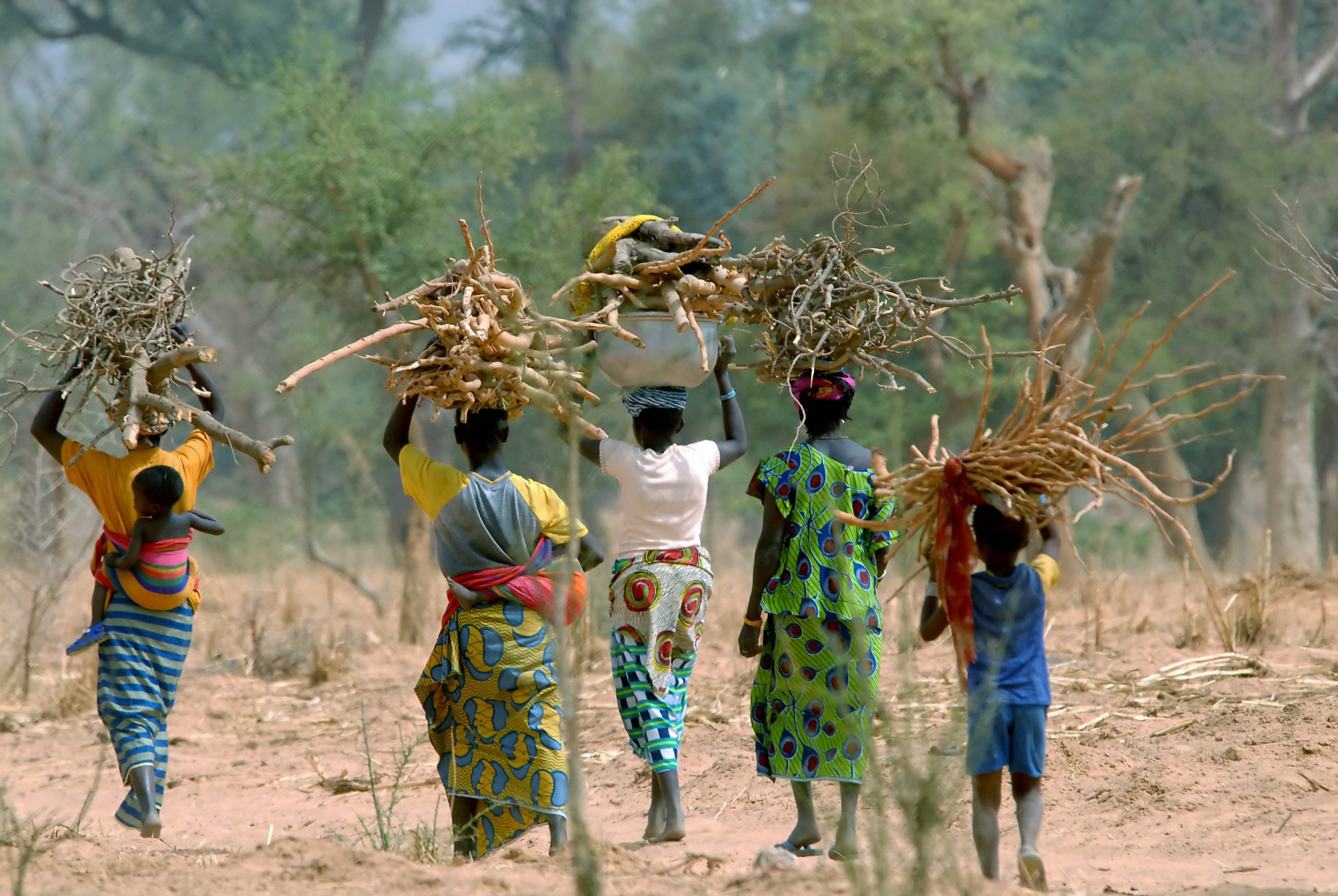
Working with HELVETAS Swiss Intercooperation, CNOP will consolidate the capacity and effectiveness of the 17 local land commissions established in the pilot, establish and support the operations of 100 more land commissions in three regions, and encourage the inclusion and participation of women and vulnerable groups in land governance. The initiative aims to encourage sustainable management of natural resources by promoting the agro-ecological farming. This innovative approach promotes environmental protection, climate change mitigation, social inclusion, and peaceful collaboration and co-existence.

With a Tenure Facility investment of 1.5 million US dollars, the initiative aims to secure 15,000 hectares of village and family land in three regions.

To read a brief overview of Mali, click here.

For a timeline of land and forest rights in Mali, click here.

To read about our related project, click here.

Articles

17 August 2026

Cameroon

The land beneath their feet: Bagyeli communities’ journey towards recognition and security of their land and forest rights

In the Ocean Department of southern Cameroon, roads wind through dense forests, long stretches of red laterite tracks, major development projects — including mining and agro-industry — and industrial plantations that seem to expand a little further each year, gradually reducing the living space available to communities.

04 August 2026

Blogs

Pourquoi les droits fonciers ne peuvent pas attendre la paix

Et si attendre la paix était l’un des plus grands obstacles à la sécurisation des droits fonciers ? Pendant des décennies, la gouvernance foncière a été largement considérée comme un élément de la reconstruction post-conflit. L’hypothèse était simple : le conflit prend fin, les institutions se redressent, les populations rentrent chez elles, et ce n’est qu’alors que les droits fonciers peuvent être rétablis. Dans de nombreuses régions du monde, cependant, cette séquence ne correspond pas à la réalité. Les conflits sont souvent prolongés, les institutions peuvent être affaiblies ou inexistantes, et les registres fonciers officiels ont parfois disparu. Pourtant, les communautés continuent de cultiver leurs terres, de gérer les forêts, de résoudre les différends et de défendre leurs territoires en s’appuyant sur les systèmes de gouvernance qui restent à leur disposition.

23 July 2026

Blogs

Why land rights can't wait for peace

What if waiting for peace is one of the biggest obstacles to securing land rights? For decades, land governance has largely been treated as part of post-conflict recovery. The assumption has been straightforward: conflict ends, institutions recover, people return home, and only then can land rights be restored. In many parts of the world, however, that sequence does not reflect reality. Conflict is often prolonged, institutions may be weakened or absent, and official land records may have disappeared. Yet communities continue farming, managing forests, resolving disputes, and defending their territories using the governance systems still available to them.