
2026-03-02
In Bafwasende, women have long been pushed to the sidelines of community decision‑making processes. Yet, long before any outside project arrived, they had already begun coming together, slowly shaping opportunities that could transform their lives. Quietly, they began rewriting their own story.
It started when around 80 women formed an informal mutual‑aid association, contributing small amounts to support one another in times of illness or bereavement. What began as a discreet aid collective soon evolved into a powerful base of solidarity—one that would eventually spark profound change across their community.
As their quiet progress continued, the introduction of cocoa‑based agroforestry marked a decisive turning point. Women gradually stepped into agricultural work, revealing both their productive potential and their determination to assert themselves economically. Their momentum grew further through training provided by the Working Landscapes and SEFOMEPAC projects, which strengthened women’s leadership, organisational structuring, business‑plan development, fish farming, and broader livelihood diversification.
In Bafwapada, their growing unity reached a turning point as the women stepped forward to formalise their collective strength into a formal organisation: The Mamans Maendeleo Association.
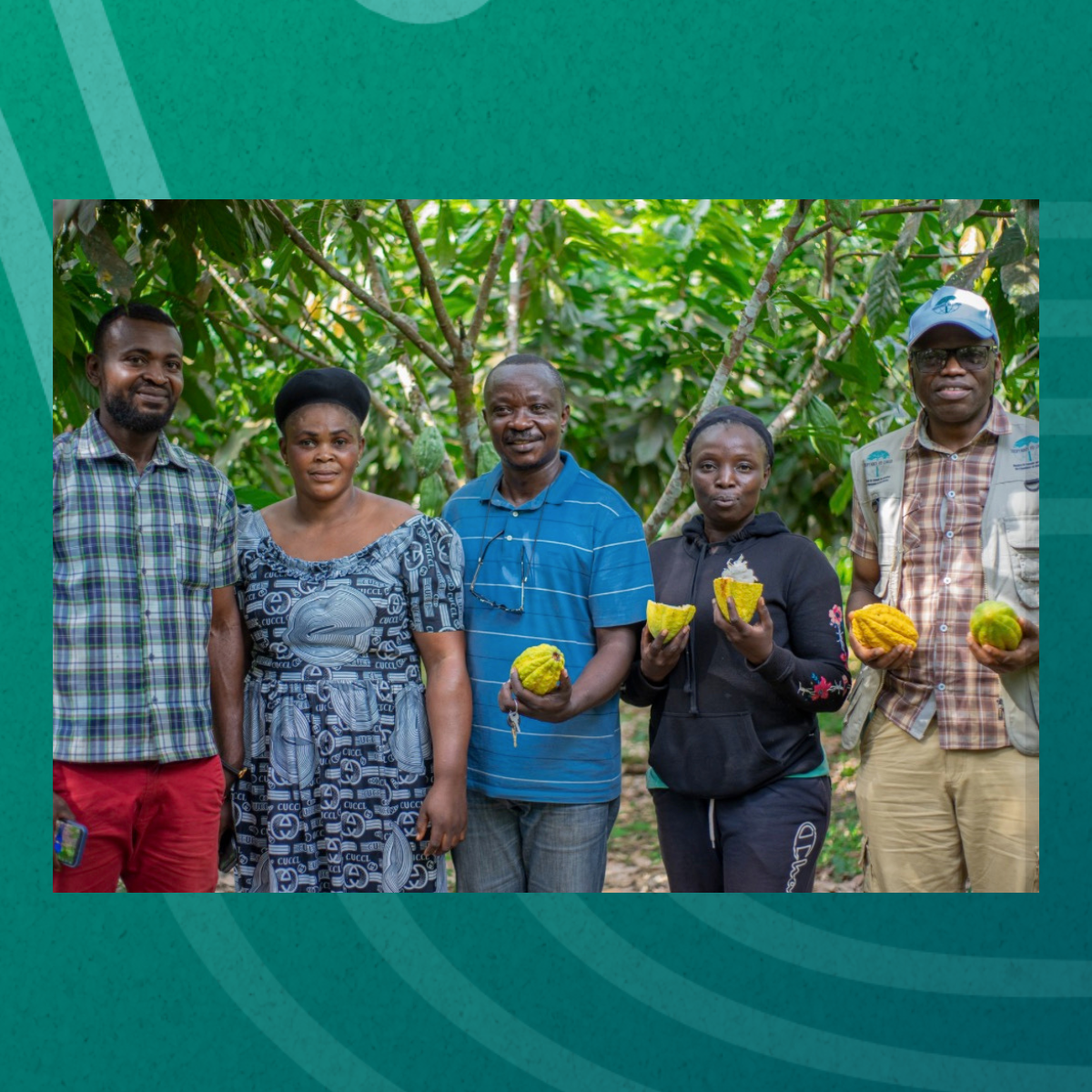
The Mamans Maendeleo Association. Picture by Tropenbos
Eager to organise themselves professionally and strategically, they appointed the head of the Bafwasola group as their leader and requested land for a fishpond to expand their agroecological activities. Using their own resources, they built the pond and stocked it with fry. Following the learning they got in economic planning trainings, they developed a business plan that was selected and funded by the SEFOMEPAC project. The funds, combined with their own contributions, allowed them to complete the pond, purchase a breeding sow, and launch new income‑generating activities.
The Mamans Maendeleo Association is now planning to set up a community cocoa field using agroforestry techniques and has already secured support for seeds.
Through these collective efforts, the women of Bafwapada have succeeded where NGOs have struggled to mobilise local communities; an outcome that calls for humility and reflection on how interventions are designed and led.
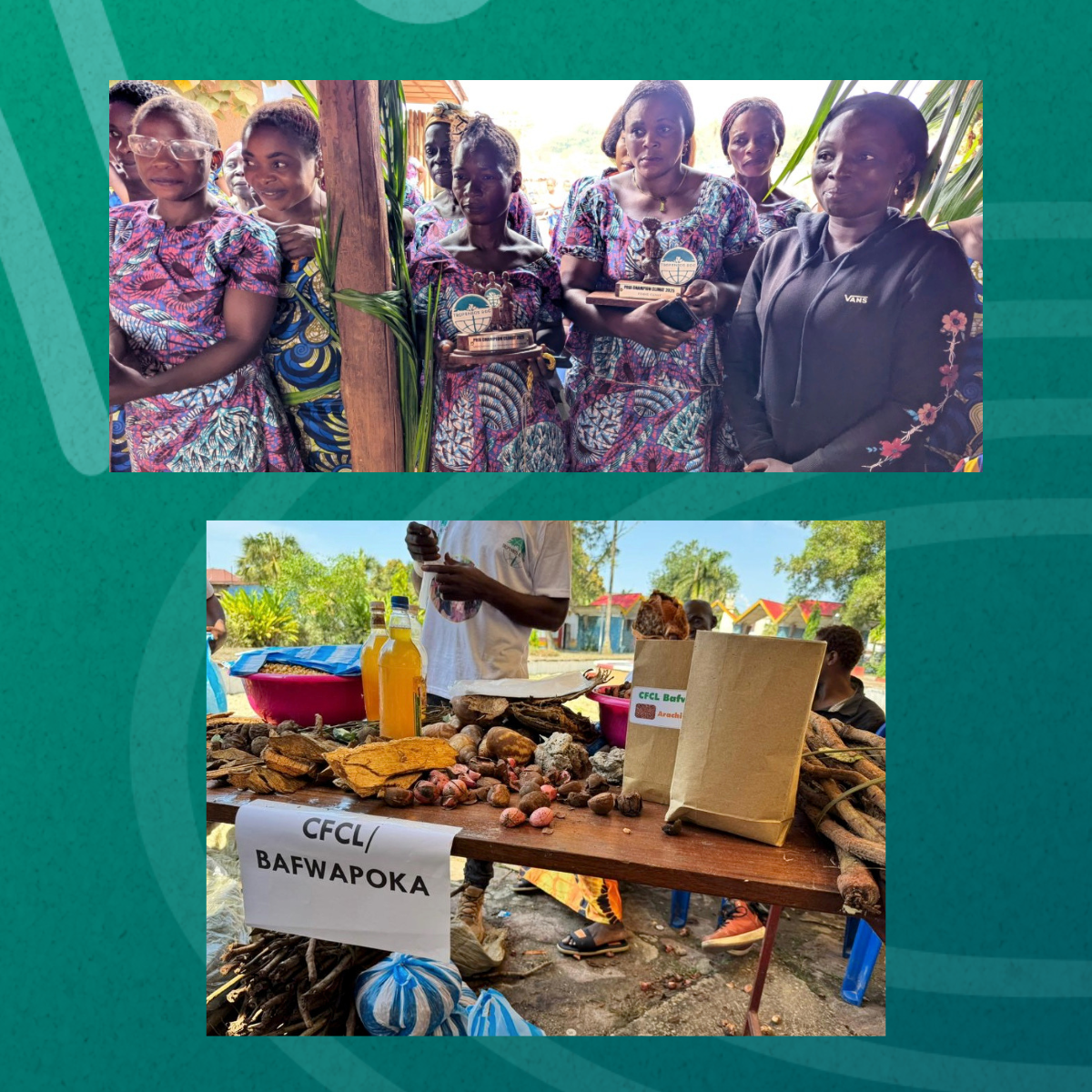
Women part of the association. Picture by Tropenbos
Beyond the economic results, this success reflects a major social transformation. Women now actively participate in community assemblies, speak alongside men and traditional authorities, contribute to decision-making and initiate structuring entrepreneurial projects. The success of Bafwapada has created a ripple effect throughout the Bafwasende landscape.
In Bapondi, a women’s association has cleared a collective field and planted rice. In the CFCL of Bafwamogo, other women are building a fish pond based on their individual contributions. In Barumbi-Tshopo, young girls have mobilised to develop agroecology through the collective cultivation of beans.
The experience of the Mamans Maendeleo shows that investing in women’s leadership, organisational structuring, training, and access to resources, while also recognising and supporting existing women‑led initiatives, can transform women into central actors of local development.
Other Blog Posts
Categories: