
2024-08-09
Today Tenure Facility commemorates the International Day of the World’s Indigenous Peoples, chosen to mark the first meeting in 1982 of the UN Working Group on Indigenous Populations.
The day recognises the millions of Indigenous Peoples living across the globe, upholding their rights, honouring their achievements, promoting their contributions and celebrating their culture.
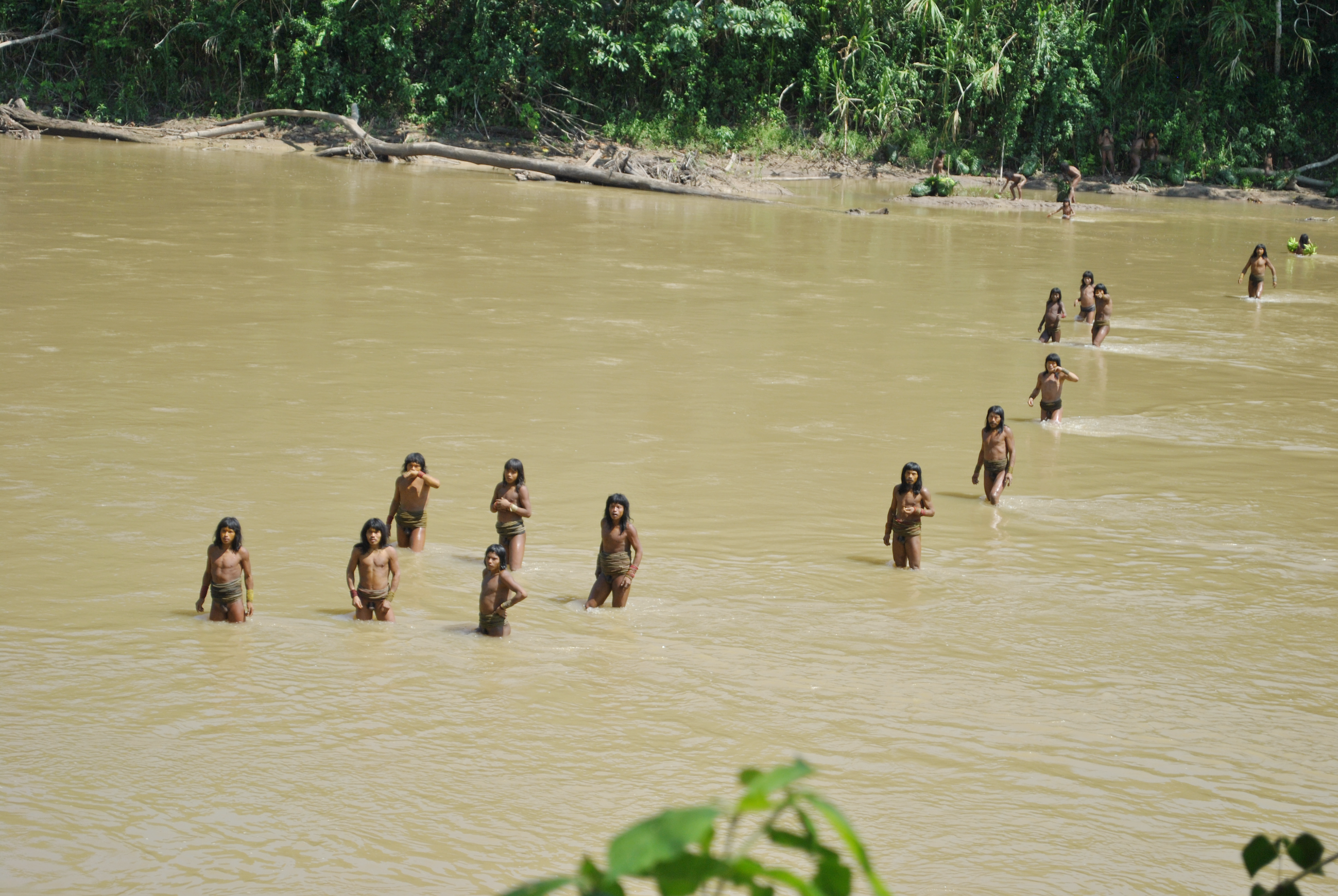
This year features a special focus on protecting Indigenous Peoples in voluntary isolation and initial contact – communities who have chosen to live without regular interaction with the surrounding world.
FENAMAD
These groups, found primarily in the remote areas of the Amazon Basin and parts of Central and South America, live detached from the rest of the world and, as a result, little is known about them. They mostly maintain hunter-gatherer lifestyles that are deeply intertwined with the landscape and dependent on traditional practices.
According to the UN, about 200 groups of Indigenous Peoples currently live in voluntary isolation and initial contact in Bolivia, Brazil, Colombia, Ecuador, India, Indonesia, Papua New Guinea, Peru and Venezuela.
Like other indigenous communities, those in voluntary isolation and initial contact are often stewards of vast, biodiverse regions. Their ways of life contribute to the conservation of forests, waterways, and wildlife. By protecting and advocating for their rights, work that Tenure Facility partners in Peru have carried out, we also safeguard critical ecosystems that are vital for global health.
The voluntary isolation of these communities is a conscious choice and largely a protective measure since past contact with outsiders has brought catastrophic consequences.
Violence, enslavement, displacement and above all disease caused by colonial and modern expansion have decimated populations and undermined their ability to sustain their traditional ways of life. That’s why contact, whether intentional or accidental, can pose a severe risk to these communities.
By respecting their autonomy and ensuring the integrity of their territories, we honour their right to self-determination and contribute to preserve our planet’s cultural and ecological diversity.
FENAMAD
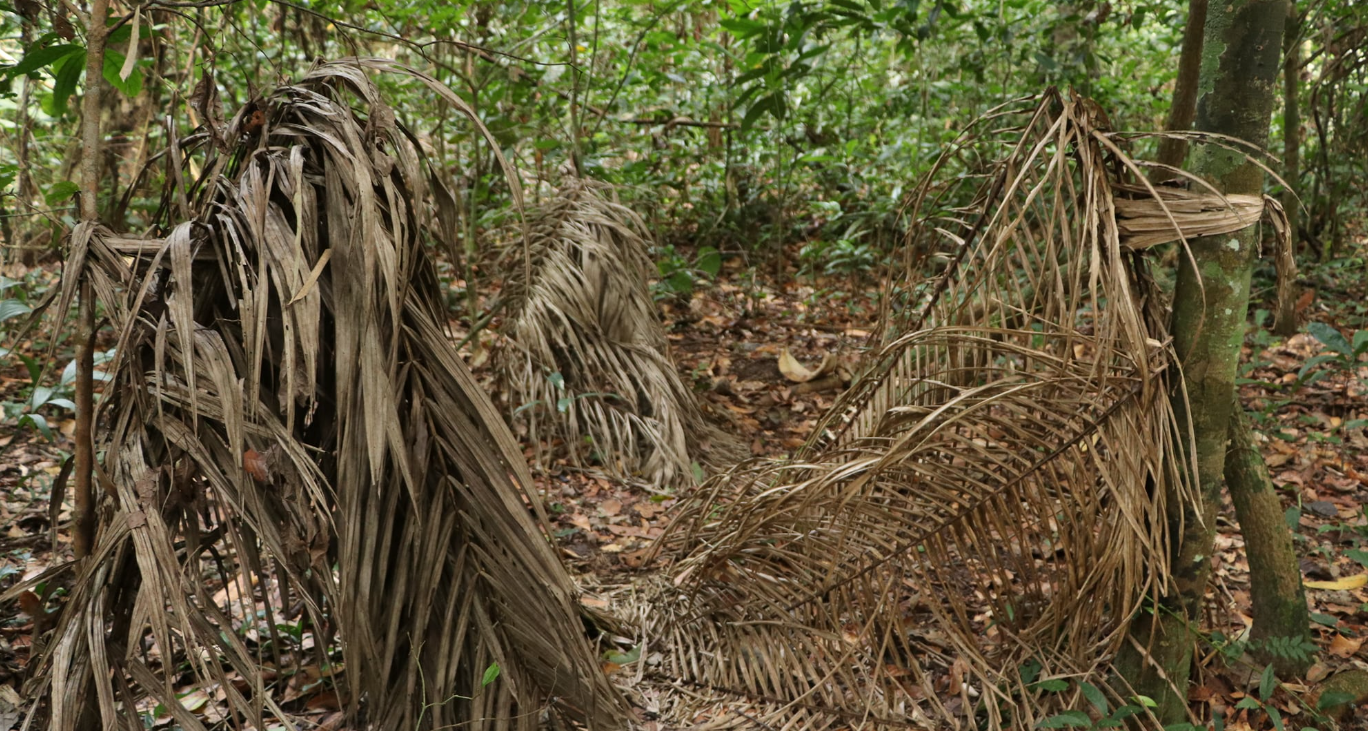
Indigenous Peoples in isolation are those who have not developed sustained social relations with the broader society or who, having done so, have chosen to discontinue them.
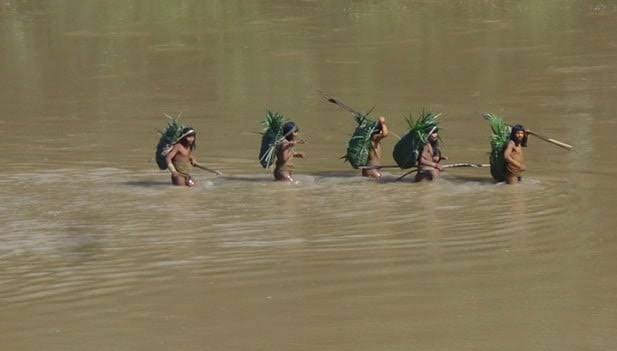
Communities in initial contact are those who have initiated a process of interaction with the outside world. These are peoples who, in many cases, in the past were killed, tortured, enslaved, expelled from their territories and who, because of this experience, have decided to isolate themselves and not to contact other cultures.
In recent years, if they have done so, it is because the forests where they live have been destroyed, forcing them to seek refuge and food in neighbouring lands inhabited by other indigenous peoples, settlers or companies.
FENAMAD
Besides contact with the outside world, these communities face several threats just like other indigenous groups. Though their lands may be difficult to access, they are usually rich in natural resources which can make them susceptible to encroachment.
Illegal logging and mining can lead to violent encounters and environmental destruction. Large-scale agriculture and ranching contribute to habitat loss and fragmentation. Roads, dams, and other infrastructure projects can disrupt their territories. All of this can increase the chances of unwanted contact, compounding the problem.
Another issue is the belief that Indigenous Peoples in voluntary isolation and initial contact want to or should be contacted by the outside world, which, some allege, they would embrace if given the choice.
Protecting the rights of Indigenous Peoples in voluntary isolation and initial contact is a matter of human rights, health, cultural preservation, and environmental stewardship. These communities have the inherent right to choose their way of life and to decide if, when, and how they interact with the outside world.
But how can we help communities that are more or less removed from modern society?
One of the most effective ways is through the legal recognition and enforcement of territorial boundaries. This protects against encroachment and can help minimize accidental or forced contact. Countries like Bolivia, Brazil and Peru have laws that allow for the creation of territorial reserves set aside for people living in voluntary isolation.
Working in partnership with local and indigenous organisations can also raise awareness about the rights and vulnerabilities of these peoples and foster greater support for protective measures.
Overall, efforts must be sustained and enhanced through legal frameworks, vigilant monitoring, and collaborative partnerships to ensure that these communities can continue to live according to their values and traditions, free from external threats and pressures.
Articles