
2026-09-15
The adoption of the National Policy on Indigenous and Native Peoples through 2040 in April 2026 represents a major milestone for Peru, particularly for the Amazon region, given the policy’s national, multisectoral, and legally binding nature and the prior consultation process conducted with Indigenous organisations. Authored by: SPDA, RRI & Tenure Facility
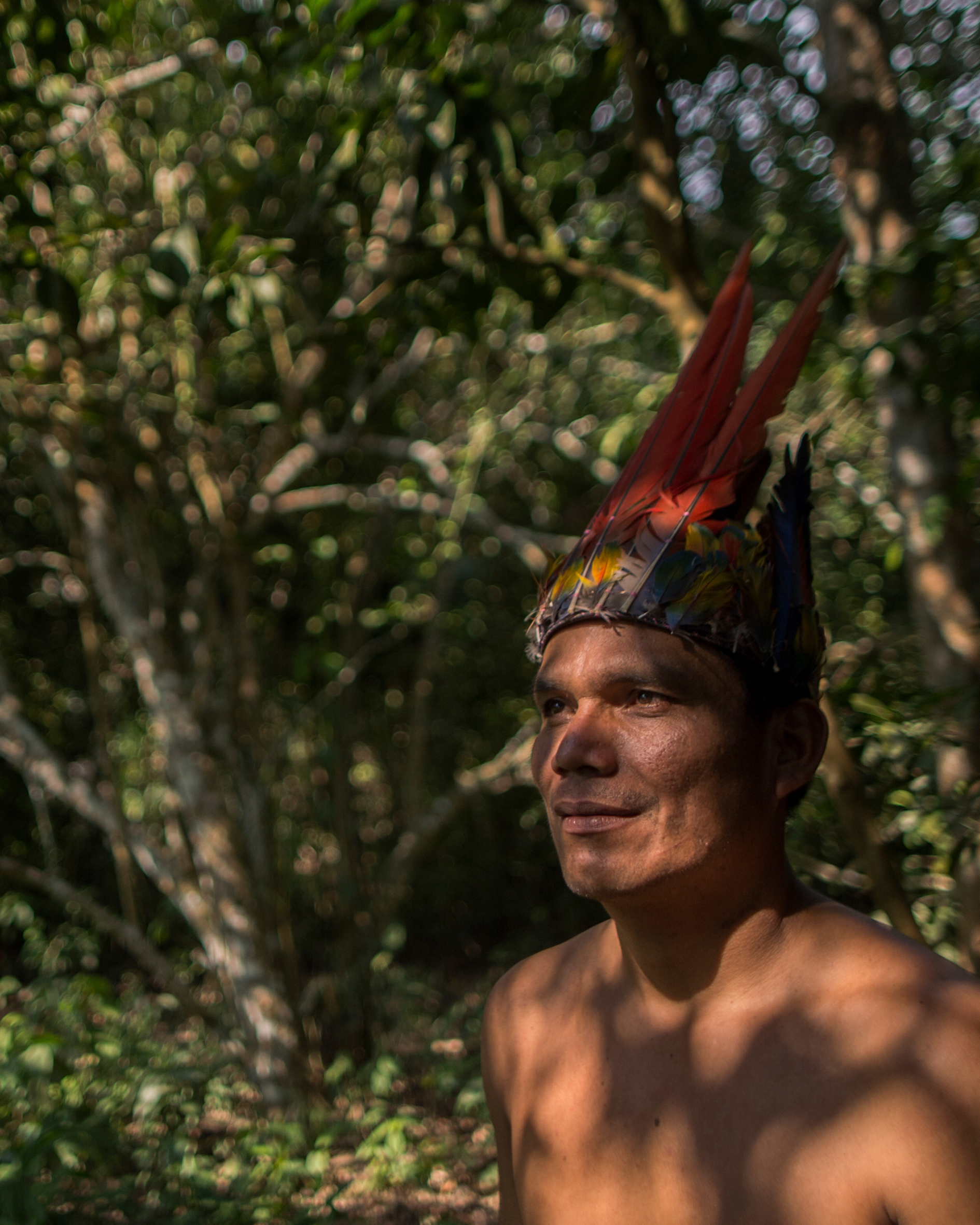
Photo courtesy: Diego Pérez / SPDA
Approved by Supreme Decree No. 002-2026-MC last April, this policy sets out a national and multisectoral roadmap to guarantee the exercise of the collective rights of Indigenous and Native Peoples. Its value extends beyond the regulation itself, providing a framework for guiding government action in response to historical problems that require comprehensive, sustained, and culturally relevant solutions.
Specifically, the policy seeks a more coherent and coordinated state response to the major challenges faced by Indigenous and Native Peoples. This includes strengthening the legal security of their lands and territories, guaranteeing participation and prior consultation, protecting Indigenous Peoples in voluntary isolation and initial contact, recognising their traditional knowledge, improving access to public services, and addressing ethnic-racial discrimination and racism. Its implementation brings together 40 agencies across 19 ministries and encompasses 141 public services designed to ensure that, by 2040, a greater proportion of Indigenous people can fully exercise their collective rights.
For the Indigenous organisations that championed and actively participated in this process, the approval represents recognition of years of struggle, dialogue, and coordination.
“The approval of this policy is a historic achievement and a victory arising from the struggles of Indigenous Peoples. It is the result of our resistance and organisation, led by AIDESEP [Interethnic Association for the Development of the Peruvian Rainforest] and supported by regional organisations such as FENAMAD [Native Federation of the Madre de Dios River and Tributaries]. However, the approval is only the first step: the true test will be whether the policy is implemented and translates into concrete progress in our territories,” said Eusebio Ríos, vice president of FENAMAD.
Likewise, for the Peruvian Society for Environmental Law (SPDA), Tenure Facility, and the Rights and Resources Initiative (RRI), this milestone holds special significance because it reaffirms the value of supporting—in various roles and at different times—long-term processes aimed at strengthening collective rights and Indigenous institutions in the country.
Although the Peruvian government led the development of the policy, Indigenous organisations played a central role in shaping it. AIDESEP brought the demands of grassroots communities in the Amazon and the Andes into the prior consultation and intercultural dialogue processes, while its regional organisations such as FENAMAD championed priorities identified in the territories, including territorial security, the protection of Indigenous Peoples in voluntary isolation and initial contact, and the recognition of their collective rights. In addition, civil society and international cooperation partners supported the initiative and helped sustain a process that required years of dialogue, coordination, and joint work.
"The approval of this policy is a historic achievement and a victory arising from the struggles of Indigenous Peoples. It is the result of our resistance and organisation, led by AIDESEP and supported by regional organisations such as FENAMAD. However, the approval is only the first step: the true test will be whether the policy is implemented and translates into concrete progress in our territories. "
The path towards this policy began in 2019 as a joint initiative of the Ministry of Culture, Indigenous organisations, and civil society. The SPDA participated from the early stages, providing technical support for forums related to the policy’s formulation and facilitating dialogue with Indigenous organisations on the challenges affecting Indigenous Peoples’ collective rights.
“These processes are not built overnight. They require trust, dialogue, technical work, and a sustained commitment to strengthening Indigenous institutions. The approval of this policy demonstrates that supporting long-term processes can indeed bring about concrete changes for the country,” said Silvana Baldovino, director of the SPDA’s Biodiversity and Indigenous Peoples Programme.
Throughout this process, the support and collaboration of Tenure Facility and RRI were essential to advancing a complex agenda focused on strengthening collective rights, territorial security, and the institutional capacities needed to address the demands of Indigenous and Native Peoples.
“The approval of the National Policy on Indigenous and Native Peoples is a historic milestone for the government, Indigenous organisations, and civil society. This policy establishes a common framework of objectives and strategies that more than 40 government agencies will follow to guarantee the collective rights of Indigenous Peoples, including the formalisation of communal territories. This will enable more coordinated and effective public action, with a positive impact on nearly six million Indigenous Peruvians. At Tenure Facility, we remain committed to supporting this new phase of implementation in partnership with Indigenous organisations, the government, civil society, and our cooperation partners,” said Dhaynee Orbegozo, Tenure Facility’s programme officer for Peru.
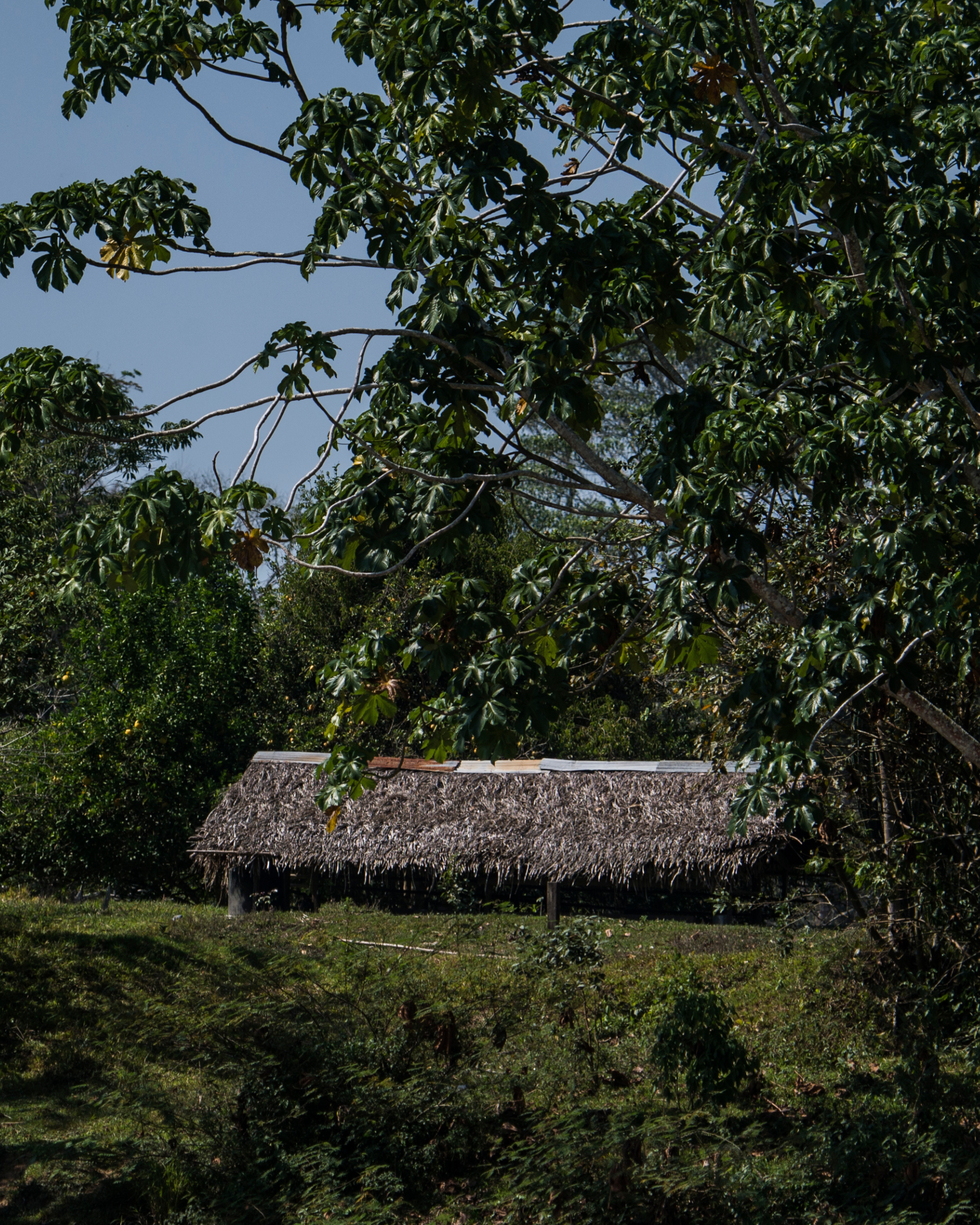
Photo courtesy: Diego Pérez / SPDA
The experience gained over the years through the various roles played by the FENAMAD, SPDA, Tenure Facility, and RRI shows that protecting Indigenous Peoples’ rights does not depend solely on specific regulations or isolated processes. It requires a combination of legal work, technical assistance, institutional strengthening, coordination with Indigenous organisations, strategic communication, and sustained cooperation.
For this reason, the policy’s adoption should not be seen as an endpoint but rather as the beginning of a new phase. The priority now is effective implementation, with adequate budgets, appropriate public services, strong coordination across sectors, and concrete results in the territories.
As Ríos noted, Indigenous organisations expect implementation to deliver tangible results in their territories, including real progress in land titling and protection, guarantees for Indigenous Peoples in voluntary isolation and initial contact, effective access to public services, and ongoing dialogue with their organisations at every stage. They also hope that international cooperation partners will continue supporting the process and its long-term sustainability.
In the immediate term, this means moving from regulatory approval to implementation by defining priorities, strengthening monitoring mechanisms, coordinating the responsible entities, and ensuring that the 141 public services set out in the policy effectively reach Indigenous Peoples. It will also be essential to maintain opportunities for Indigenous organisations to participate throughout implementation, ensuring that the process remains responsive to the demands that gave rise to the policy and is not limited to a mere administrative exercise.

Photo courtesy: Diego Pérez / SPDA
In this next phase, organisations like SPDA will support the implementation through technical assistance, evidence-based analysis, coordination, and monitoring, particularly in relation to collective rights, territorial security, Indigenous participation, the protection of Indigenous Peoples in voluntary isolation and initial contact, and institutional strengthening. The goal is for the policy to become an effective tool for guiding government action, closing historical gaps, and ensuring that commitments produce lasting improvements for Indigenous Peoples and their territories.
The policy’s adoption also creates an opportunity for the government, Indigenous organisations, civil society, and international cooperation partners to renew and strengthen their joint efforts. From their respective roles, they can support implementation through technical assistance, evidence, coordination, and monitoring, helping the roadmap deliver concrete progress for Indigenous and Native Peoples. For the SPDA, Tenure Facility, and RRI, this milestone reaffirms the importance of continuing to collaborate on long-term processes that strengthen rights, territories, and institutional frameworks in Peru.
“At RRI, we view the approval of this policy as a key step towards consolidating progress in the recognition of the collective rights of Indigenous Peoples in Peru. Many of the problems affecting Indigenous territories are sector-specific, so this policy sets forth a comprehensive approach to action in collaboration with ministries and executive branch agencies. For the first time, it requires executive branch institutions to work together towards a common goal and avoid contradictory policies that undermine the conservation and protection of the rights of Indigenous and Native Peoples. The most important thing now is to ensure that the policy is implemented and does not become merely a symbolic gesture,” said Omaira Bolaños, former director of RRI’s Latin America Programme, who led the process at the time and now heads the organisation’s Gender Programme.
Bolaños added, “Processes like this demonstrate that sustained work, coordination among stakeholders, and the strengthening of territorial security are fundamental to achieving lasting structural change.”
Articles