
2019-07-01
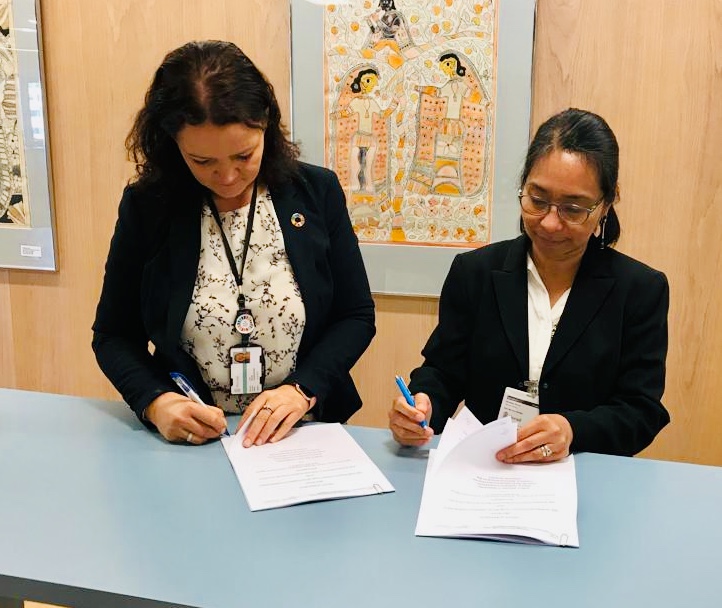
(Stockholm, Sweden – Oslo, Norway July 1st, 2019) -The Norwegian International Climate and Forest Initiative (NICFI) has granted NOK 100 million (EUR 10.3 million) to help secure land rights of indigenous peoples and local communities in tropical forest areas.
Reduced deforestation and sustainable land use can provide one third of the emissions reductions needed before 2030 to avoid dangerous global warming.
The money will be channelled through the International Land and Forest Tenure Facility, an international foundation based in Stockholm, Sweden.
“Securing land rights of indigenous peoples is the best way to avoid deforestation in tropical areas. We thank Norway for enabling the Tenure Facility to provide more economic and legal support to forest peoples to protect more forest landscapes. Deforestation contributes substantially to global warming and the rapid depletion of species”, said Nonette Royo, Executive Director of the Tenure Facility.
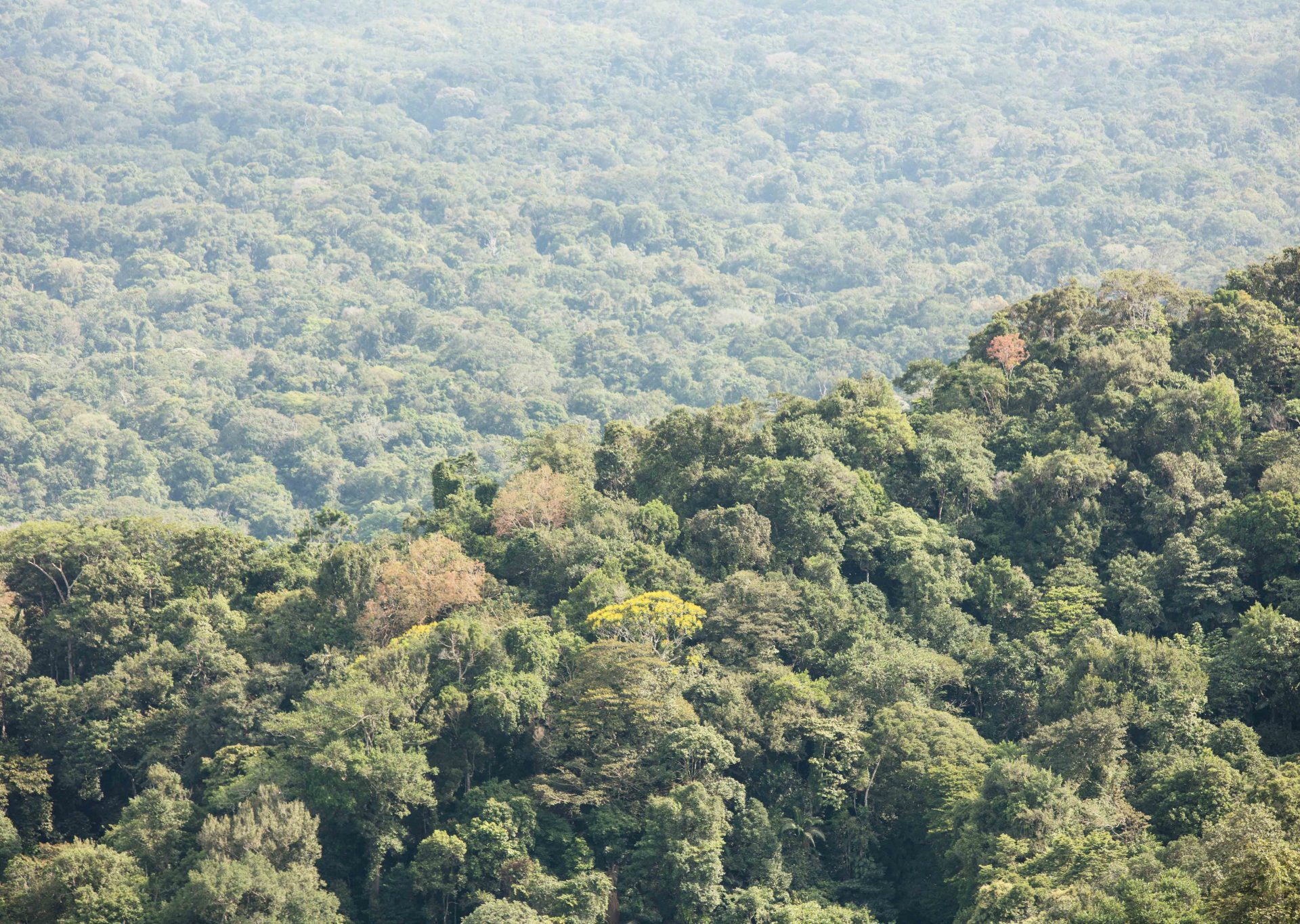
As much as 2.5 billion people make their living from forests and lands which they have customary rights to, but which are not legally recognized, placing their livelihoods and forests at risk. These lands, 5 billion hectares, make up 50% of the land on the planet, and hold much of the remaining biodiversity.
However, only a small fraction of community forest land is formally recognized under national law. Even where their rights are recognized, laws protecting them are often not implemented or enforced.
This is the challenge the Tenure Facility has been set up to correct. In the first five years, the Tenure Facility has assisted indigenous peoples and local communities secure more than 4.2 million hectares of land and forest in the most pristine locations in the natural world. They have also strengthened protection over 2.4 million hectares reserved for Indigenous Peoples living in voluntary isolation.
“In many places, we see increasing violence, forced displacement and even assassinations of indigenous leaders and other environmental and human rights defenders in areas with unclear land rights”, said Ola Elvestuen, Norwegian Minister of Climate and Environment.
The Norwegian International Climate and Forest initiative was established in 2008 following Norway’s pledge to spend up to USD 500 million per year to enable developing countries to reduce emissions from deforestation and forest degradation.
– Where Indigenous Peoples and local communities have secure rights to manage their forests, backed by supportive government policies and enforcement, there is substantially less deforestation and conflict than in state protected areas, or areas licensed for private, commercial use. Securing the land rights reduces the vulnerability of both forests and communities, and thus keeps vast quantities of carbon out of the atmosphere, the Minister says.
The NOK 100 Million grant to the Tenure Facility is managed by Norad, the Norwegian Agency for Development Cooperation.
“Protecting and restoring forests, producing food more sustainably and improving land use represents the most immediately available and safe, nature-based climate solution”, said Minister Ola Elvestuen.

The Tenure Facility works with partners in developing countries that have significant forest cover. It will prioritize initiatives in countries that provide supportive legal frameworks and with potential to scale up climate actions.
As such, the funding will help tropical forest countries reduce deforestation. Many countries have reduced deforestation as part of their Nationally Determined Contributions to the Paris Agreement on Climate Change.
More broadly, the agreement with the International Land and Forest Tenure Facility will support the United Nations Sustainable Development Goals, and its’ motto “Leave no one behind”.
———————
For interview requests please contact:
Paula Alvarado
Head of Strategic Communications and Outreach
Tenure Facility
Articles