
2025-11-28
Securing the land and tenure rights of Indigenous, Afro-descendant, and local communities remains one of the most effective strategies for protecting the world’s forests, biodiversity, and climate. As COP30 concludes, it is important to recognise the major achievements advanced by community leaders, governments, and global allies—progress that underscores both the strength of this movement and the urgency of translating commitments into action.
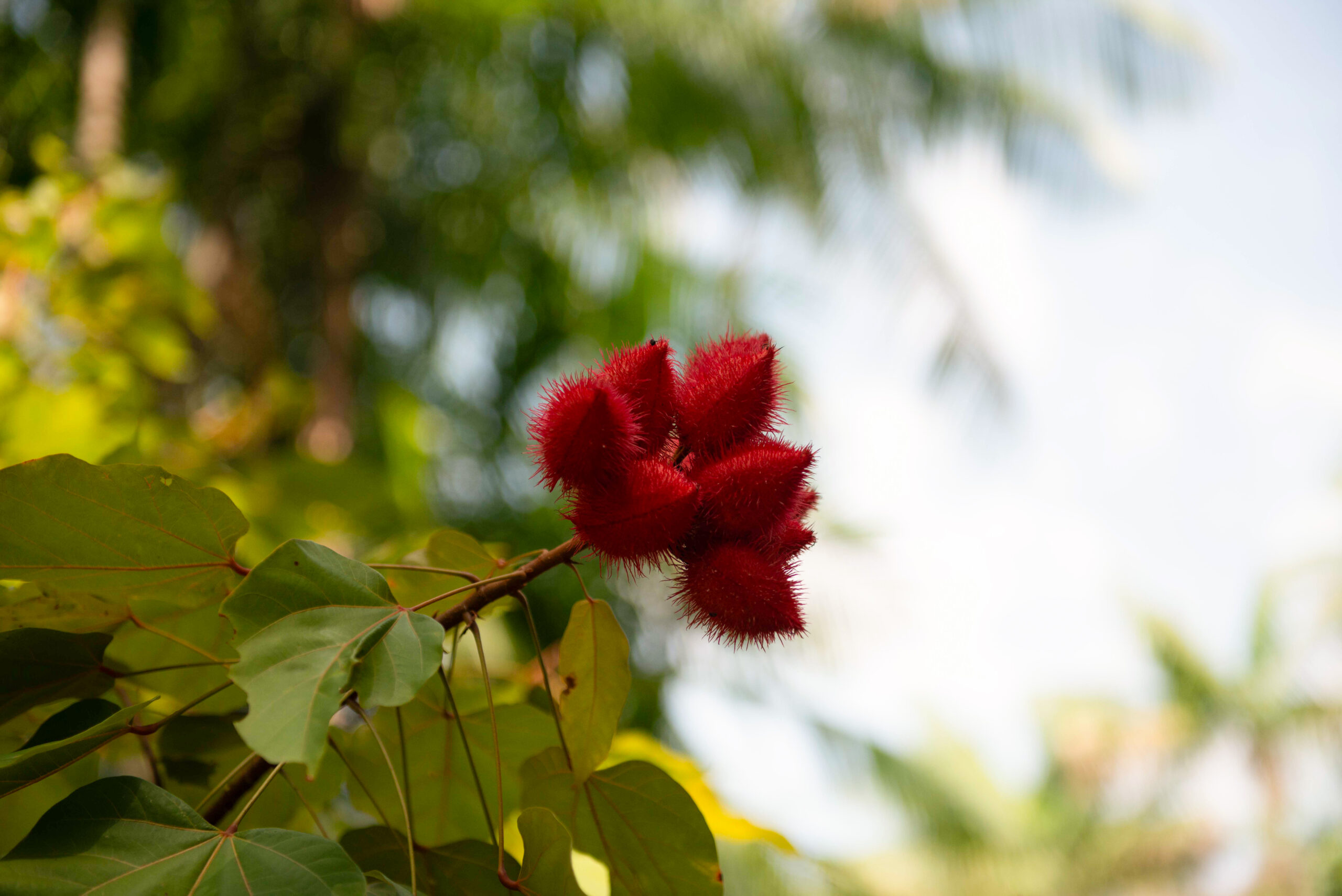
A plant in the Amazon forest in Parà, Brazil
This year, Brazil set an important precedent by announcing the most significant progress in Indigenous land demarcation in two decades. The government’s package covers more than 7 million hectares, including the full legal recognition of four Indigenous territories totaling about 2.4 million hectares. Ten additional territories—representing 285,000 hectares—had their boundaries formally declared, marking a crucial step toward full recognition. Another six territories, covering over 4 million hectares, advanced through key technical study and delimitation phases. In parallel, twelve new land titles were granted to Quilombola communities in Pará, reinforcing Afro-descendant land rights in the region.
Momentum extended far beyond Brazil. More than 35 philanthropic funders committed $1.8 billion over the next five years to strengthen community land and forest rights globally. Fifteen countries endorsed the International Land Tenure Commitment, pledging to recognize and protect 160 million hectares of Indigenous, Afro-descendant, and local community lands by 2030. The proposed Tropical Forest Forever Facility received nearly $7 billion in pledges—while reaffirming that at least 20% of funds will directly support Indigenous Peoples and local communities. Donors also announced a new $2.5 billion pledge dedicated to safeguarding the Congo Basin, one of the world’s most biodiverse and climate-critical forest regions.
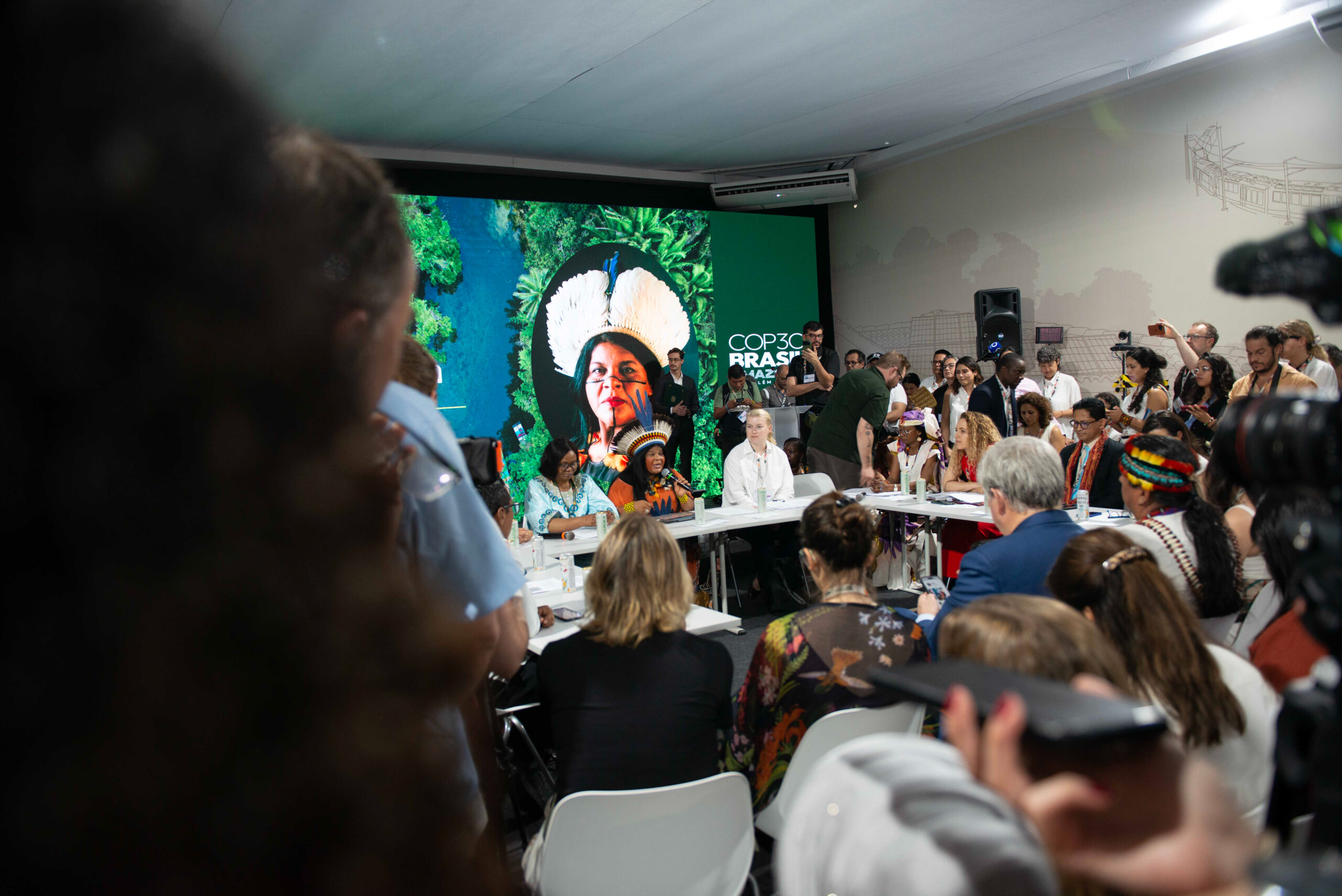
FCLP high level event on intergovernmental pledge - COP30
This COP also marked the largest presence of Indigenous delegates to date, whose leadership shaped dialogues across the conference venues in Belém. The Pre-COPs organised by Indigenous and Afro-descendant movements further strengthened strategic alignment and collaboration heading into COP30.
As our Executive Director, Nonette Royo reminded participants, “this movement is strong.” And while global leaders fell short of consensus on several key issues, communities continue to lead with determination on the ground.
Leaving COP30, partners and allies are committed to transforming these pledges into meaningful, lasting progress. The work ahead is clear: ensure that the rights of Indigenous Peoples, Afro-descendant Peoples, and local communities are recognised, implemented, and upheld—because the protection of forests and the future of the climate depend on it.
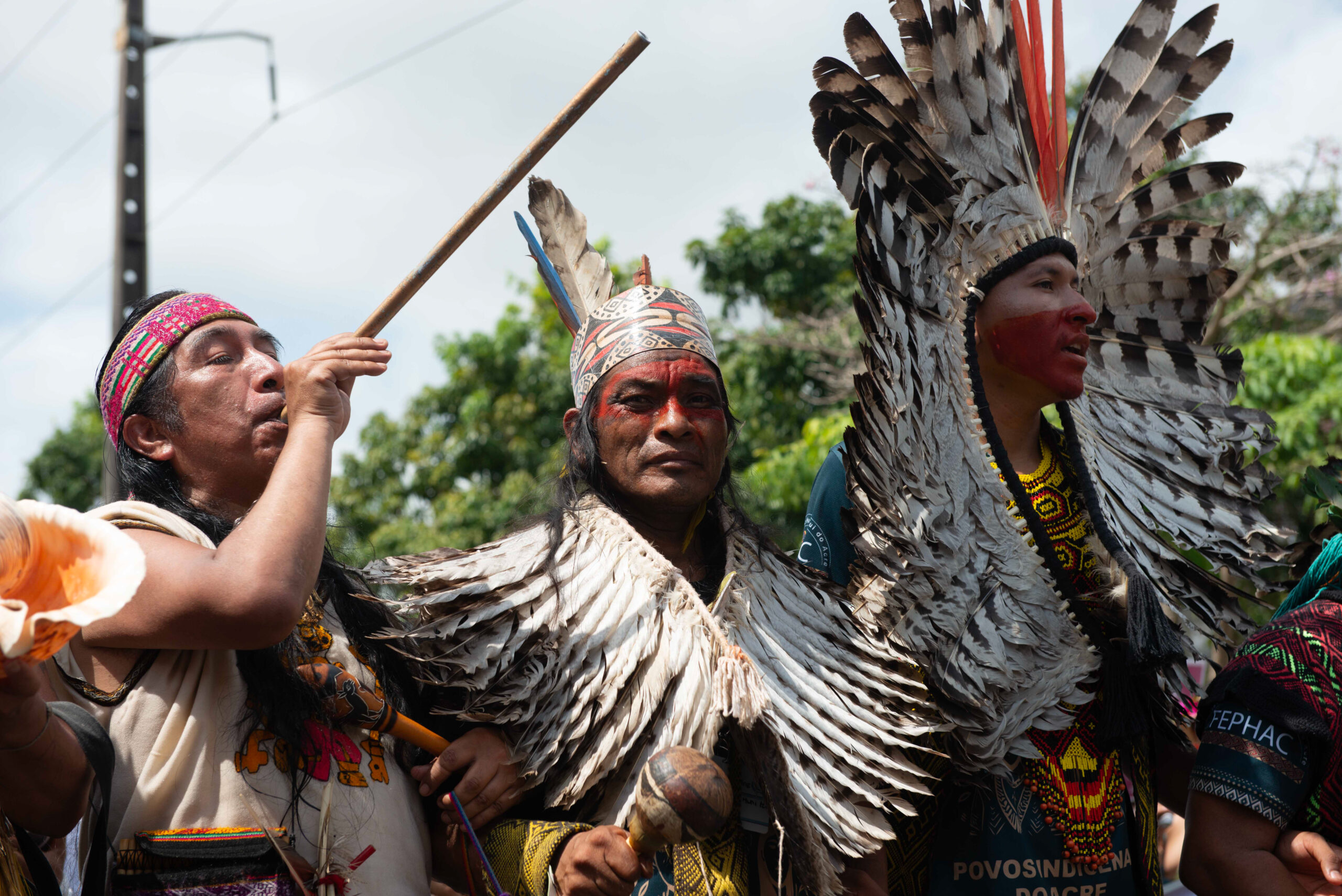
Indigenous Peoples marching at COP30
We continue to stand with the world’s true guardians of nature as they secure their lands and protect our collective future.
Articles