
2026-03-10
Over the past year, our development and communications team has been asking a simple question to Tenure Facility partners, community leaders, and families: What does land rights mean to you?
People answer in different ways.
Some say security.
Some say home.
Some say future.
Some simply say life.
And sometimes, people don’t answer with words at all.
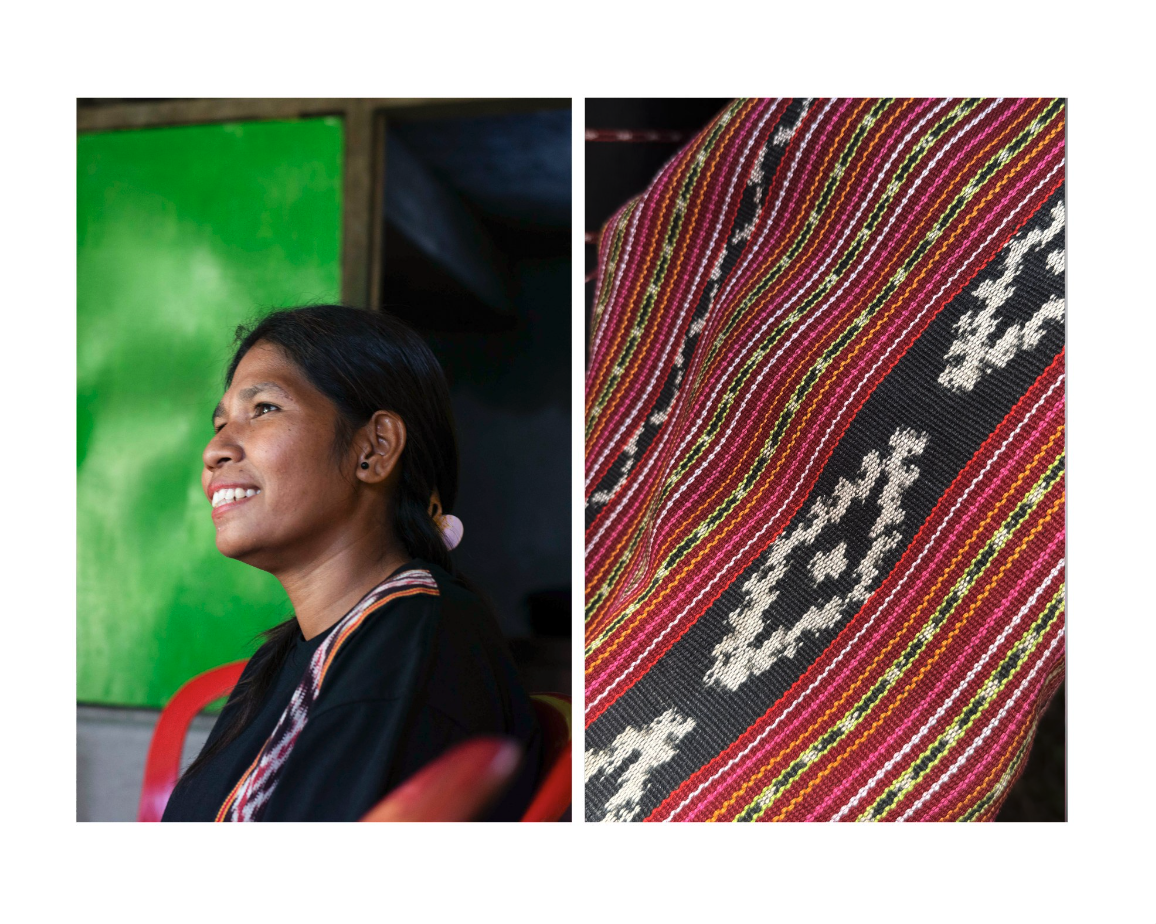
Maria in her hometown of Nangahale, East Nusa Tenggara, where she is part of one of the communities supported by KPA and AMAN.
This February, during Tenure Facility’s Asia Learning Exchange in Labuan Bajo, Indonesia, someone passed a phone across the table and played a short clip from a protest in East Nusa Tenggara, a province in the country’s eastern area. A woman climbs onto a bulldozer that has arrived to clear land. She bends down, picks up a handful of soil—and eats it.
That woman is Maria.
Her story is tied to a long-running land conflict in Sikka Regency, where Indigenous communities have been resisting the expansion of a coconut plantation developed by PT Krisrama, a church-owned company that claims it has legal rights to manage the land. Just last year, in January, the company evicted hundreds of Indigenous families from their ancestral homes and territory, but many have stood firm in their resistance. This disputed land claim is tangled up in colonial-era concessions and a history of church-supported plantations. Communities have faced intimidation and heavy criminalisation.
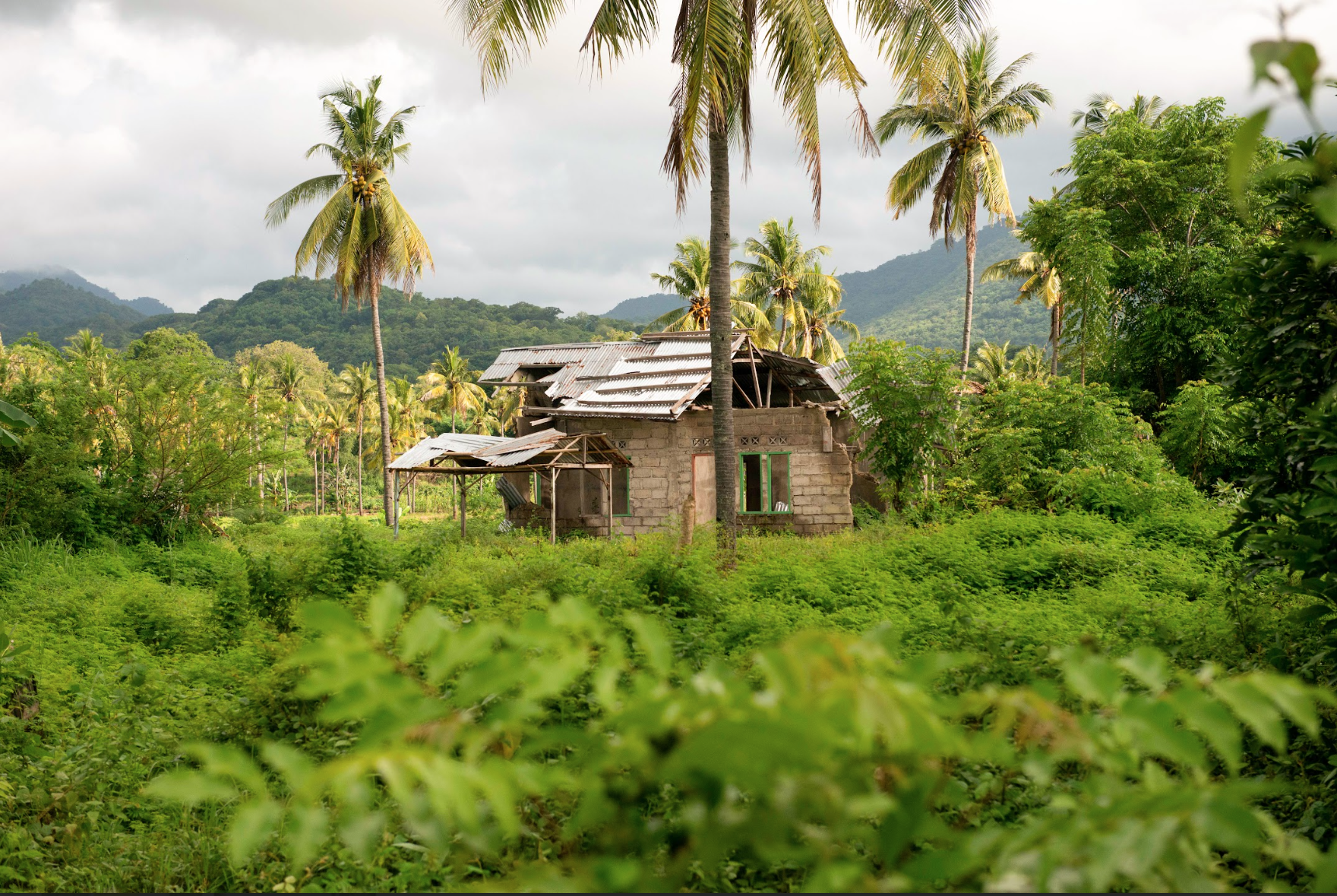
House of an AMAN-supported community member damaged by bulldozers during land clearing. The roof is broken and the family has been forced to leave.
Maria’s action travelled widely online—but what stayed with us wasn’t the “virality.” It was the meaning of the gesture.
By lifting the soil to her mouth, Maria made a powerful point: for Indigenous communities, land is not simply a resource to be negotiated over. It is part of who they are—the source of life, food, and identity.
This learning exchange was titled “When Women Lead the Way in Sustaining the Land Tenure Movement.” Around 65 representatives from 16 organisations across Indonesia, India, Nepal, and Burma gathered to listen, learn, and coordinate about what it takes to sustain land rights over time.
This year, the exchange focused specifically on women’s leadership—including dedicating time for women community leaders to share their experiences directly.
Women community leaders were in the room, sharing their own experiences of organising, negotiating, and sustaining their communities’ struggles over time. The tone shifts when the people doing the work are the ones telling the story. What might otherwise be described as “cases” becomes something else: lived experiences full of choices, trade-offs, risks, and strategies.
"Women don’t need to be empowered. We need the space."
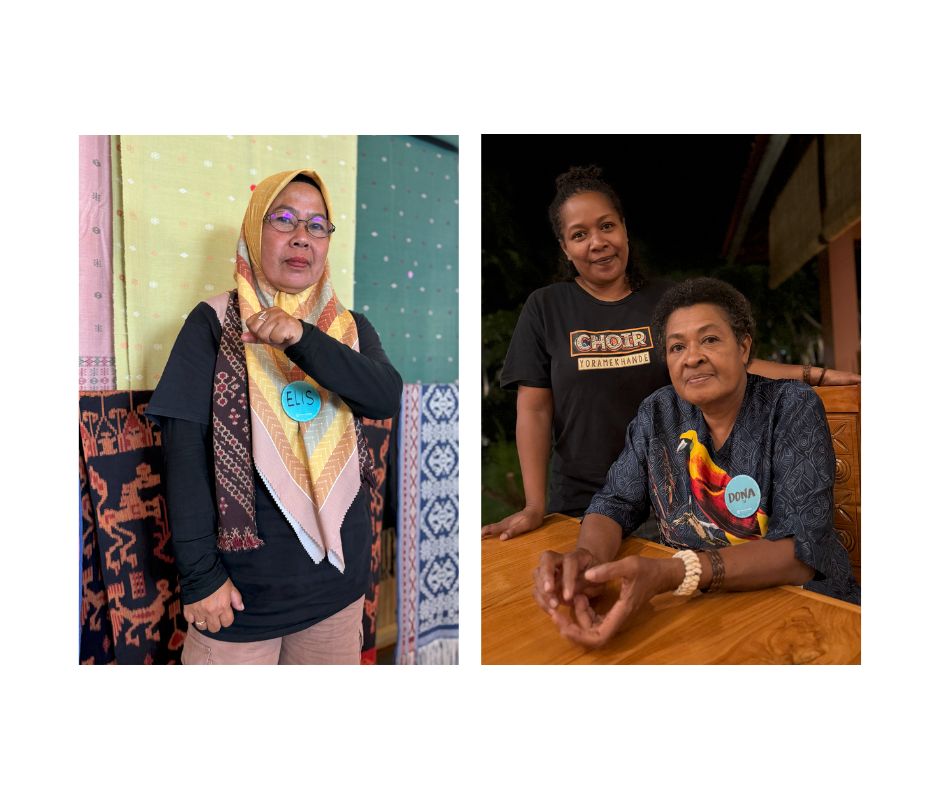
From left: Elis, Belinda, and Dona, participants at the 2026 Asia Learning Exchange.
During the week, one participant remarked: “Women don’t need to be empowered. We need the space.” By “space,” she meant the opportunity to organise, participate in decision-making, and lead the processes shaping community land governance.
Throughout our conversations over the past year, including at the learning exchange, three lessons kept resurfacing—not as slogans but as repeated truths across countries, sectors, and generations.
1) Sustaining land rights goes beyond legal efforts—it is about improving the economic realities that allow communities to organise and persist over time.
We heard this across sessions at the learning exchange: if obtaining formal recognition of customary lands takes years (even decades), communities still need to eat, study, farm, sell, heal, and plan in the meantime.
That’s why women’s leadership kept appearing not only in protests and negotiations but also in the specific, knowledge-based everyday work that sustains movements: cooperatives, household economies, food systems, community savings, value chains, mutual aid.
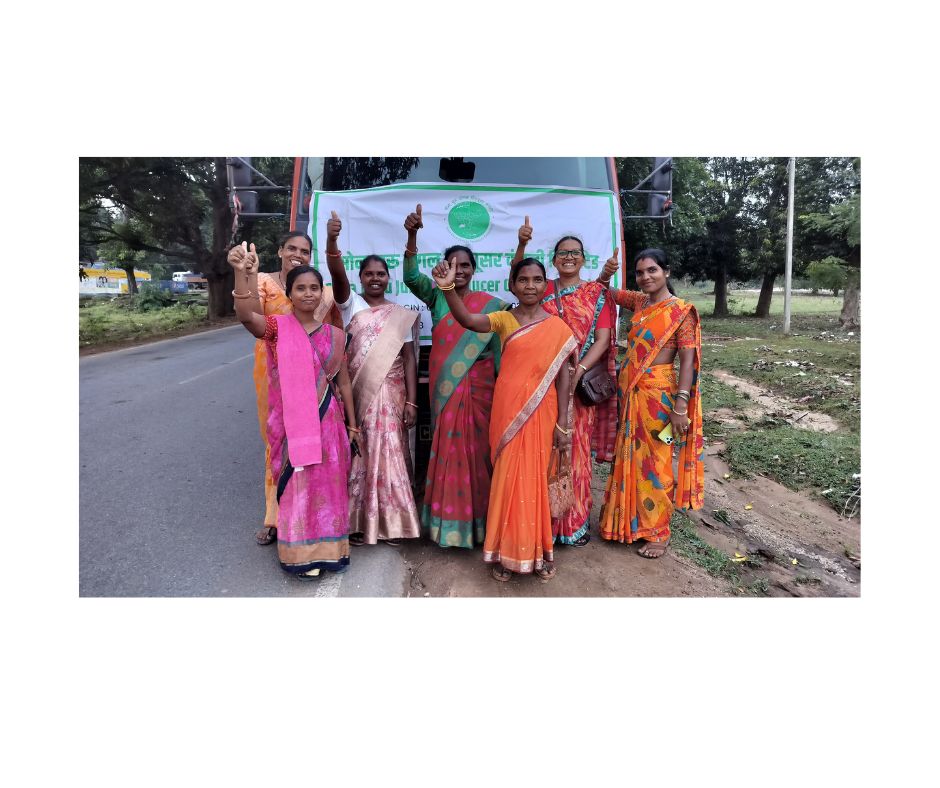
Women of Simdega, India
India gave us one of the clearest examples. With support from Tenure Facility partner the Indian School of Business, women community leaders have organised cooperatives to process and sell sal products nationally without intermediaries. Women shifted from being “primary collectors” to becoming organised market actors—negotiating prices with major companies, building collective power, and keeping value in the community. Though entrepreneurship is often used as a buzzword, here the point was dignity and leverage.
Meanwhile, in Nepal, Tenure Facility partner Green Foundation Nepal has supported the Tulsi Food Industry, a cooperative model run by 16 women entrepreneurs in the district of Dang. The initiative is led by Tulsi Bhusal, one of the district’s most prominent women entrepreneurs and a participant in the Asia Learning Exchange. By drawing on traditional knowledge and transforming locally grown crops and traditional recipes into packaged, market-ready products such as spices and herbal goods, the cooperative has connected smallholder producers to new buyers while strengthening local incomes. In a context where women often face social, financial, and institutional barriers to entrepreneurship, the enterprise shows how community knowledge and local resources can be turned into a sustainable economic model that supports communities as land recognition processes move forward.
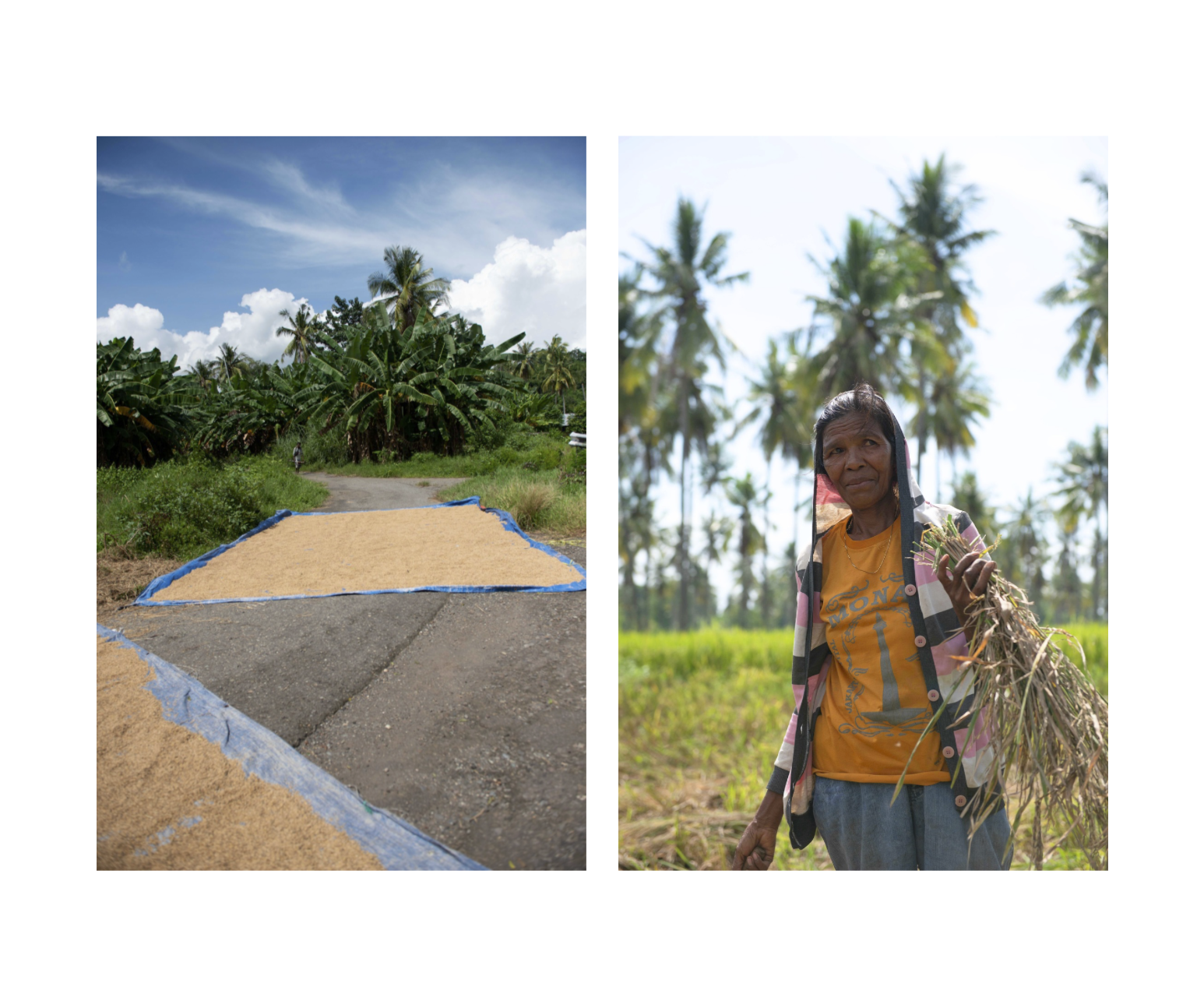
Nangahale, East Nusa Tenggara. Left: harvested crops drying along the road. Right: a community member supported by KPA and AMAN working the land.
And in Indonesia, this “sustain while you struggle” logic is exactly what Tenure Facility partners such as the Consortium for Agrarian Reform (KPA) are formalising through transformative agrarian reform villages, known as DAMARA. Through this bottom-up approach, communities strengthen governance and build local economies while advancing their land claims, which can be a slow process.
2) Mapping turns community knowledge into recognised evidence.
This lesson came up constantly, and Tenure Facility’s long-term partner the Indigenous Peoples’ Alliance of the Archipelago (AMAN) articulated it clearly: Mapping is not just about drawing borders. Done well, maps are living documents that capture community history, ritual spaces, springs and water sources, areas of use, community rules—and they serve as the proof communities need when submitting land claims to institutions that only accept paper.
“If your land doesn’t exist on paper, it becomes easier for it to be taken,” said Feri Nuri Octaviani, AMAN’s director of economic empowerment and resource management.
Organisations such as the Ancestral Domain Registration Agency (BRWA) also play a key role in supporting communities to document their territories and turn local knowledge into spatial data that supports formal land recognition processes.
“Through mapping, Indigenous communities can document their territory, their history, and their governance,” said Kasmita Widodo, head of BRWA. “It becomes evidence that their land exists—not just in memory, but in a form institutions recognise.”
"If your land doesn’t exist on paper, it becomes easier for it to be taken."
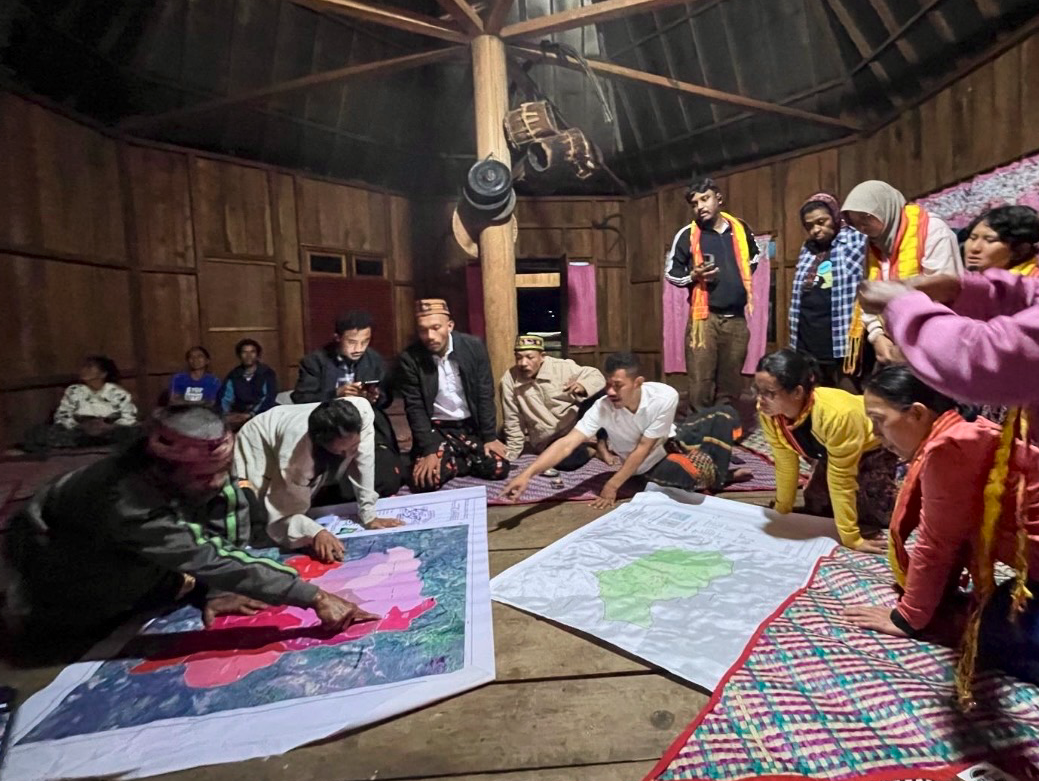
During the Colol community visit in East Nusa Tenggara, Indonesia, part of the Asia Learning Exchange, community leaders supported by KPA showed and discussed maps developed through participatory mapping.
AMAN described participatory mapping in practical terms: communities do the groundwork, and partners support them to address any additional needs or strengthen capacities (e.g. by providing training on GPS, digitisation, or geographic information systems). But the deeper point is what happens socially. Mapping requires collective agreement—a process that strengthens identity and internal governance.
Crucially, AMAN doesn’t frame including women and youth as a tick-the-box activity. Ensuring their equitable participation improves long-term outcomes:
3) Strong land stewardship helps communities protect ecosystems and withstand climate impacts.
One of the strongest insights emerging from the exchange and reinforced during the community visits was how closely land governance, environmental stewardship, and climate resilience are connected.
Land rights go beyond a legal process. They must be put into practice by caring for the land and managing it over time.
Some participants of the learning exchange travelled to Komodo Island, where community members described living within the rules of a national park and a tourism economy that grew around them. Komodo’s story wasn’t “anti-conservation.” It was a question of fairness and agency.
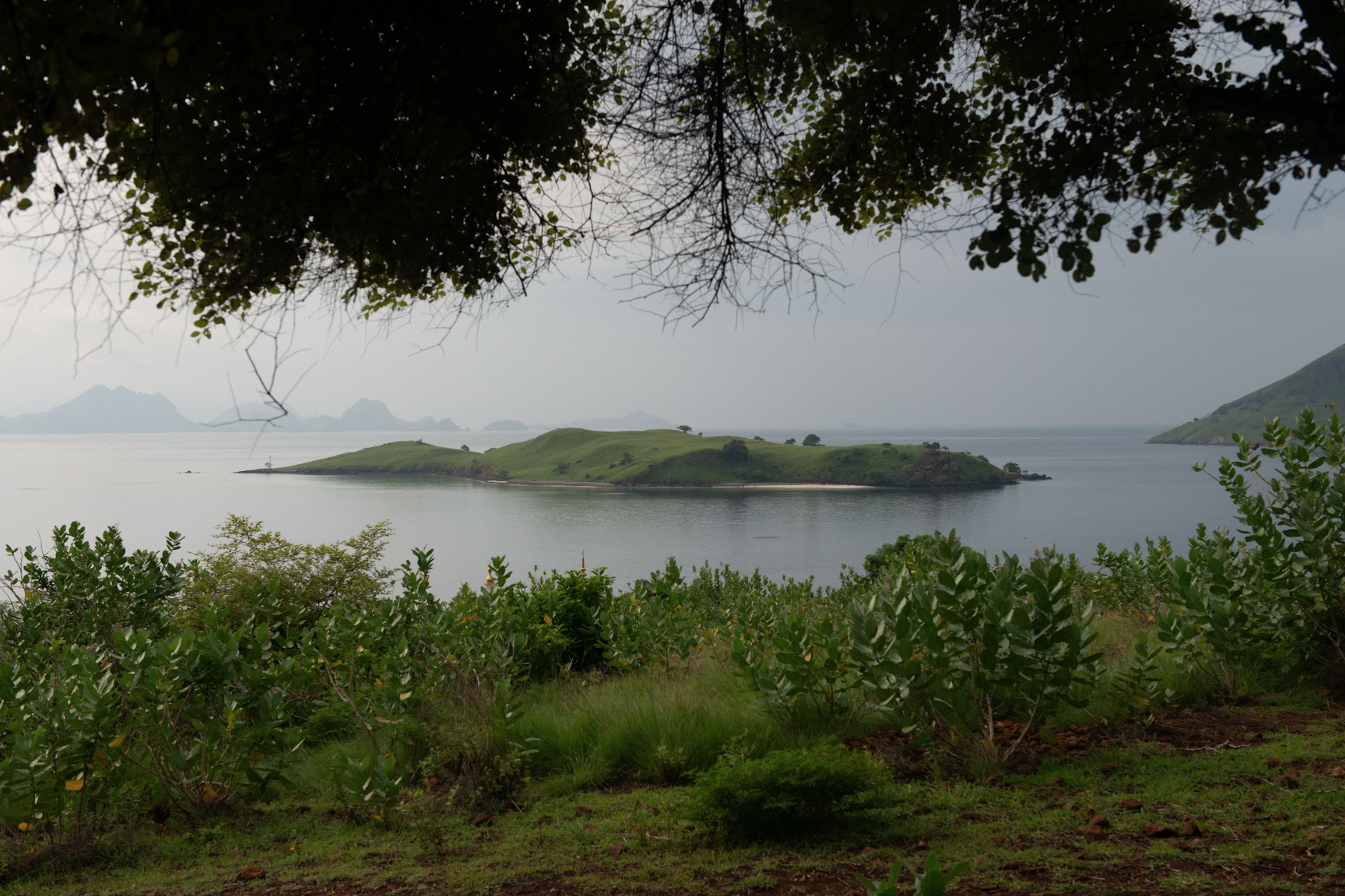
Komodo Island, East Nusa Tenggara, Indonesia
One young leader asked, bluntly: “Why do we have to ask to be recognised on land where we have always lived?”
Women spoke about livelihoods shifting away from fishing and small-scale agriculture towards tourism—sometimes by necessity more than choice. Youth groups described documenting history and organising their community around a shared identity. KPA’s accompaniment—including mapping—showed up here not as a single activity, but as a pathway: with evidence and organisation, communities have greater negotiation power.
Stepping back, KPA clearly connects land governance and climate resilience. In its analysis, ecological disasters such as floods and landslides are often the visible outcome of deeper pressures on land and natural resources. The organisation’s 2025 annual report cites these disasters in parts of Sumatra and reflects on how they can emerge when landscapes are under prolonged strain—including from unresolved land conflicts and unsustainable land use. This perspective highlights how land rights and climate resilience are closely linked.
So, what did the learning exchange really “teach”?
One of the most strategic actions for the tenure movement is to recognise women’s leadership as a key part of the infrastructure that allows land and forest tenure security to advance and endure.
Maria’s handful of soil is one end of that spectrum—courageous, visible, and unforgettable.
But the rest of the week reminded us that women’s leadership also looks like:
These are the strong, daily forms of leadership that sustain territories over time. They also connect directly to the broader goals many countries, including Indonesia, are pursuing. At COP 30, Indonesia committed to accelerating the recognition of 1.4 million hectares of Indigenous and community lands—four times the amount previously committed—as part of its climate and forest agenda, acknowledging that secure land tenure plays an important role in protecting forests and sustaining biodiversity.
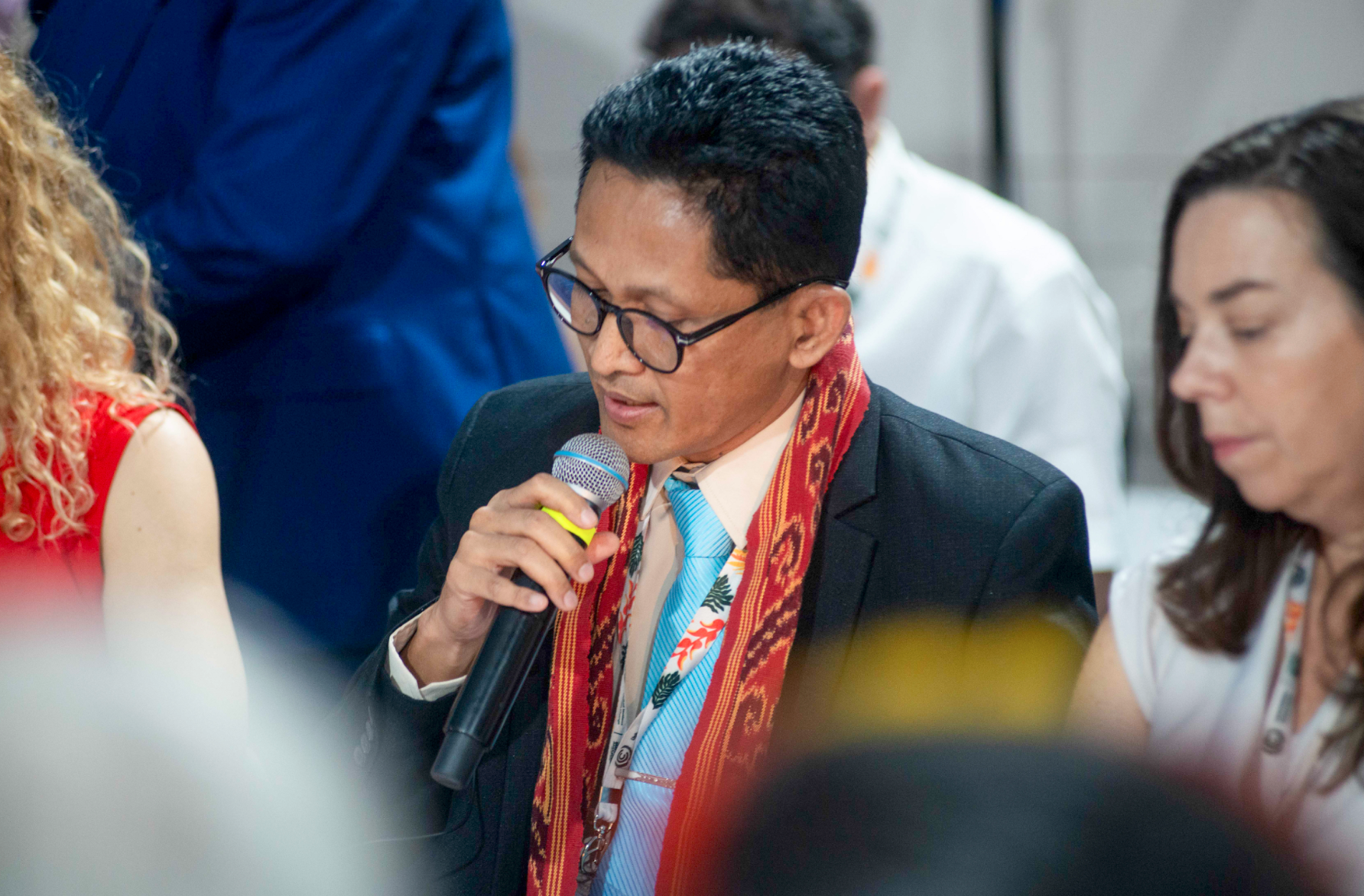
Julmansyah, S.Hut., M.A.P, Director of Tenure Conflict Resolution and Customary Forests
And Tenure Facility has a clear role here as a funder and movement catalyst—working alongside partners and institutions to advance tenure security and governance through flexible funding, long-term accompaniment, and support for tools and training. We trust our partners, funding them to drive change that lasts. For supporters of this work, the lesson is clear: sustaining these movements requires commitment, resources, and confidence in the leadership of Indigenous Peoples and local communities.
Because when women lead land governance, communities don’t only defend their territories.
They plan.
They invest.
They build futures that stay rooted in their territories—even while the paperwork catches up. And with the right recognition and support, those territories become the foundation for stronger communities, healthier ecosystems, and lasting climate resilience.
Articles