
Exploring our connection with communities and the Earth

Secure land tenure is the bedrock of indigenous resilience. With the support of Tenure Facility, Indigenous Peoples and other communities can not only assert their territorial claims but also weave their traditions of collective stewardship into the fabric of the law.

That’s just one of the messages from Nonette Royo, Tenure Facility’s executive director, as she explained our work and mission on TED’s “How to Be a Better Human” podcast.

“What’s important is that we depend on each other,” she said. “Where the Indigenous Peoples are is where nature is most intact and is providing a very unique and integrated ecosystem for the cities, the towns, and the water systems.”
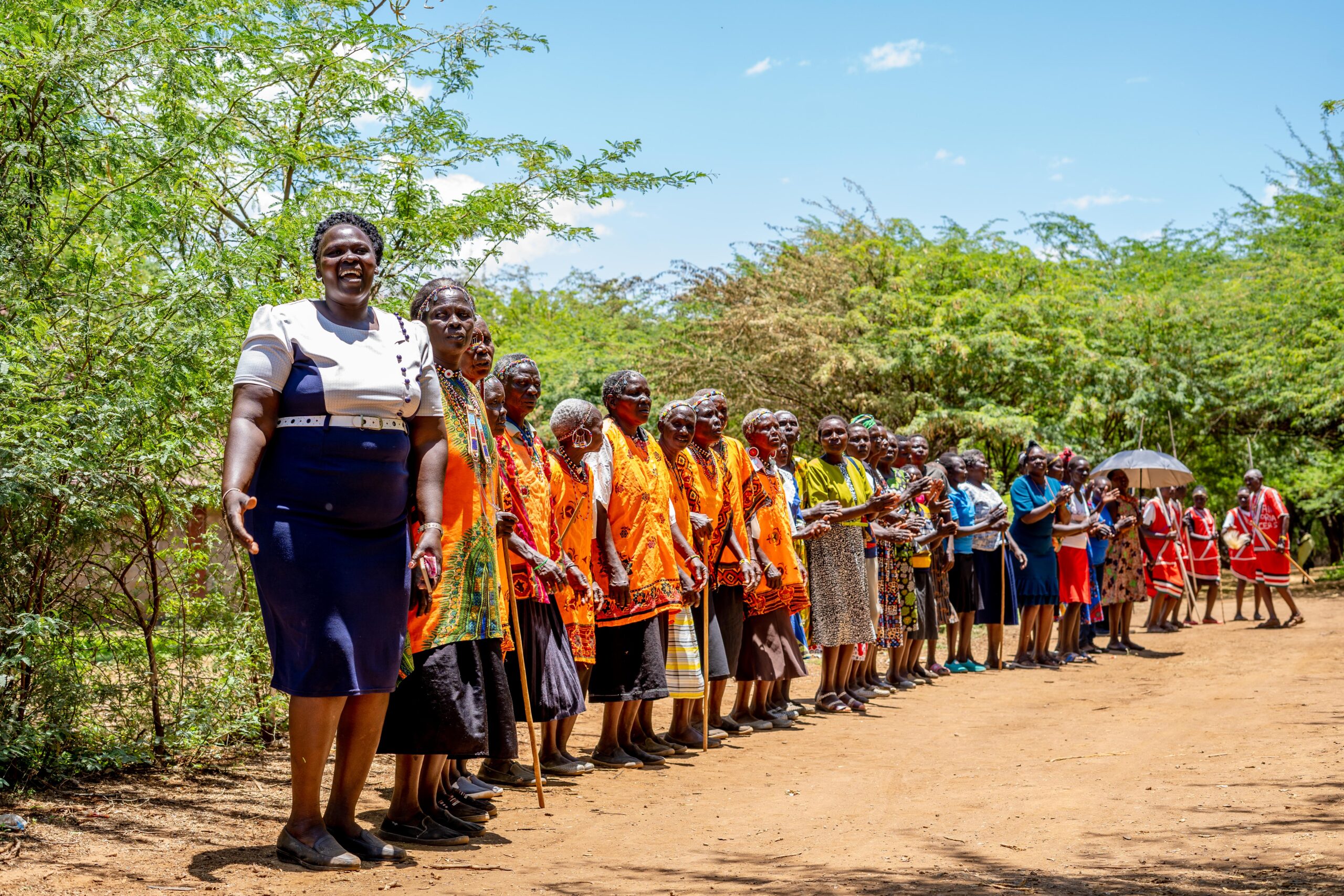
She also stressed that our funding isn’t just about protecting land; it’s about safeguarding our future. Research shows that with recognised and respected land rights, deforestation rates plummet, underscoring the vital role of land tenure in preserving our forests amidst the challenges of climate change.

Royo talked about how listening, consulting, and collaborating with various communities are central to Tenure Facility projects.

“The fact that there’s a space where they can share who they are as a people in a safer way is so important in the growing of these different sort of communities,” she said.

Articles

17 August 2026

Cameroon

The land beneath their feet: Bagyeli communities’ journey towards recognition and security of their land and forest rights

In the Ocean Department of southern Cameroon, roads wind through dense forests, long stretches of red laterite tracks, major development projects — including mining and agro-industry — and industrial plantations that seem to expand a little further each year, gradually reducing the living space available to communities.

04 August 2026

Blogs

Pourquoi les droits fonciers ne peuvent pas attendre la paix

Et si attendre la paix était l’un des plus grands obstacles à la sécurisation des droits fonciers ? Pendant des décennies, la gouvernance foncière a été largement considérée comme un élément de la reconstruction post-conflit. L’hypothèse était simple : le conflit prend fin, les institutions se redressent, les populations rentrent chez elles, et ce n’est qu’alors que les droits fonciers peuvent être rétablis. Dans de nombreuses régions du monde, cependant, cette séquence ne correspond pas à la réalité. Les conflits sont souvent prolongés, les institutions peuvent être affaiblies ou inexistantes, et les registres fonciers officiels ont parfois disparu. Pourtant, les communautés continuent de cultiver leurs terres, de gérer les forêts, de résoudre les différends et de défendre leurs territoires en s’appuyant sur les systèmes de gouvernance qui restent à leur disposition.

23 July 2026

Blogs

Why land rights can't wait for peace

What if waiting for peace is one of the biggest obstacles to securing land rights? For decades, land governance has largely been treated as part of post-conflict recovery. The assumption has been straightforward: conflict ends, institutions recover, people return home, and only then can land rights be restored. In many parts of the world, however, that sequence does not reflect reality. Conflict is often prolonged, institutions may be weakened or absent, and official land records may have disappeared. Yet communities continue farming, managing forests, resolving disputes, and defending their territories using the governance systems still available to them.