
2023-11-23
The annual UN climate conference that starts November 30th will be a chance to scrutinise global climate action so far as well as discuss what more can be done to help indigenous communities.
Find a list of Tenure Facility events at COP28 here.
What is COP28?
COP28 is the 28th session of the Conference of the Parties to the United Nations Framework Convention on Climate Change – an annual global summit for nations that have signed the UN agreement promising to address human-induced climate change and its effects.
Tens of thousands of delegates – including heads of state, members of civil society and the media – will gather at the end of the month in the host city of Dubai, United Arab Emirates (UAE). There, negotiators will assess whether the world is on track to meet its climate targets as well as possibly hammer out new political deals to further combat global warming.
Why is COP28 important to Indigenous Peoples and territorial communities?
The world is increasingly understanding that Indigenous Peoples and local communities are at the forefront of protecting biodiversity and mitigating climate change. Therefore, it is important that global leaders pay more attention to Indigenous Peoples’ land rights.
At COP26, Indigenous Peoples representatives had a seat at the table for the first time in the COP process. The meeting also saw several governments join some of the world’s leading philanthropists in committing US$1.7 billion over five years to support land tenure rights for indigenous communities. These ground-breaking developments have helped shed light on the key contributions that indigenous communities make to conservation and protecting some of the world’s most vibrant ecosystems.
On top of that, the climate crisis also unduly affects many indigenous communities, posing a serious risk to their ways of life, health and food security.
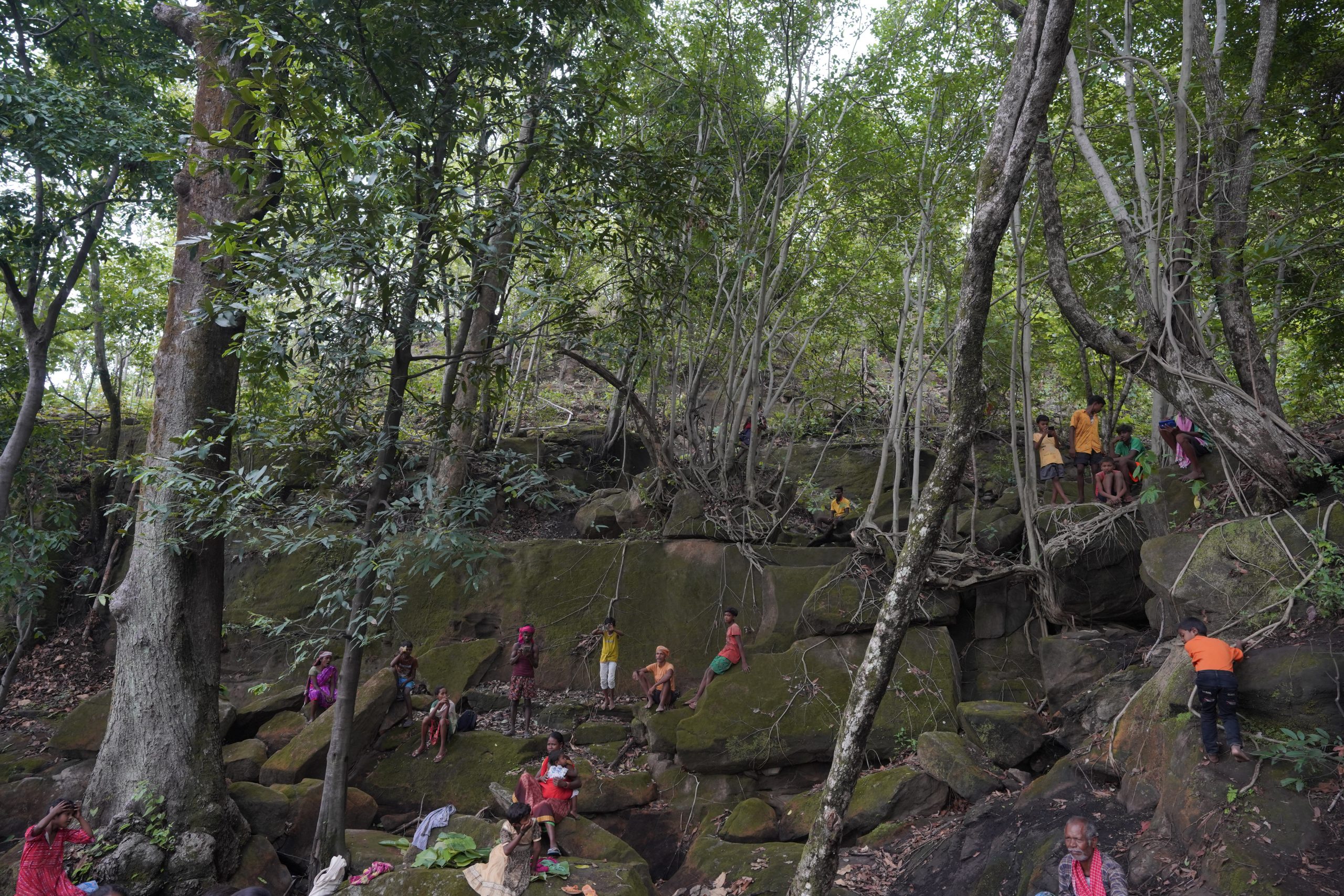
What do indigenous rights have to do with combatting climate change?
There has been a groundswell of studies showing that Indigenous Peoples and local communities are front-line defenders of the world’s biodiversity, as well as leaders in sound conservation practices. In 2023 alone, more than 20 academic and scientific studies have highlighted the importance Indigenous Peoples and local communities have in protecting the planet’s biodiversity and hedging the impact of climate change.
As the stewards of some 80% of the world’s biodiversity, indigenous communities know how to protect the forests, mangroves and other vital ecosystems that help keep carbon sequestered. The communities’ knowledge is not only rooted in generations of experience of living with and protecting their natural habitats, but in the traditions that respect this relationship. This climate mitigation is enhanced when tenure rights are formally recognised and safeguarded.
What can be done to help indigenous communities?
First, their rights to their ancestral lands need to be recognised, respected and enforced. Indigenous Peoples and local communities live on and are the guardians of about half of the world’s territories, yet governments recognise only around 10% of their ownership of these lands. Threats to traditional territorial rights are growing along with the demand for minerals, commercial agriculture and logging.
Secondly, they need longer-term funding to defend their rights and proud traditions against more powerful influences, and to make their own communities more sustainable. It is important to remember that while indigenous communities do much to halt climate change, they are often among the first to face its dire consequences. The devastating droughts that have affected the Amazon region in recent weeks are just one example.
Thirdly, a meaningful dialogue with Indigenous Peoples and traditional communities needs to happen at the regional, national and international levels. There is much to learn from those who know best how to conserve some of our planet’s greatest natural treasures.
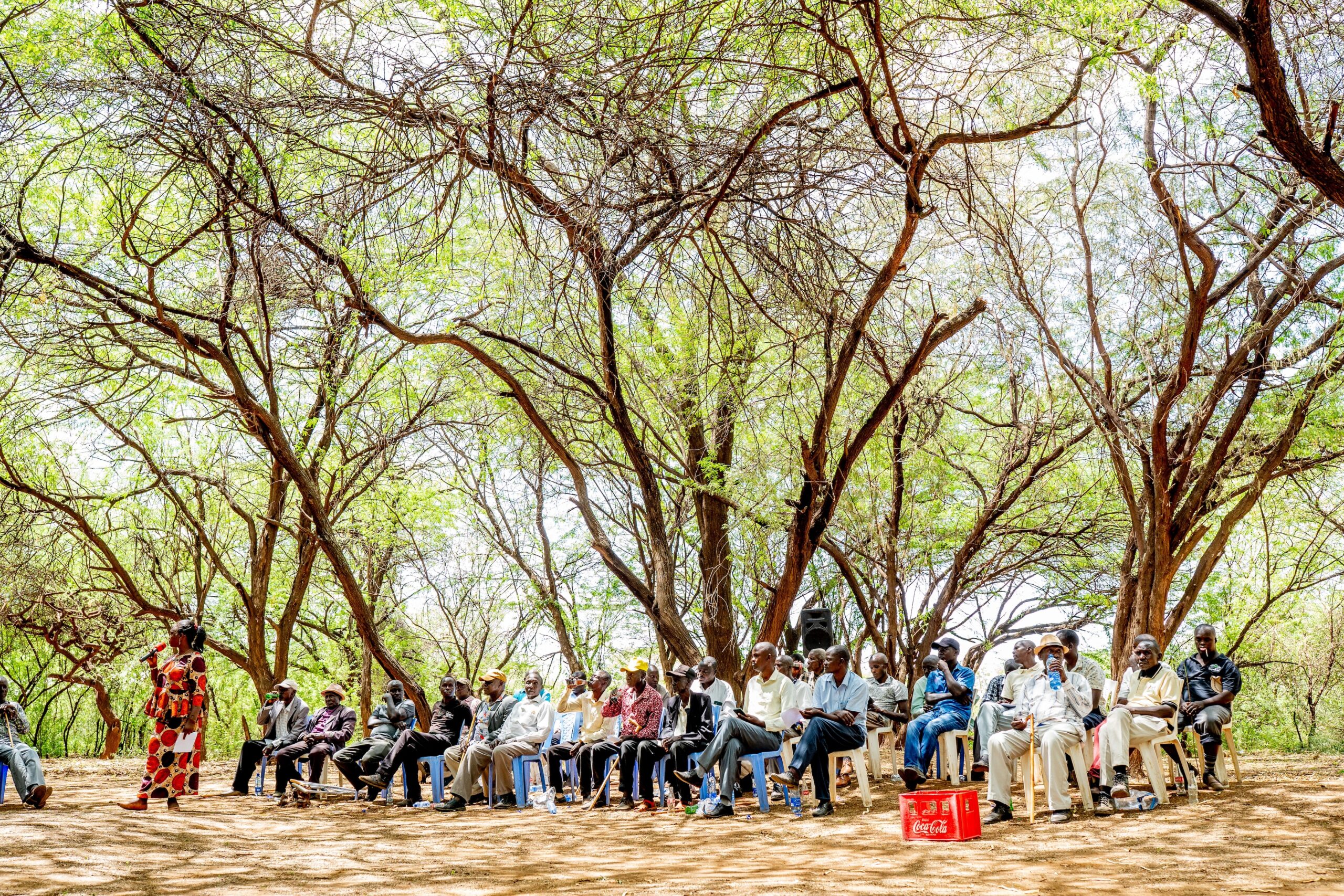
Can COP28 make a difference?
COP28 is taking place in a major oil-producing country, the UAE, at a time when pressures on tropical forests and other natural ecosystems are under growing pressure from extractive industries. This is why is so important for Indigenous Peoples and local communities to be heard, understood and respected. It is important for indigenous organisations, their allies and partners be present at events like COP28 to ensure that their voices are heard loud and clear, and to demonstrate that they offer meaningful solutions to the climate crisis.
Is Tenure Facility participating in COP28?
We are sending a four-person team to the summit to make sure support for indigenous communities is at the core of the discussions. Leaders have acknowledged the outsized role these communities have in protecting the planet but sadly many still fall short of their firm commitments.
To maximise our impact at COP28, Tenure Facility is partnering with various other organisations that are active in land rights as well as supporting indigenous-led groups attending the summit.
What happens if COP28 fails to deliver commitments to Indigenous Peoples and local communities, as well as more ambitious policies to tackle climate change?
The COP process can play an important role in supporting these communities, but they cannot wait for policymakers to take the lead. Already, new indigenous-led funds are gearing up to protect rights and support conservation in the Amazon and other threatened areas. They are partnering with donors and philanthropists who are committed to longer-term action to a longer-term vision. Indigenous Peoples and local communities have been struggling for generations to conserve their land and preserve their rights. No roadmap to save the planet is complete without their guidance.
Articles