
2026-09-23
What supporting KPA makes possible in Indonesia
In February 2026, during Tenure Facility’s Asia Learning Exchange in Labuan Bajo, Indonesia, a phone was passed across the table. On it was a short clip from a protest in East Nusa Tenggara.
In the video, a woman climbs onto a bulldozer sent to clear land and homes. She bends down, picks up a handful of soil, and eats it.
That woman is Maria Lensiana Ledu.
Her story is tied to a long-running land conflict in Sikka Regency, where Indigenous communities have been resisting the expansion of a coconut plantation operated by PT Krisrama, a church-owned company claiming legal rights over the Sikka area. In January 2025, hundreds of families were evicted. But many have chosen to stay despite the numerous threats.
The dispute runs deep, shaped by colonial-era concessions and a long history of church-supported plantation control. Communities defending their territories have faced widespread intimidation and criminalisation.
The video of Maria quickly spread online. What made it so powerful was the gesture itself. By lifting the soil to her mouth, she made something clear: for Indigenous communities, land is not a resource to be negotiated. It is life, food, and identity.
“We don’t want to be rich. We want to work the land so we can live.”
Maria’s story is one moment within a much larger picture.
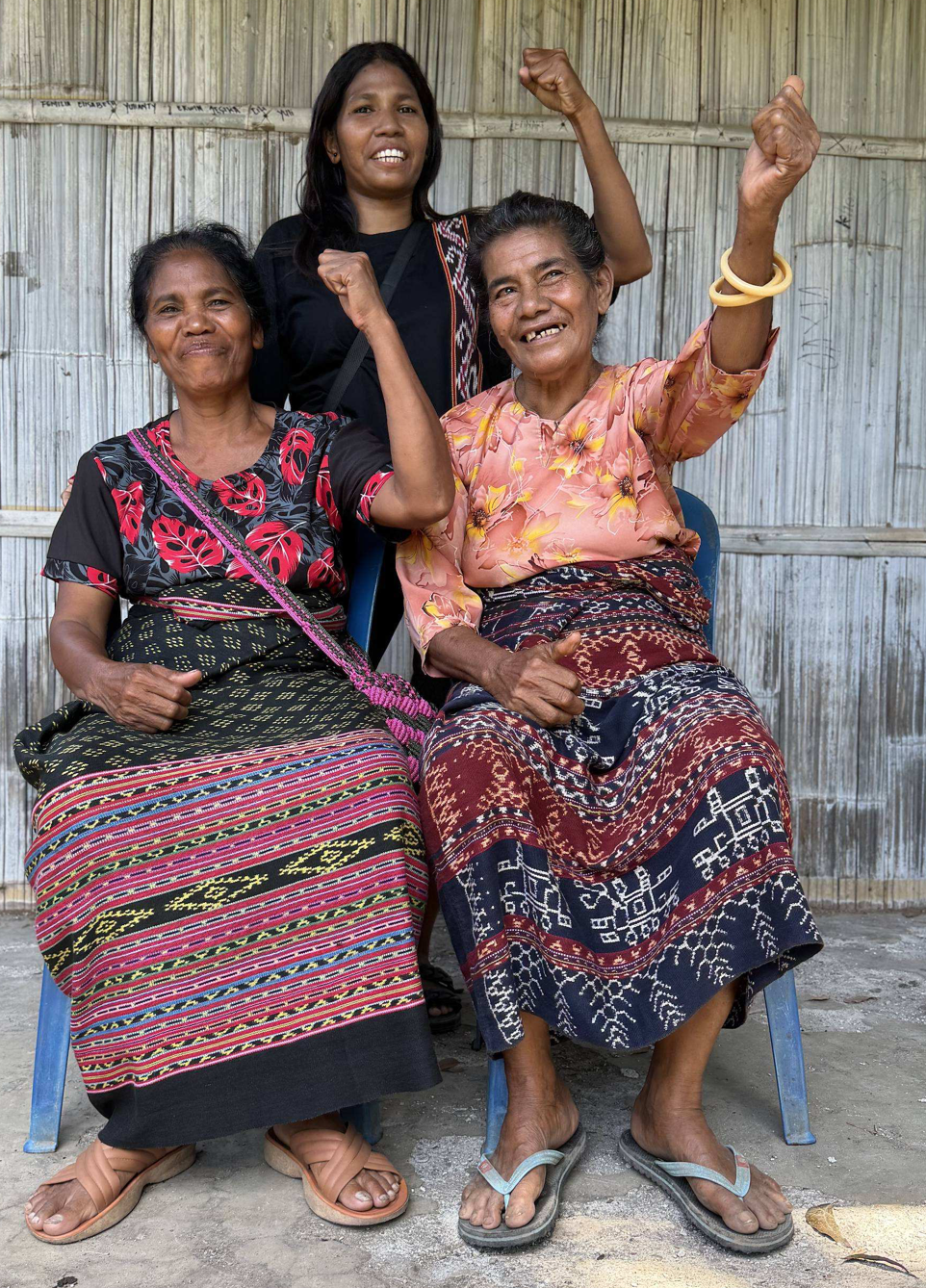
Maria and two community members in Nanghale
Across Indonesia, communities must grapple with government-issued concessions that overlap with their customary lands, unresolved land conflicts, and long delays in securing land titles. Navigating this landscape takes organisation, documentation, negotiation with government institutions, and, often, years of persistence. Communities’ efforts are frequently supported by grassroots organisations that accompany communities over time.
This is where the Consortium for Agrarian Reform (KPA) comes in. As Indonesia’s largest grassroots agrarian reform network, KPA brings together peasants’ unions, Indigenous organisations, fisher groups, and civil society actors. Together with its member organisations, KPA supports communities as they organise to protect their rights to their territories.
And KPA’s work goes further, extending to something equally important: helping communities build strong systems of governance, production, and cooperation around the land they depend on.
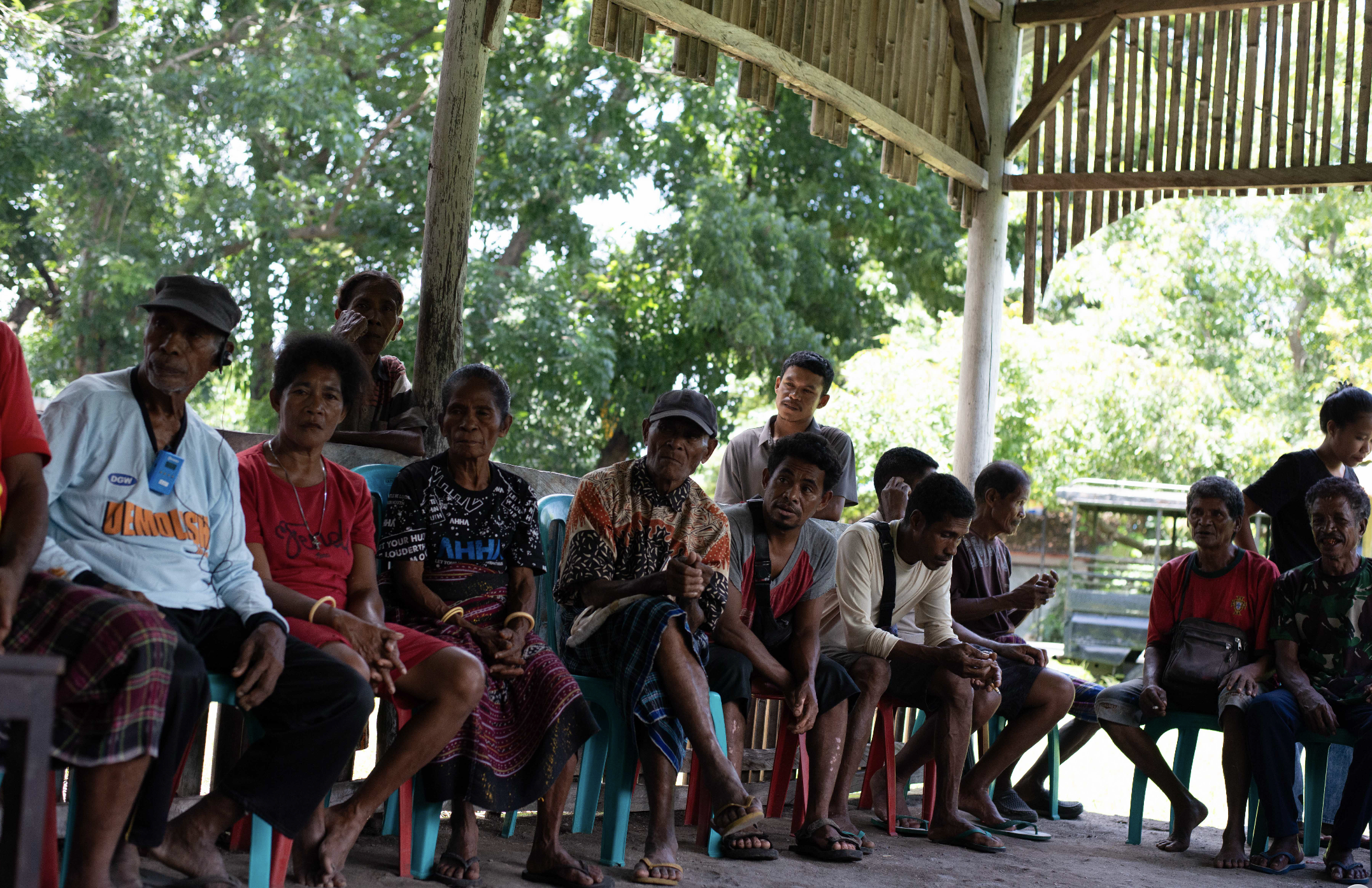
Community meeting in Nanghale
Securing land rights can take years or even decades. Communities document their land, organise collectively, and engage with government institutions long before recognition is achieved.
Legal recognition matters because it forms the basis for communities’ ability to defend territory, steward it, and live according to their own priorities. But a land title is not the endpoint.
What happens alongside that process, and after, is just as critical. Communities must decide how their lands are governed, how production is organised, and how benefits are shared across households and generations. In other words, even as they pursue recognition of their customary land rights and work to resolve land-related conflicts, they continue farming, managing forests, strengthening institutions, and building local economies.
KPA’s approach reflects this reality. Alongside advocacy, mapping, conflict resolution, and training, it supports local governance, economic cooperation, and ecological stewardship so that recognition translates into something that holds in practice.
One way this takes shape is through DAMARA.
DAMARA (Desa Maju Reforma Agraria), often translated as “transformative agrarian reform villages,” is a community-driven approach to agrarian reform.
It focuses on what happens alongside and after legal recognition, such as:
In practice, DAMARA supports communities in deciding how land is used and how benefits circulate locally. Its form varies from place to place because it is meant to remain flexible, catering to local needs and priorities.
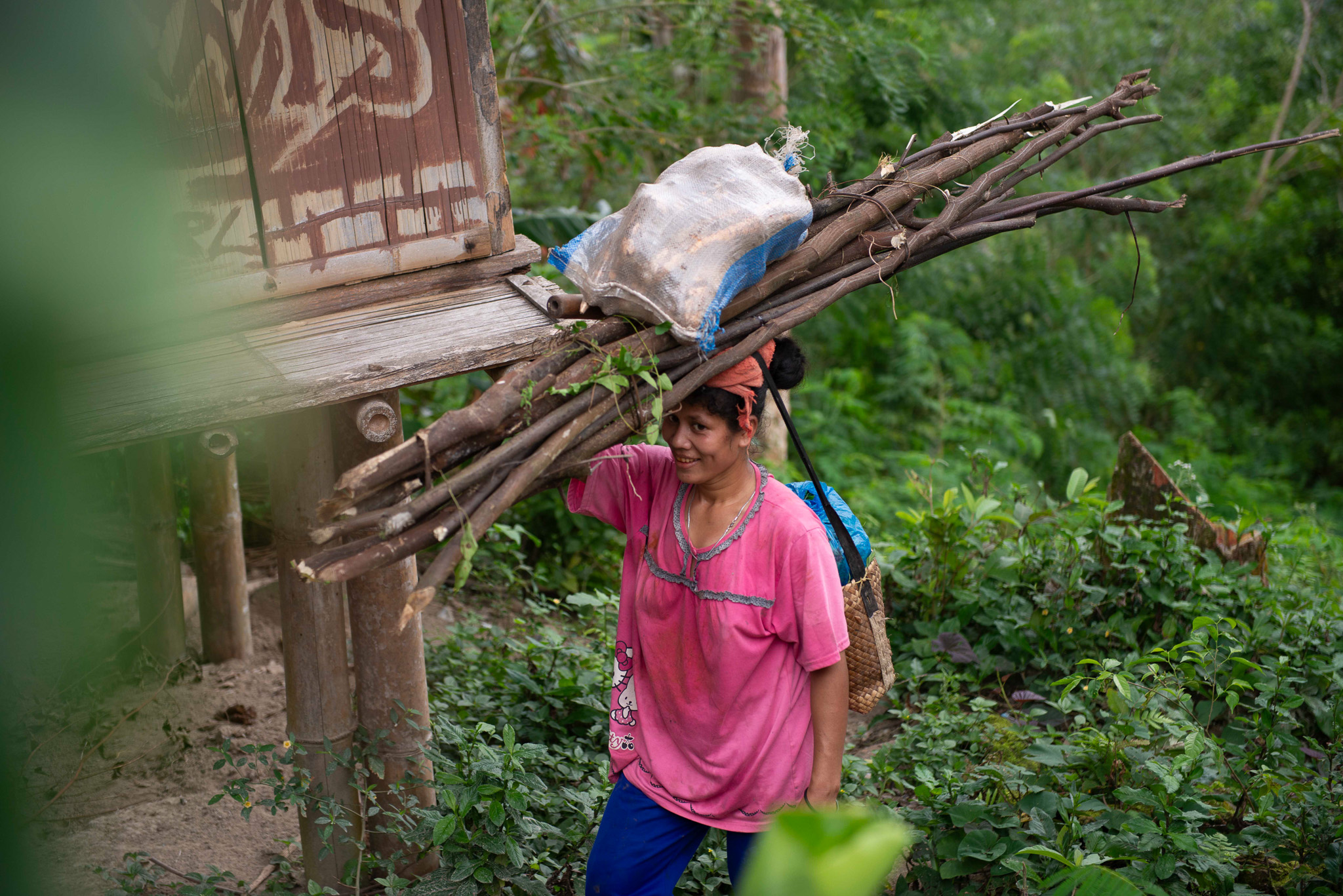
Community member in Tanah Bu Utara, East Nusa Timor
In 2025, KPA expanded its organising, advocacy, and DAMARA work across multiple regions. Much of this work takes place in “priority locations for agrarian reform” (LPRAs)—areas where communities are pursuing land redistribution or resolving land conflicts, and where DAMARA supports how land is organised and used in practice.
This work translated into progress across several provinces:
In parallel, KPA was formally recognised as a “Strategic Partner for Agrarian Reform” by the Ministry of Agrarian Affairs, strengthening its role in shaping and supporting how agrarian reform is implemented in practice.
The longer-term value of KPA’s work becomes clearest at the community level.
In Sumberklampok Village in Bali, more than 100 farming households from the former East Timorese Peasants’ Union have been cultivating land since 1999. Although the government legally recognised part of their settlement area, most of their farmland remains inside a designated forest area.
Up until last year, the conditions were difficult—dry soil, unpredictable rainfall, and limited access to clean water.
"Before, we tried to grow anything in our yards, but nothing would grow. We relied on travelling vegetable sellers, spending up to Rp 50,000 daily."
Working with KPA, the community began mapping its land and organising collectively on the basis of DAMARA principles. This meant not only documenting their territory but also working together to address the practical challenges affecting their daily lives, such as the need for a reliable water source.
In 2024, they identified a clean spring near Mount Kapas and negotiated access with the national park. In return, they committed to protecting the surrounding forest. Community members then raised funds and worked together to build a water system connecting the spring to the village.
By mid-2025, clean water finally reached the village.
“After finding the water source and channelling it to our homes, our plants thrive. We harvest every two days. Not only for consumption, but some of us also sell the produce and increase family income,” said Ni Luh, another village member.
The change has been gradual but meaningful. Households now have reliable access to water. Women have started cultivating vegetables and herbs in their yards, and youth groups have planted trees to protect the spring and reduce erosion.
“The taste is different from store-bought vegetables. Harvested and cooked immediately, the vegetables are fresh and more delicious. They are also free from harmful chemicals,” Ni Luh added.
The community is now exploring agro-education and small-scale tourism, while continuing to seek formal recognition of their land.
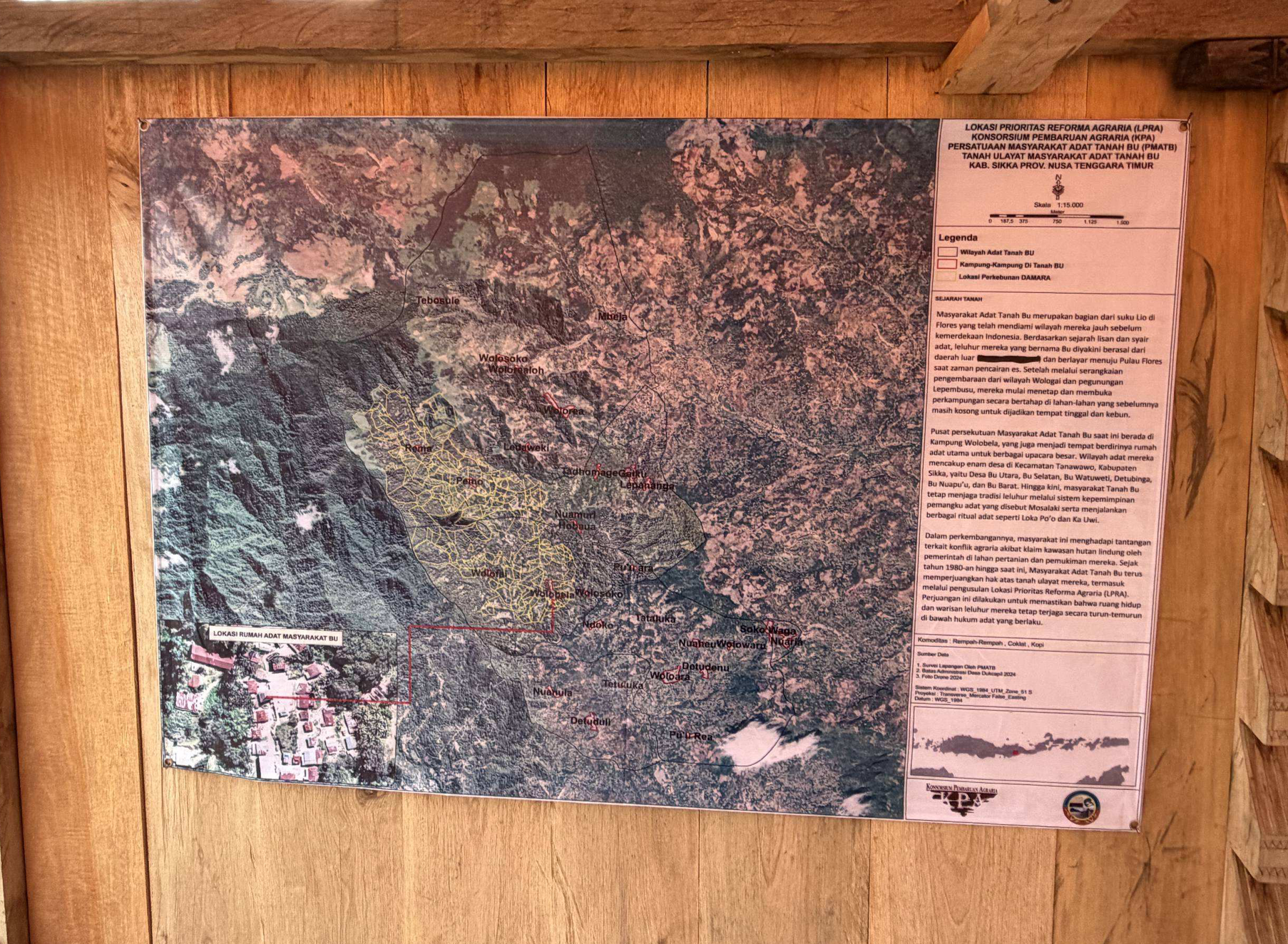
A participatory map of a KPA-supported territory
KPA works across levels, carrying community claims from villages into processes that exclude them.
Equally important, it invests in long-term leadership. Through the Genuine Agrarian Reform Academy, KPA offers structured, ongoing training system for organisers across the country, from local community members to regional and national leaders.
The academy is not a one-off training. It is a continuous learning process, where participants build the knowledge, political understanding, and practical skills needed to advance agrarian reform, including documenting land, supporting community organising, engaging with policy processes, and strengthening initiatives such as DAMARA. The academy also fosters something less visible but just as important: a network of organisers who learn, reflect, and act together over time.
In Jember, East Java, the academy has taken shape as a space for learning and organising for members of Sekti (Serikat Tani Independen), a local peasant union.
“For Sekti farmers, [the Genuine Agrarian Reform Academy] is not just a place to gather—it is a symbol of hope and a home for a long struggle that is still unfinished.”
For us at Tenure Facility, supporting KPA means backing work that begins in places like Sikka or Jember, and continues through the people, structures, and processes that allow rights to endure over time, while strengthening community-led stewardship that contributes to climate resilience and long-term ecosystem health.
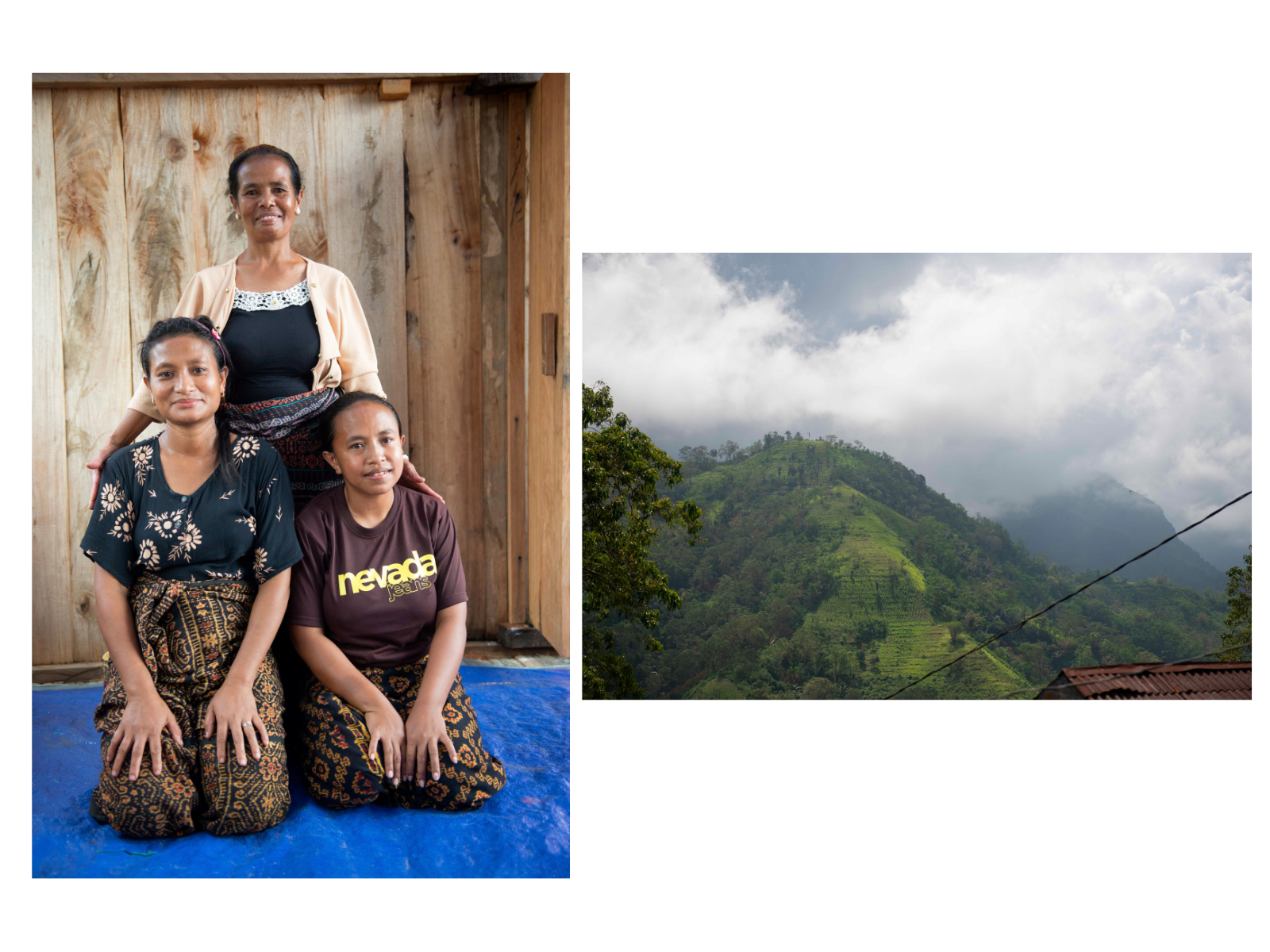
Community members in Tanah Bu Utara, East Nusa Timor
Maria’s gesture during the protest in East Nusa Tenggara was a reminder of what land means for many communities and why this work matters. What follows such acts of resistance is steady and persistent: mapping, village meetings, negotiations with government institutions, cooperative efforts, and long-term organising led by communities themselves.
On 22 September 2026, Indonesia’s Parliament passed a new Agrarian Reform Law, establishing provisions for resolving structural agrarian conflicts, restoring and redistributing land rights, limiting the concentration of land ownership and strengthening protections for groups including farmers and Indigenous Peoples.
For KPA, this marks an important moment in years of work to bring the realities and priorities of communities affected by agrarian conflict into national policy. The law also formally includes Priority Locations for Agrarian Reform (LPRA)as locations or areas prioritised for agrarian reform.
Tenure Facility has supported KPA’s LPRA work since 2022. That support has helped KPA continue the mapping, organising and advocacy behind an approach designed to identify where agrarian reform is most urgently needed and advance community proposals for resolving conflicts and securing rights.
The law is a significant milestone. What comes next is its implementation, and the continued work of KPA, farmers and communities to turn its provisions into changes in people’s lives and territories.
Articles