
2026-07-23
Lessons from LANDac 2026 and Tenure Facility's work in conflict-affected territories by Ylwa Renström and Jolien Schure, Programme Officers at Tenure Facility
What if waiting for peace is one of the biggest obstacles to securing land rights?
For decades, land governance has largely been treated as part of post-conflict recovery. The assumption has been straightforward: conflict ends, institutions recover, people return home, and only then can land rights be restored.
In many parts of the world, however, that sequence does not reflect reality. Conflict is often prolonged, institutions may be weakened or absent, and official land records may have disappeared. Yet communities continue farming, managing forests, resolving disputes, and defending their territories using the governance systems still available to them.
These realities shaped discussions at the 2026 LANDac Annual Conference in Utrecht, in the Netherlands, which brought together researchers, policymakers and practitioners under the theme Land, Conflict and Peace. Across the two-day programme, participants explored how land governance functions in contexts where conflict persists and what role it can play in supporting more resilient communities.
For Tenure Facility, these discussions resonated with the realities Indigenous Peoples’ and local community organisations navigate every day. Across countries including the Democratic Republic of Congo (DRC) and Mali, partners continue strengthening collective land rights despite insecurity, displacement and competing claims over land and natural resources. Rather than waiting for ideal conditions, they are building governance where governance is needed most.
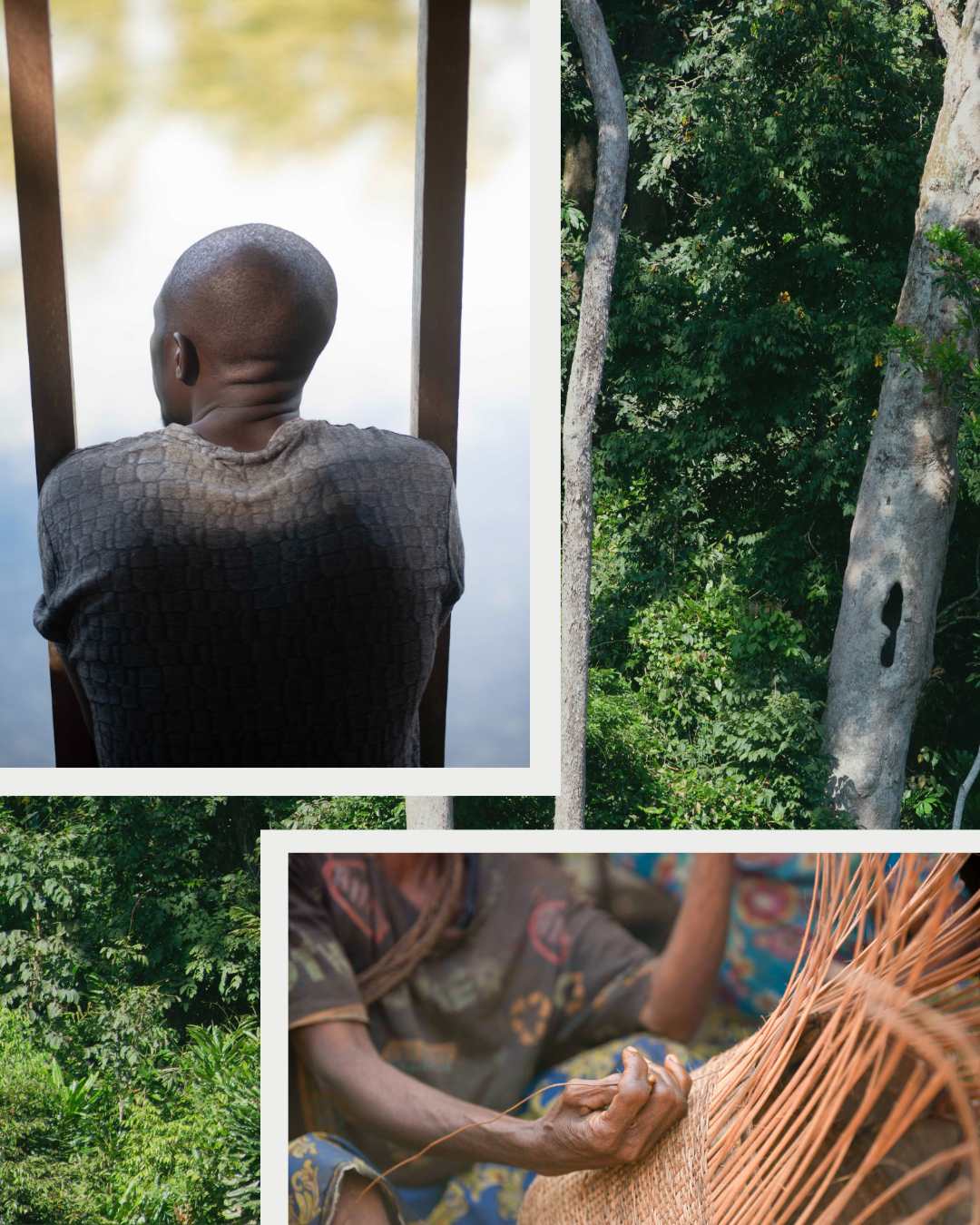
Scenes from the Republic of the Congo
The conference opened with a keynote by Professor Jon D. Unruh, Professor of Geography at McGill University, entitled The Ground Beneath Peace: Land Rights, War, and the Future of Recovery. Professor Unruh, internationally recognised as one of the world’s leading experts on housing, land and property rights in conflict settings, challenged one of the most enduring assumptions in international recovery efforts: that effective land governance can only begin once peace has been restored.
Traditional recovery programmes are generally based on a familiar sequence: conflict ends, peace agreements are signed, displaced people return, land claims are filed, adjudicated and finally implemented. Such approaches assume functioning institutions, documentary evidence, donor financing and a relatively orderly transition from war to peace.
Today’s conflicts rarely unfold that way. Instead, many countries experience prolonged insecurity, fragmented authority, repeated displacement, and partial returns while violence continues elsewhere. In these contexts, delaying land governance until institutions fully recover often means delaying it indefinitely.
Professor Unruh argued: “Laws and procedures designed for stable settings are too slow and costly for war-affected contexts.”
He explained that conflict also transforms the very nature of evidence. Official land records may be destroyed, registries disappear, and administrative systems collapse. Yet communities continue to hold knowledge of who cultivated which land, where customary boundaries lie, and how territories have been governed across generations.
Rather than immediately replacing customary systems with paper-based legal processes, Professor Unruh advocated for approaches that build upon local memory, community testimony, customary verification, satellite imagery and digital technologies. Together, these different forms of evidence can create faster, more legitimate pathways for recognising land rights in fragile contexts.
Perhaps his most compelling argument was that land has itself become part of modern conflict. It is no longer simply something people return to once violence ends; it is increasingly weaponised through occupation, forced displacement, demographic change and control over natural resources. If land is part of the conflict, then securing land rights must also become part of the response. Recovery, he argued, should begin with the institutions and relationships that continue functioning during conflict, rather than waiting for ideal conditions to emerge.
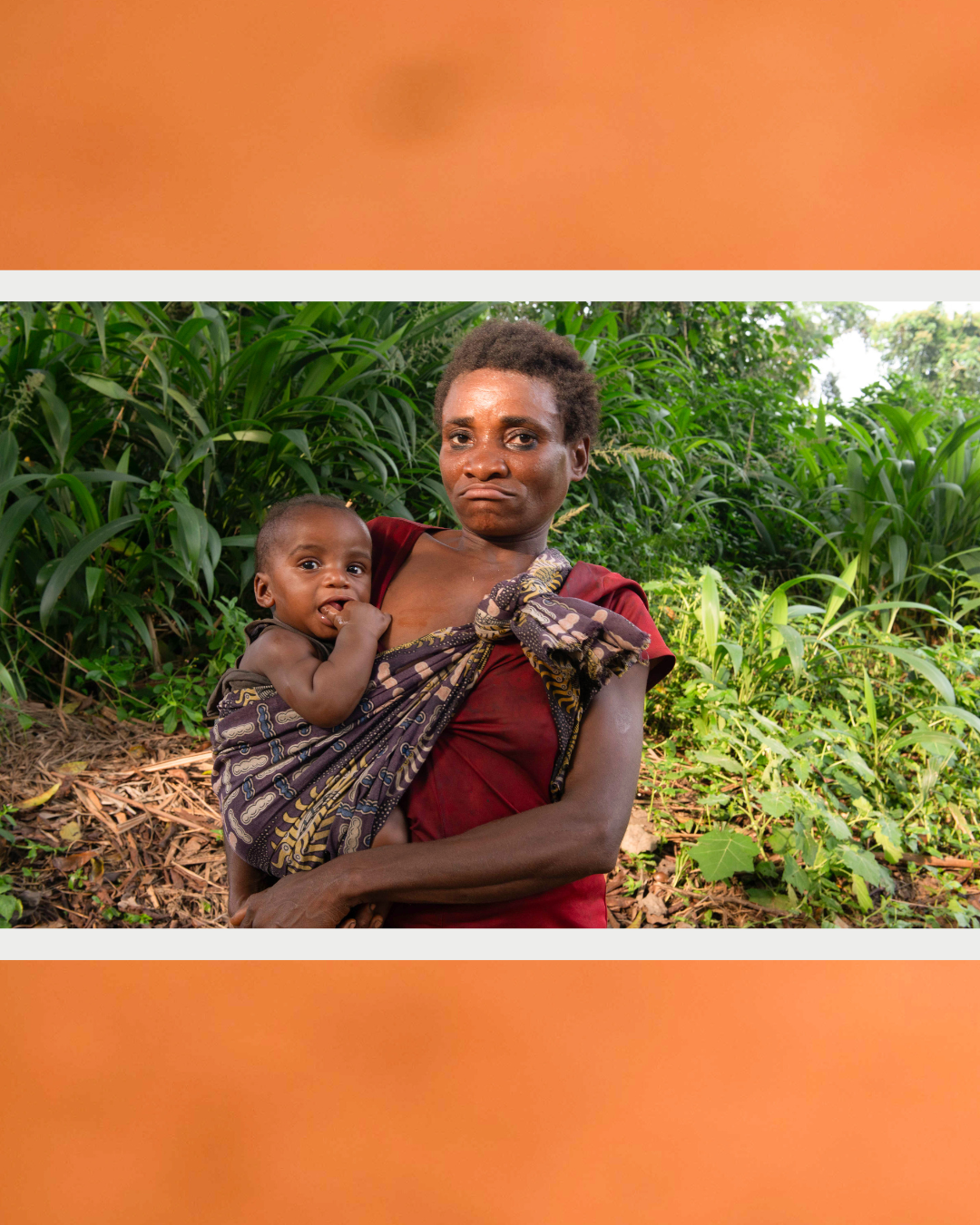
A Baka community member holding her son near Mbandza, northern Republic of Congo.
The conference concluded with an equally compelling keynote by Dr Rose Mediebou Chindji, Associate Professor at the University of Yaoundé I, entitled No Peace Without Land Justice: Rebuilding Territories in the Central African Republic.
While Professor Unruh focused on why land governance cannot wait until conflict ends, Dr Mediebou Chindji explored what meaningful recovery looks like once communities begin rebuilding. Her message was equally clear: sustainable peace depends not only on restoring institutions, but on restoring legitimacy, trust, and people’s relationship with their territories.
Drawing on research from conflict-affected territories in the Central African Republic, she argued that land insecurity is far more than a legal or administrative challenge. It shapes who belongs, who has a voice, and who is recognised within society.
Violent conflict forced displacement and climate pressures have reshaped territories, intensified competition over land and natural resources, and weakened relationships between communities and institutions. Yet across these same landscapes, local mediation practices, customary governance systems and community-led initiatives continue providing the foundations for recovery, often long before formal institutions have regained their full capacity.
As she observed: “Land governance is not merely a technical issue but a strategic tool for reconciliation, resilience and sustainable peace.”
Her keynote challenged another common misconception: that customary governance is somehow separate from modern state-building. Instead, she argued that sustainable peace requires approaches that recognisecustomary rights, restore access to land for displaced communities, include women and Indigenous Peoples in decision-making, and rebuild trust between communities and institutions. Rather than competing with formal systems, customary governance can strengthen them by providing legitimacy where state presence is limited or contested.
Taken together, the opening and closing keynotes arrived at the same conclusion from different directions. Effective land governance in conflict settings depends as much on trusted local institutions, community legitimacy and social relationships as it does on formal laws or administrative systems.

Community members near Mbandza, northern Republic of Congo.
For Tenure Facility, this conclusion felt strikingly familiar. Many of the ideas discussed at LANDac are being put into practice by Indigenous Peoples’ and local community organisations supported through our partnerships. Across eastern Democratic Republic of Congo and Mali, partners work in contexts where displacement continues, authority is fragmented and customary and statutory systems overlap. Waiting for perfect institutional conditions is simply not an option.
Instead, communities continue mapping territories, strengthening local governance, resolving disputes, and securing collective rights while conflict remains part of daily life. Their experience reinforces one of the conference’s central messages: resilient land governance is often built not by creating entirely new institutions, but by strengthening the ones that communities already know and trust.
The situation in eastern Democratic Republic of Congo illustrates exactly why many of the conference discussions matter in practice. Since early 2025, as Tenure Facility launched new programmes led by Indigenous Peoples’ and local community organisations Réseau CREF, Strong Roots, PIDP and UEFA, the security situation deteriorated rapidly. Within weeks, the M23 offensive culminated in the capture of Goma in North Kivu, followed shortly afterwards by Bukavu in South Kivu. The renewed violence triggered further displacement, disrupted local governance, and intensified competition over land, forests, and natural resources.
Conventional recovery thinking would suggest that programmes aimed at strengthening tenure security should pause under these conditions. The reality on the ground has been quite different.
Rather than slowing efforts to secure collective rights, the escalating insecurity reinforced communities’ determination to protect their ancestral territories before new pressures, competing claims or further displacement made that even more difficult.
Working alongside customary authorities, local government services and neighbouring communities, our partners continued facilitating participatory mapping, community dialogue and the establishment of Community Forest Concessions (CFCLs), despite significant logistical and security challenges. In several territories, communities reached key milestones in the CFCL process while conflict continued around them, demonstrating that governance does not simply stop because institutions are under pressure.
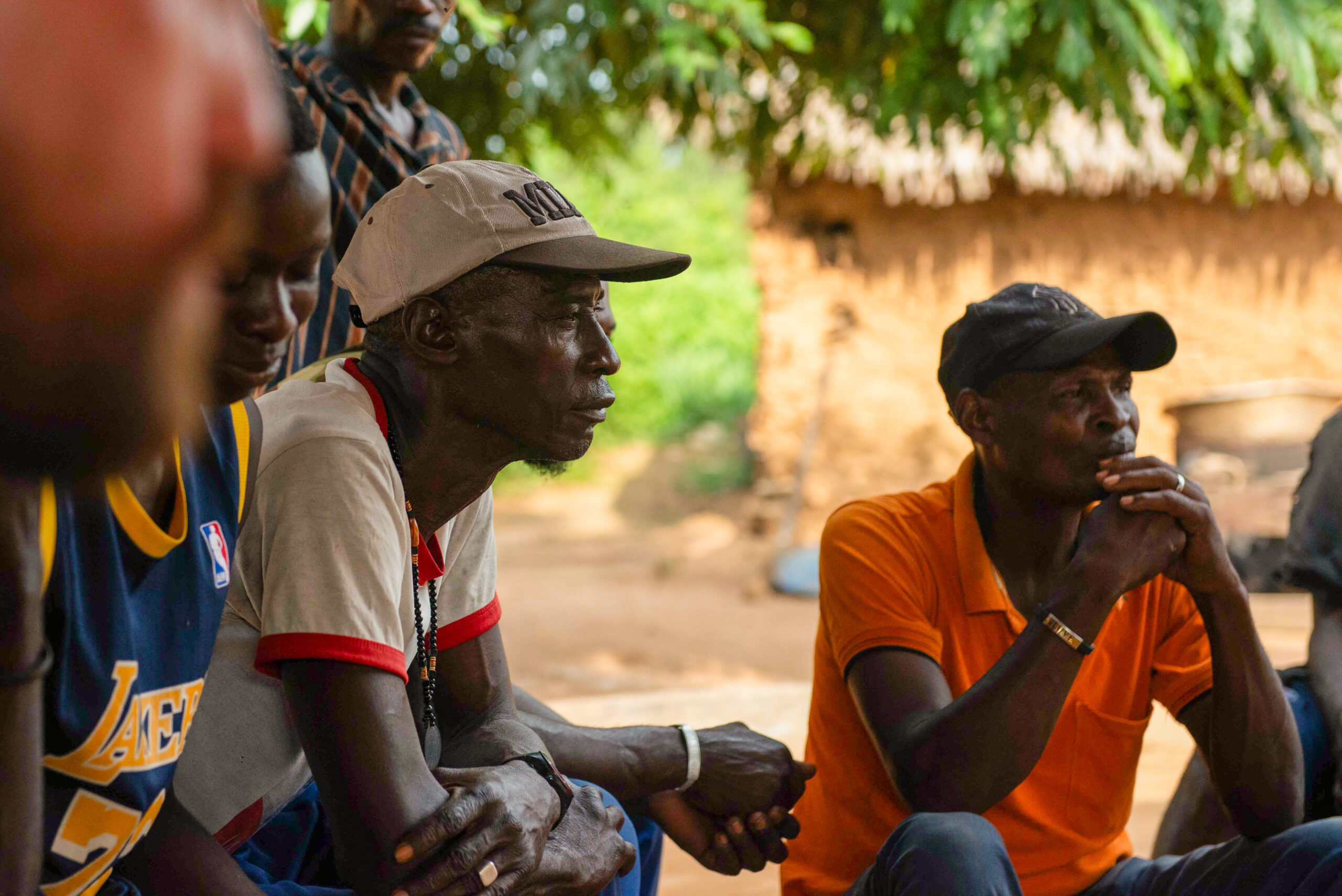
RENAPAC-supported community meeting in Mbandza, northern Congo.
A defining feature of these programmes is that they are led by Indigenous Peoples’ and local community organisations themselves. Their longstanding presence, trusted relationships, and deep understanding of local realities have enabled work to continue where external actors often face increasing security and access constraints.
This distinction matters. Rather than creating parallel governance systems, the programmes strengthen institutions that communities already recognise and trust. Customary authorities, local organisations and neighbouringcommunities are not treated as beneficiaries of governance; they are the actors making governance possible.
This echoes one of the strongest messages from LANDac: in fragile settings, legitimacy often matters as much as formal authority. Communities are far more likely to defend and sustain institutions they have built themselves than those introduced from outside.
The experience in eastern DRC also highlights another important lesson. Tenure security is not simply an outcome of stability; it can become one of the mechanisms through which stability is gradually built. Participatory mapping, dialogue and collective recognition of territorial rights help reduce uncertainty, clarify responsibilities and strengthen relationships between communities that must continue living alongside one another despite ongoing insecurity.
Seen through this lens, securing land rights during conflict is not about waiting for recovery to begin. It is already part of the recovery process.
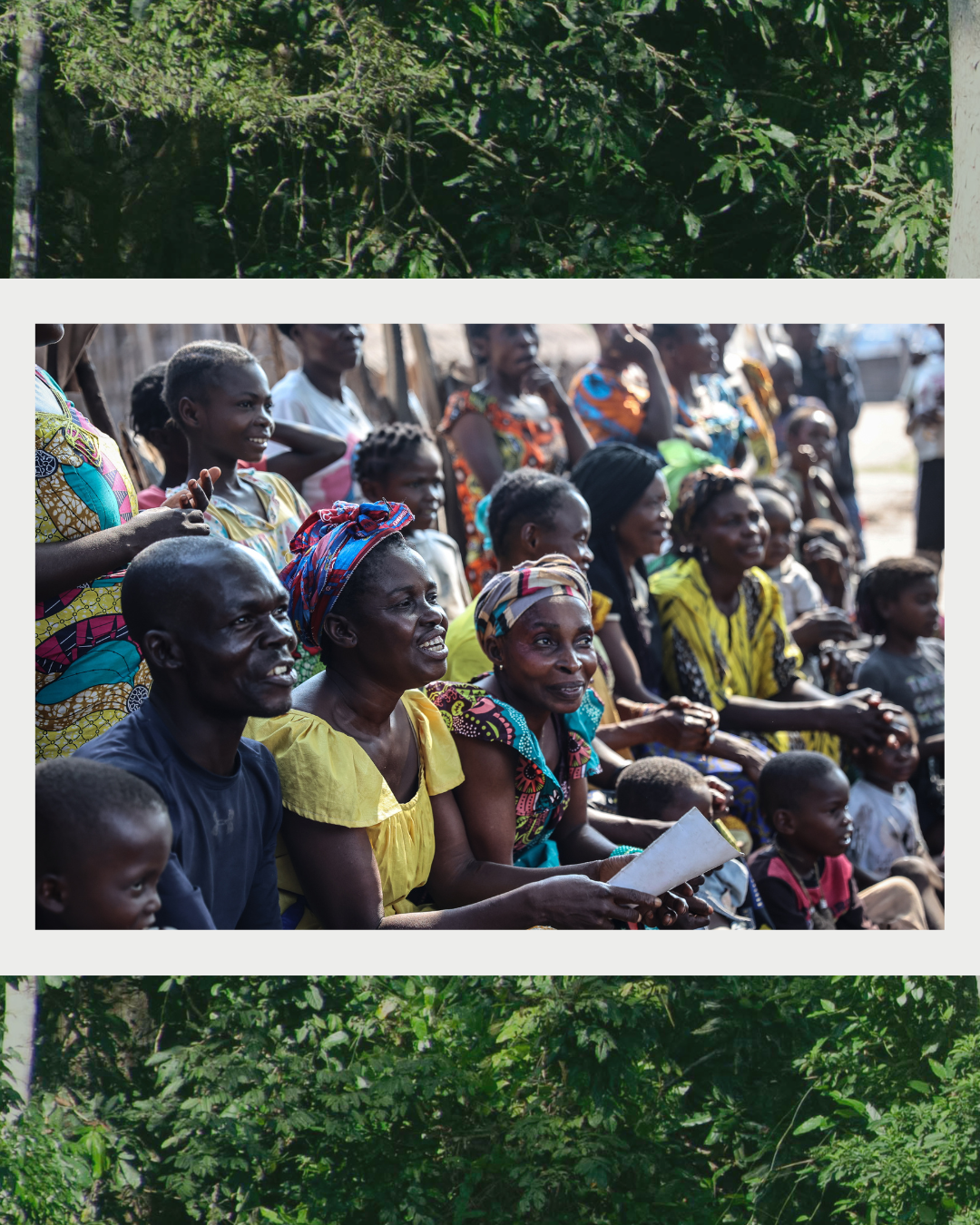
Community members during a community meeting in Kwango province, northern DRC - Ley Uwera
The experience in Mali offers a complementary perspective. If eastern DRC demonstrates how local governance continues amid active conflict, Mali shows how strengthening legitimate local institutions can help communities navigate fragility before disputes become larger crises.
The security situation in the Sahel has deteriorated significantly over the past decade. In Mali, particularly in the northern and central parts of the country, communities have lived with jihadist insurgencies since 2012 while also experiencing repeated political instability and military coups. Armed groups continue to challenge state authority, while military operations and insecurity have further complicated everyday governance.
Against this backdrop, strengthening land governance is not simply about clarifying who owns what. It is about reducing tensions, creating trusted spaces for dialogue and giving communities practical mechanisms to manage competing claims over land and natural resources.
This is the approach taken by Tenure Facility’s partners, the National Coordination of Farmers’ Organizations (CNOP) and the Union of Associations and Coordination of Associations for Development and the Defence of the Rights of the Poor in Mali (UACDDDD).
Since 2016, through the project Support for Securing Land and Forest Tenure for Local Communities through Village Land Commissions in Mali, the partners have worked across the regions of Koulikoro, Ségou, Sikasso and San to strengthen local land governance. To date, more than 400 Village Land Commissions (COFOvs) have been established, each providing a locally trusted platform for communities to govern land and natural resources collectively.
The adoption of the Loi sur le Foncier Agricole (LFA) in 2017 marked an important milestone. Following years of advocacy by Malian civil society, the law formally recognised customary land rights and established a framework that brings together statutory recognition and customary legitimacy.
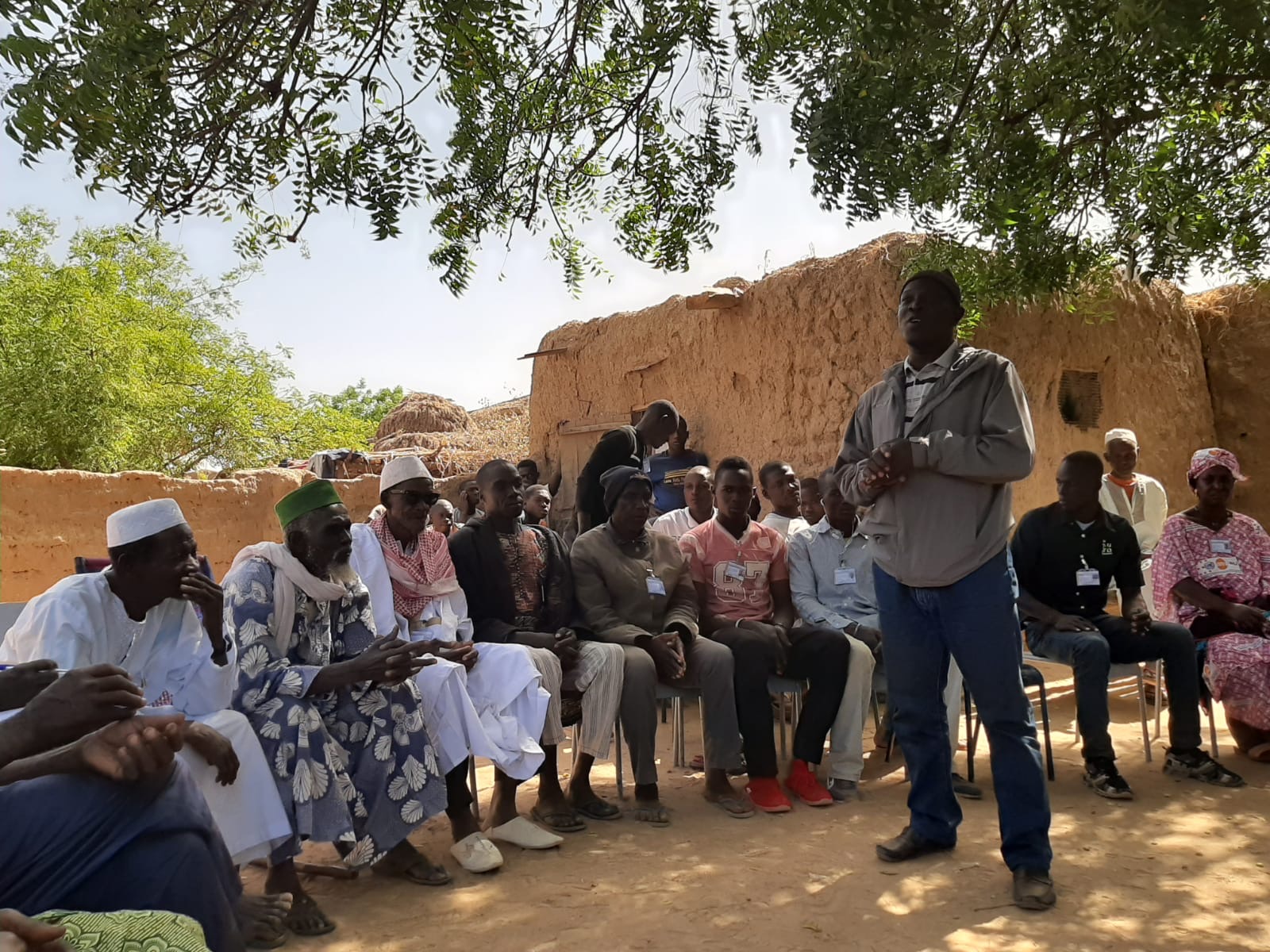
Community meeting in Mali
The Village Land Commissions sit at the centre of this approach. Rather than replacing customary governance, they build upon it, creating institutions that are legally recognised while remaining deeply rooted in local realities.
Their strength lies not only in how they govern land, but in who participates. Rather than relying solely on traditional authorities, the COFOvs bring together farmers, pastoralists, fishers, women, young people and other community representatives whose voices have often been excluded from land-related decision-making.
This inclusive governance model strengthens local ownership, builds confidence in decision-making and creates trusted spaces where competing interests can be negotiated before disputes escalate into conflict.
For communities, the impact extends well beyond land administration. The commissions help prevent and resolve disputes, clarify land rights, strengthen cooperation between different land users and provide a locally legitimate institution that communities can rely on even where state presence is limited.
In this sense, they perform functions that go far beyond technical land governance. They contribute to social cohesion, reinforce local accountability, and strengthen communities’ ability to navigate uncertainty together.
The project has also placed an increasing emphasis on women’s leadership and land rights. Through leadership training, women have gained the confidence and skills to participate actively in the COFOvs and influence decisions that directly affect their families and communities.
This shift is changing not only those who participate in decision-making, but also how decisions are made. Women are increasingly recognised as leaders in local governance rather than simply beneficiaries of development programmes.
Their growing participation has generated wider benefits for communities as well. Women have played an important role in promoting agroecological farming practices that improve soil health, strengthen food security and increase resilience to climate change.
The result is a model of governance that simultaneously strengthens land rights, supports more sustainable resource management, and builds greater resilience to future shocks.
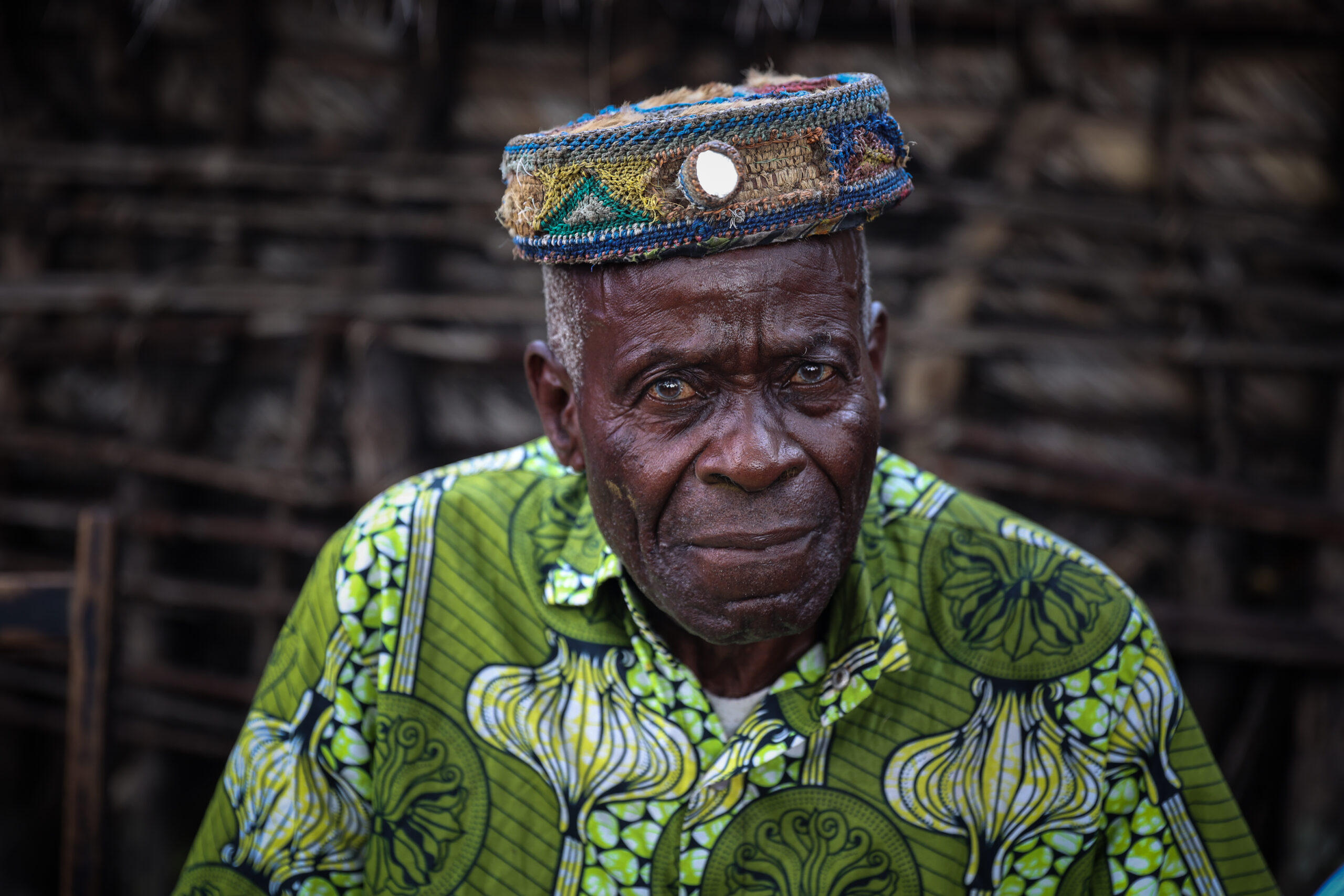
Indigenous community chief in Kwango province, northern DRC
Reflecting on Tenure Facility’s experience, Margaret Rugadya, Chief Programme Officer, sees the conference discussions as reinforcing lessons that partners have been demonstrating for years:
“The strongest institutions in times of conflict are often those that communities have built themselves. These local institutions and governance structures form the bedrock for resilience in times of turmoil and uncertainty. Investing in Indigenous Peoples’ and local community organisations means investing in the local legitimacy that recovery ultimately depends on. Secure collective land rights are not simply an outcome of peace, they are one of the foundations on which lasting peace can be built.”
Her reflection captures a thread that ran throughout the conference and across Tenure Facility’s own partnerships: peace is not built solely through formal institutions or political agreements. It is also built through communities’ ability to govern their territories, resolve disputes, maintain trust, and make collective decisions, even under extraordinarily difficult circumstances.
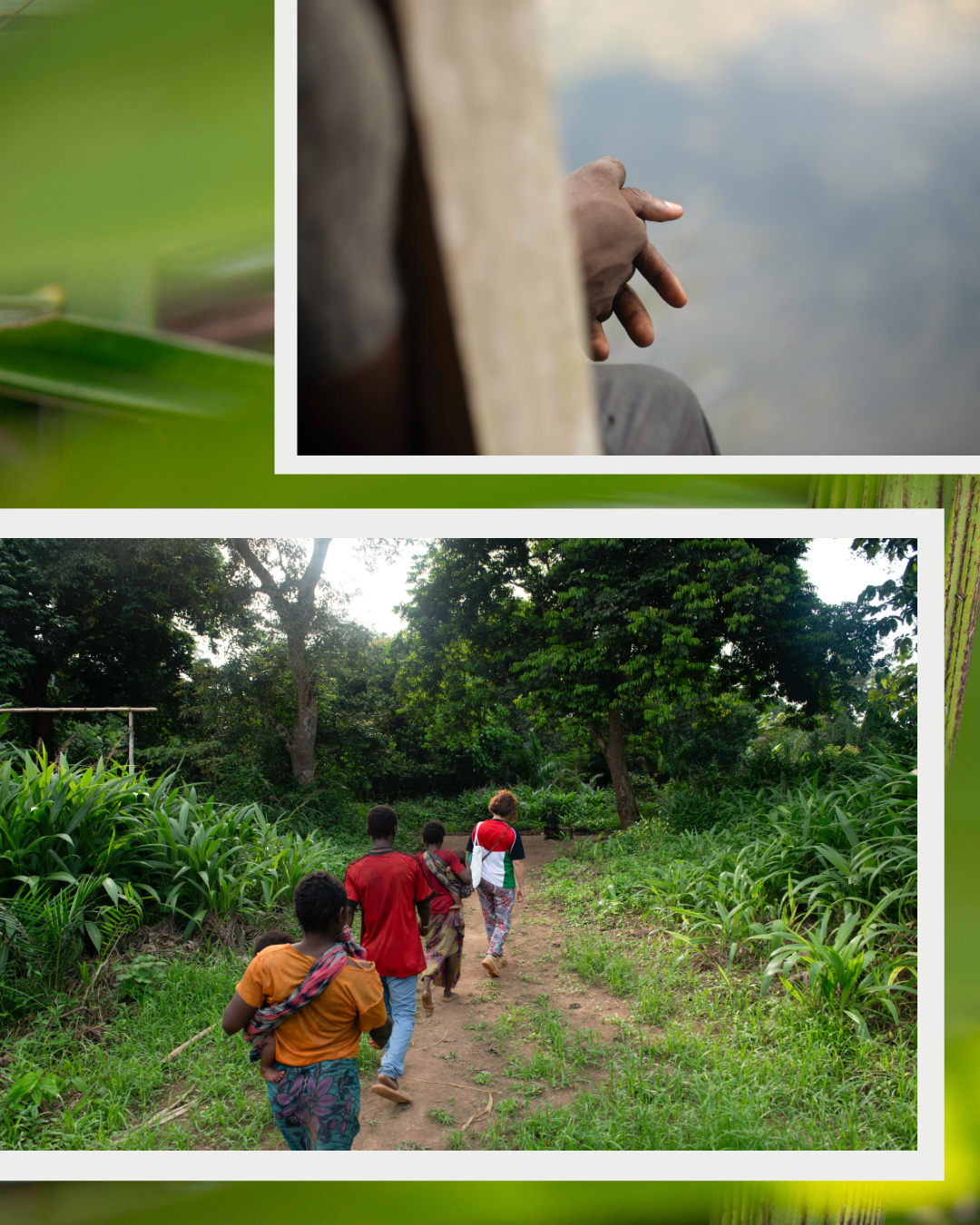
Scenes from the Republic of the Congo
One of the strongest messages from LANDac 2026 was that the international community may need to rethink how it approaches land governance in conflict settings.
For many years, programmes have often been designed around an imagined future where violence has ceased, institutions function effectively and displaced people can safely return home. Yet today’s conflicts increasingly defy these assumptions. In many contexts, waiting for ideal conditions means waiting indefinitely.
What the conference demonstrated, and what Tenure Facility’s partners continue to show in practice, is that governance does not simply pause during conflict. Communities continue making decisions, managing territories, resolving disputes and adapting institutions to new realities. The question is not whether governance exists during conflict, but whether it is recognised, supported and strengthened.
For practitioners and policymakers, this calls for a shift in perspective. Rather than designing land governance systems only for post-conflict recovery, greater attention should be given to the institutions that continue functioning throughout periods of instability. Customary governance, community organisations and Indigenous institutions are not temporary substitutes for the state; they are often the foundations upon which more resilient governance can later be rebuilt.
For donors, the implications are equally significant. Investing in Indigenous Peoples’ and local community organisations during periods of fragility is not simply about sustaining programmes through difficult circumstances. It is an investment in trusted institutions, relationships and local legitimacy that make long-term recovery possible.
A different starting point
Perhaps the most important takeaway from LANDac 2026 is that we need to stop asking how land governance can support societies once peace has been achieved. Instead, we should ask how strengthening legitimate, locally rooted governance today can help create the conditions for peace tomorrow.
Across eastern Democratic Republic of Congo, Mali and many other contexts, Indigenous Peoples and local communities are already answering that question. Every day, they continue governing, negotiating, protecting their territories and strengthening institutions despite uncertainty.
Their experience challenges one of the oldest assumptions in post-conflict recovery: that secure land rights are something societies build after peace. Increasingly, they are proving the opposite. Secure collective land rights are part of how lasting peace is built.
Articles