
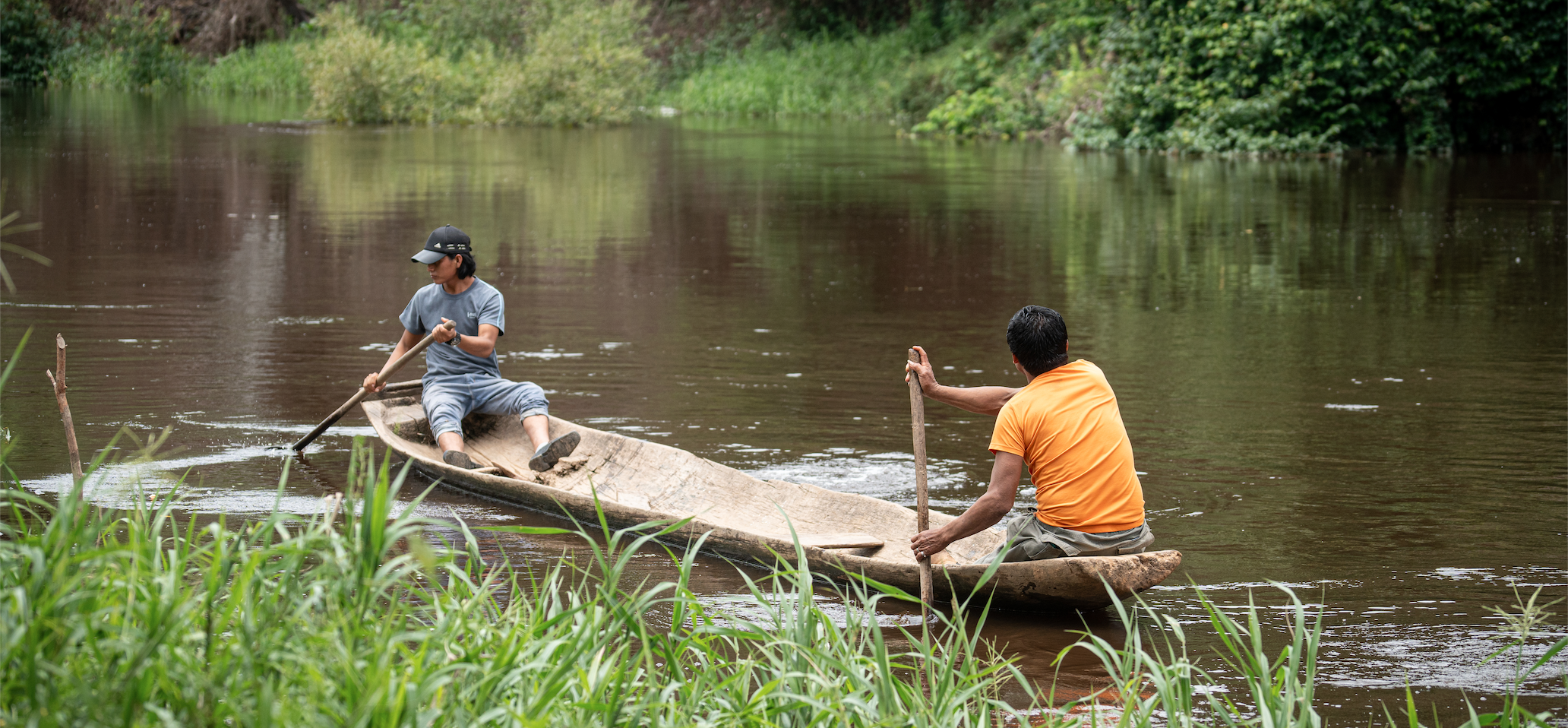
Bolivia remains the poorest country in Latin America. It has a relatively low population density, with 12 million people occupying just over 100 million hectares. 25% of the population is rural.
Roughly half the population currently assume a mestizo heritage, while half self-identify as exclusively Indigenous. There are about 36 recognised Indigenous Peoples in Bolivia.
Bolivia has a relatively progressive legislation when it comes to communal land tenure for Indigenous communities living in their ancestral territories. This legislation comes after various important events where Indigenous Peoples fought for their rights in the country.
1400–1532: Inca expansion
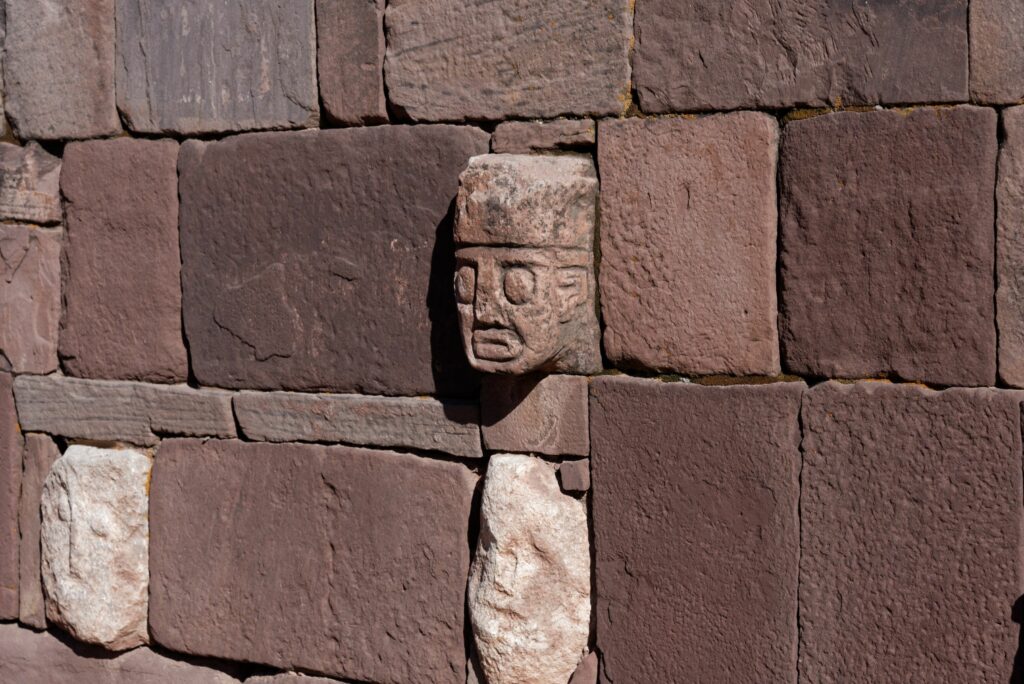
1400–1532: Inca expansion
The Incas conquered the Aymara chiefdoms of Bolivia, incorporating them into their empire. Despite the Inca empire expansion, the Aymara groups were able to preserve their language and identity.
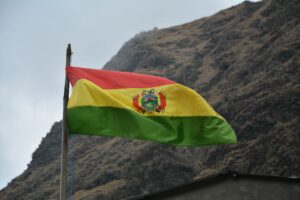
1809–1825: Independence uprisings
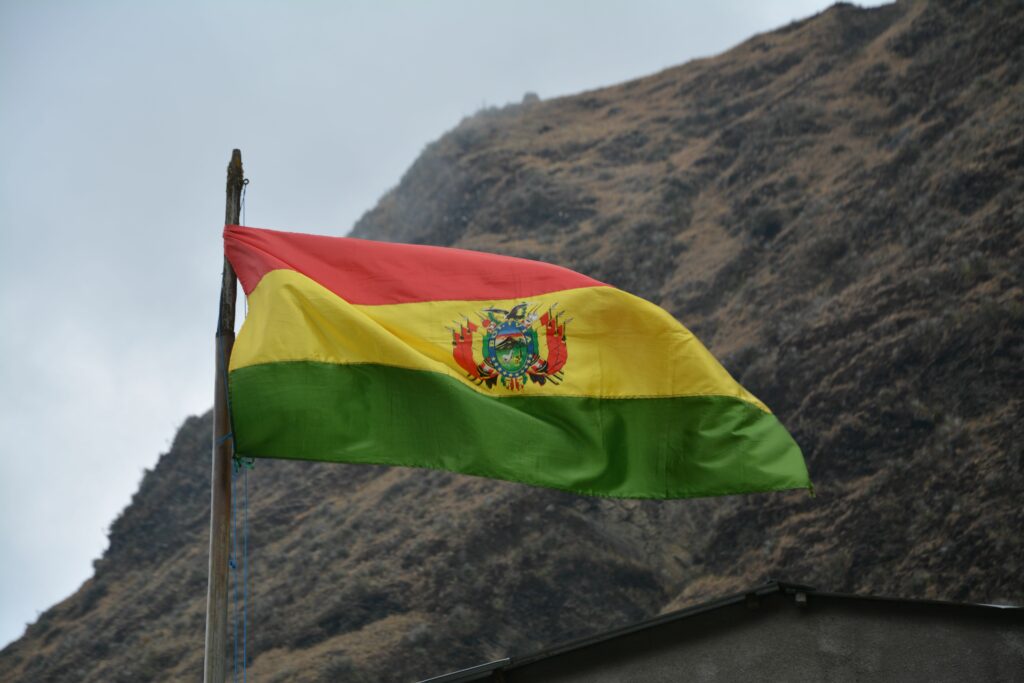
1809–1825: Independence uprisings
Revolts in Bolivia’s major cities, such as La Paz and Chuquisaca, sparked a series of social uprisings that ultimately led to Bolivia’s independence in 1825.
1879–1884: War of the Pacific
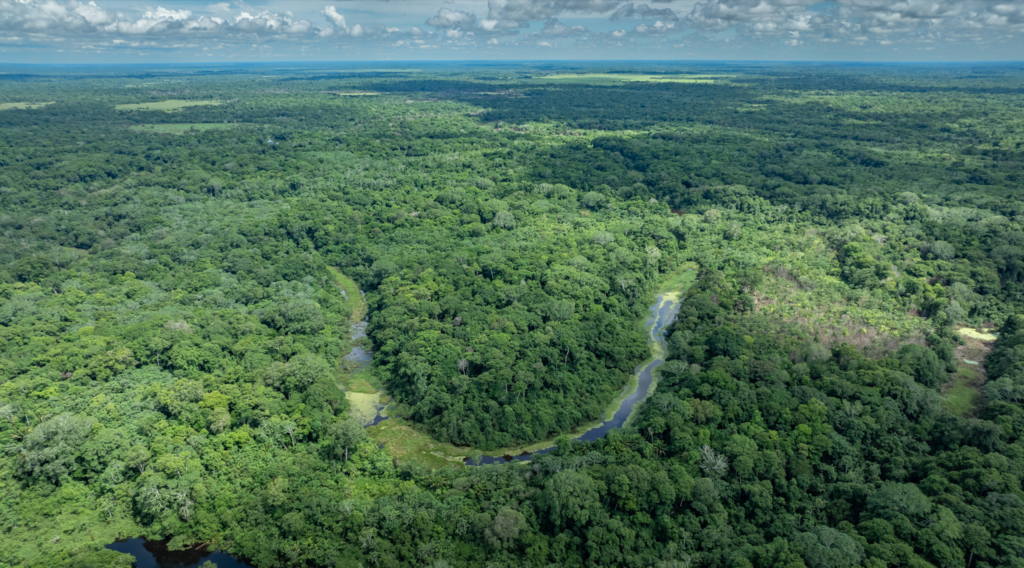
1879–1884: War of the Pacific
Bolivia and Chile became embroiled in a war over territories along the Pacific coast. In 1884, after years of conflict, Bolivia lost these territories and became landlocked.
1932–1935: Chaco War
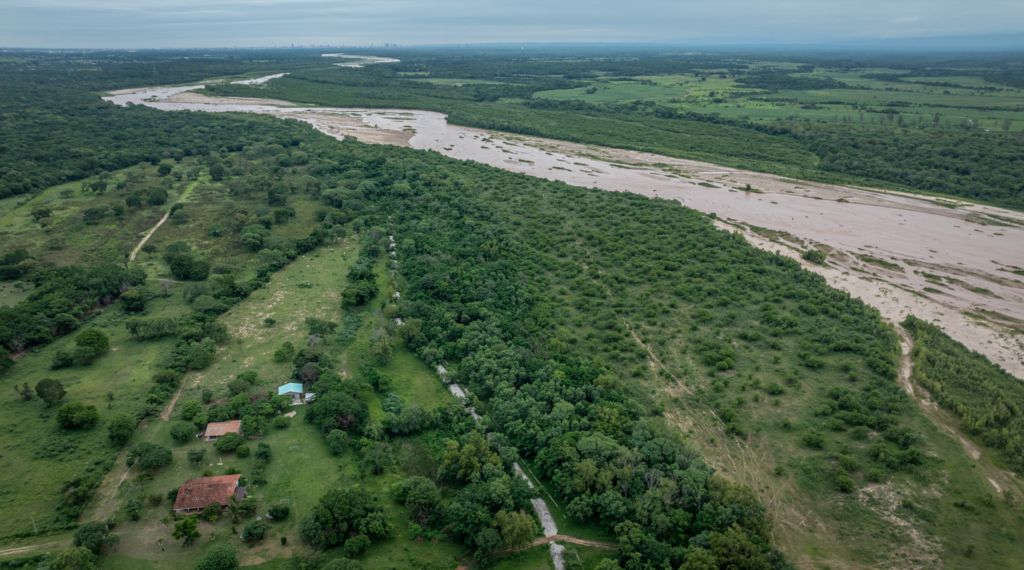
1932–1935: Chaco War
Bolivia and Paraguay were locked in a serious conflict over control of the Chaco region, a territory believed at the time to contain rich oil reserves and to offer strategic access to the Paraguay River. It was the deadliest war of the 20th century in South America. After years of conflict, Paraguay gained control of most of the disputed territory.
1990: March for territory and dignity
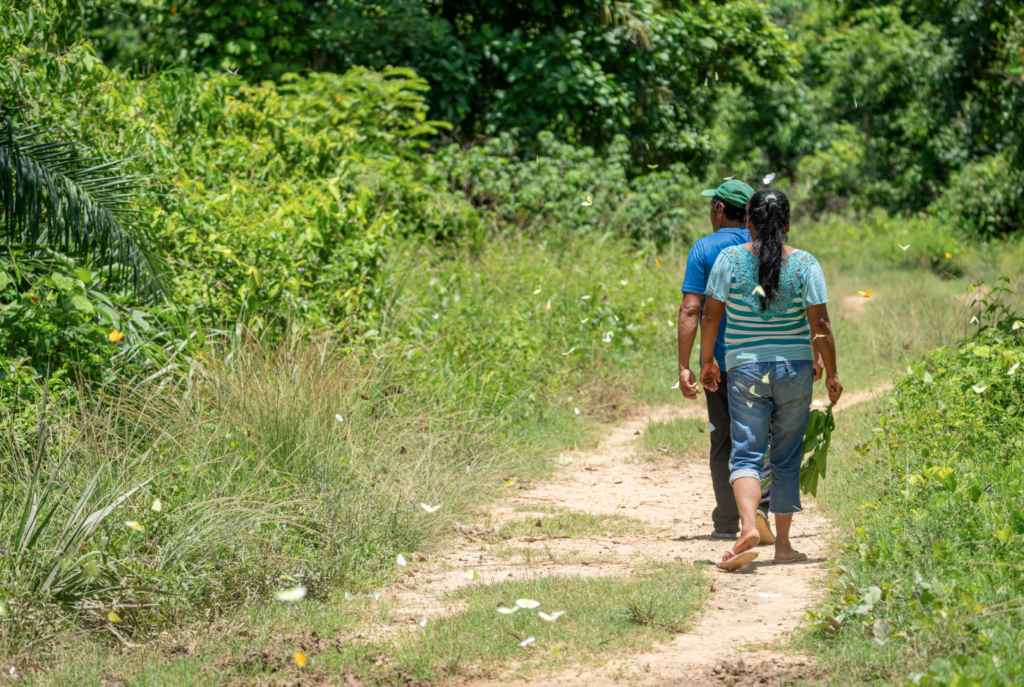
1990: March for territory and dignity
Organised by the Confederation of Indigenous Peoples of Eastern Bolivia, an Indigenous federation of the lowlands, hundreds of Indigenous leaders and community members from Bolivia’s Amazonian regions marched more than 600 km from the Amazonian department of Beni to La Paz.
The march demanded legal recognition of Indigenous territories, cultural rights, and political inclusion. It was the first time that the Indigenous Peoples of the lowlands gained national visibility and pressured the Bolivian government to recognise collective territorial rights, which led to the creation of the first “Tierras Comunitarias de Origen” (Communal Lands of Origin), a legal category of collectively owned Indigenous territories that recognises the ancestral lands of Indigenous Peoples.
2000–2005: The water and gas wars
2000–2005: The water and gas wars
2000: Cochabamba Water War: As a result of neoliberal policies, massive protests erupted in Cochabamba after the privatisation of the city’s water system led to sharp price increases. Led by urban groups, farmers, and Indigenous communities, the mobilisation forced the government to cancel the water contract.
2003–2005: The Gas War in Bolivia
Nationwide protests opposed plans to export natural gas without providing greater benefits to the country. Violent clashes led to the resignation of President Gonzalo Sánchez de Lozada in 2003 and reinforced demands for public control over natural resources.
2020s – Present
2020s – Present
Bolivia is still struggling to strengthen its democracy; contradictory actions by the Movement Toward Socialism have led to political divisions and debates over the future of the plurinational state, environmental protection, and indigenous territorial rights. In recent years, conservative political forces have won elections. However, indigenous and social movements remain important actors in shaping the country’s political and social direction, with the hope of strengthening and consolidating the rights they have won toward “living well” as a philosophy of life in harmony with nature, the community, and personal balance.
Before 1400: Pre-Columbian era
Before 1400: Pre-Columbian era
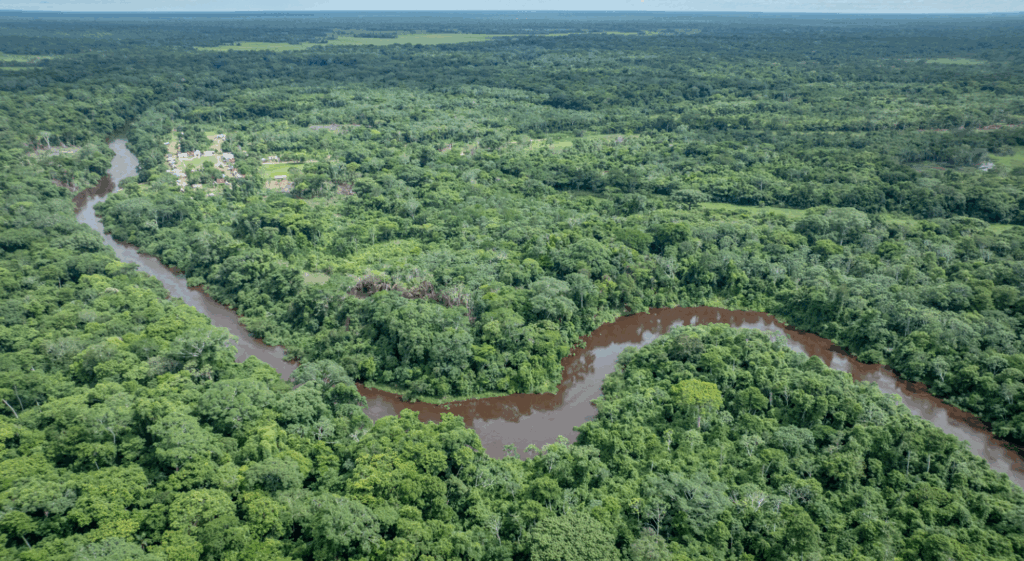
Several pre-Columbian Indigenous civilisations inhabited what we now know as Bolivia. They developed sophisticated architecture, astronomical practices, and agricultural systems. One of the most important civilisations to emerge during this period was the Tiwanaku civilisation, which eventually collapsed in the 13th century. Following this collapse, Aymara-speaking chiefdoms began to emerge.
1534: Spanish conquest and colonial period
1534: Spanish conquest and colonial period
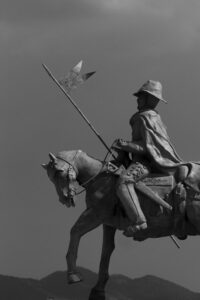
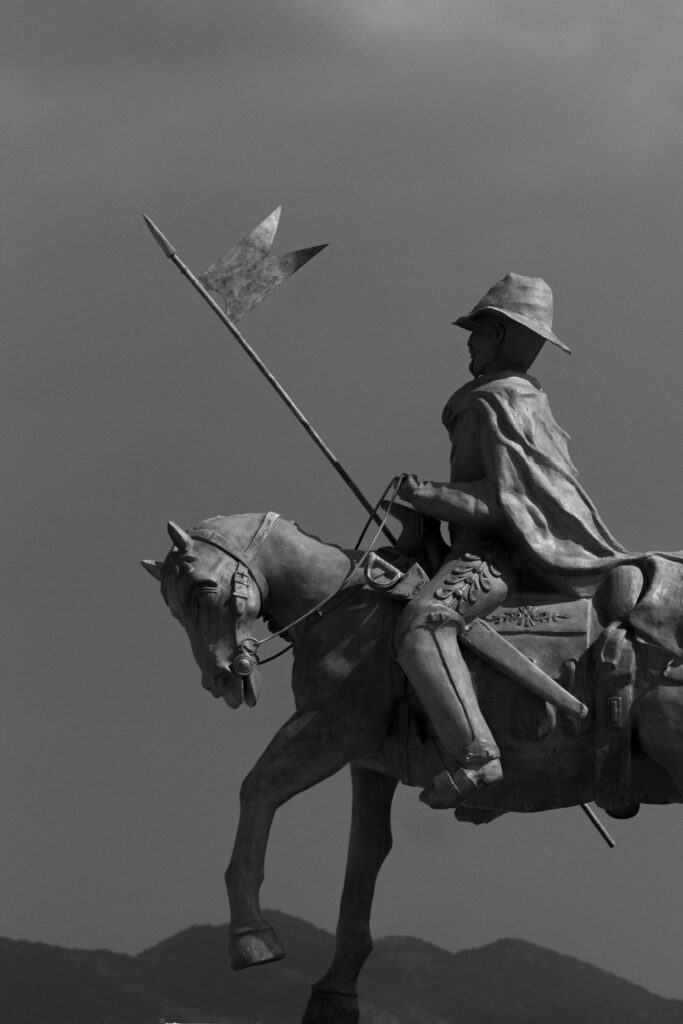
Following the battles of the conquest, the Spanish defeated the Incas and their forces throughout Latin America. In 1549, the Spanish founded cities in what is now Bolivia, such as La Paz. During the Spanish colonial period, Indigenous Peoples of Bolivia suffered forced labour and cultural and social discrimination.
In 1545, a silver boom occurred in Bolivia following the discovery of the metal at Cerro Rico. Indigenous men were forced to perform mining labour through the mita system (forced labour in exchange for very low pay).
1825: First republic
1825: First republic
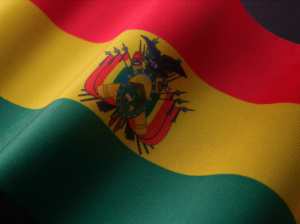
Following the proclamation of independence led by Simón Bolívar and Antonio José de Sucre, Bolivia established its first republic, marking the beginning of a new era.

1899–1903: War of Acre
1899–1903: War of Acre
Bolivia and Brazil came into conflict, driven by the rubber boom in Amazonian territories. In 1903, both countries signed the Treaty of Petrópolis, which marked the end of the conflict. To end the conflict, Bolivia ceded the territory of Acre under this treaty in exchange for compensation and the construction of the Madeira-Mamoré Railway, which provided Bolivia with better transportation access to the Amazon.
1952: National revolution
1952: National revolution
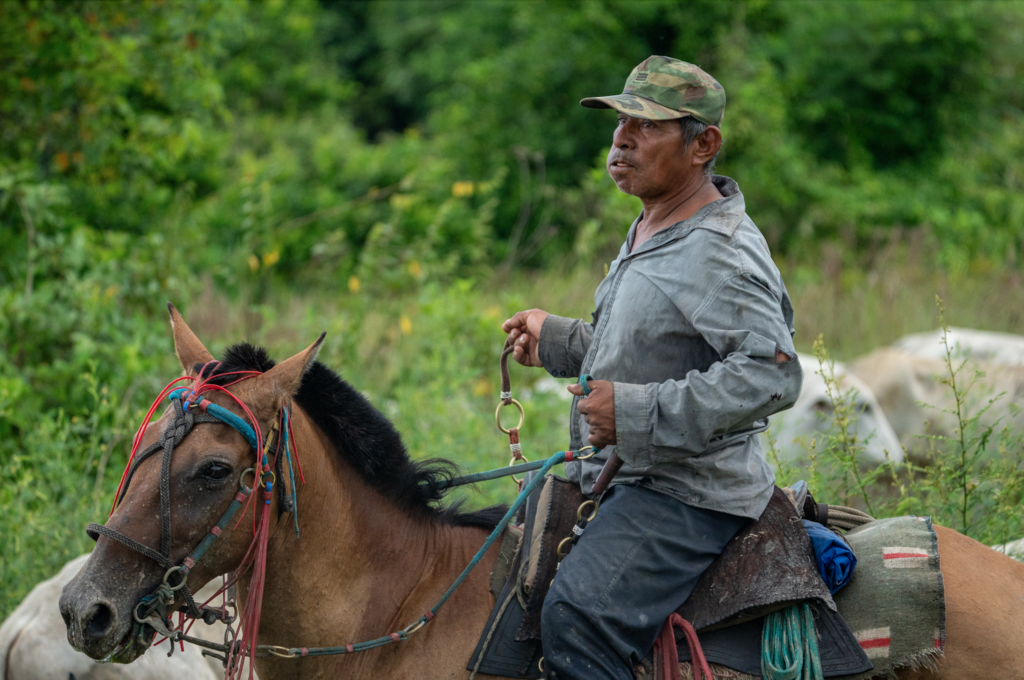
In the wake of social and political unrest, a transformative policy paved the way for agrarian reform, universal suffrage, the nationalisation of mines, and other measures. Thanks to these revolutionary changes, the country’s Indigenous communities began to have greater social inclusion.
1996: March for land and territory
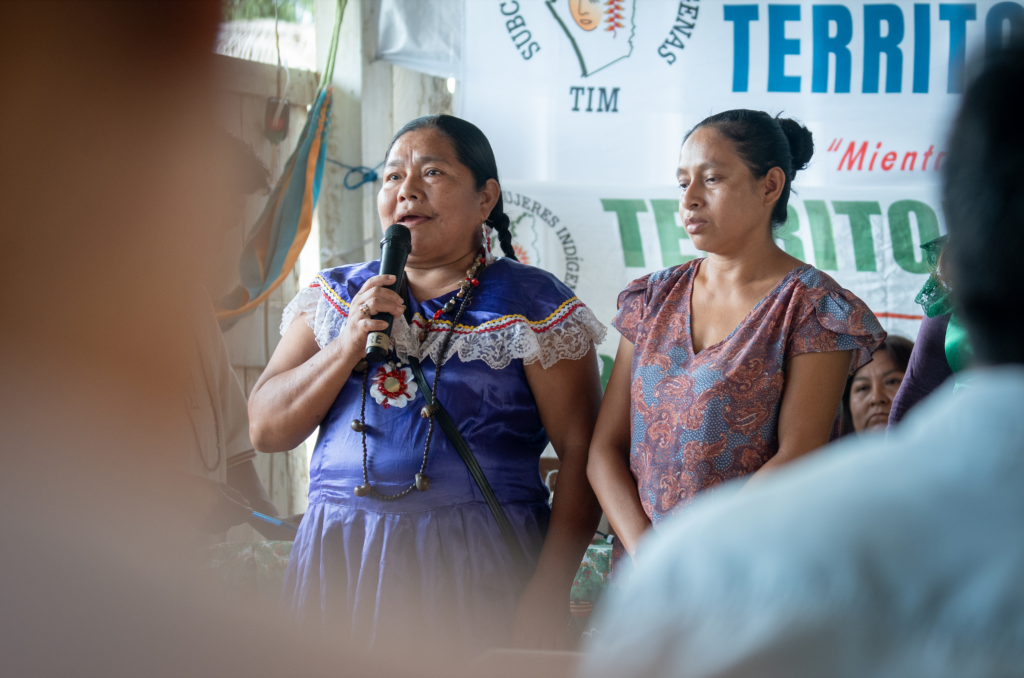
1996: March for land and territory
A second major Indigenous mobilisation led by the Confederation of Indigenous Peoples of Eastern Bolivia brought together Indigenous groups from the Amazon, the Chaco, and other lowland regions to reinforce their demands for land titling and autonomy. This march influenced the 1996 Agrarian Reform Law, which formally recognises the Indigenous Peoples’ collective territorial claims and establishes mechanisms for the titling of these territories.
2005: Pro-Indigenous republic
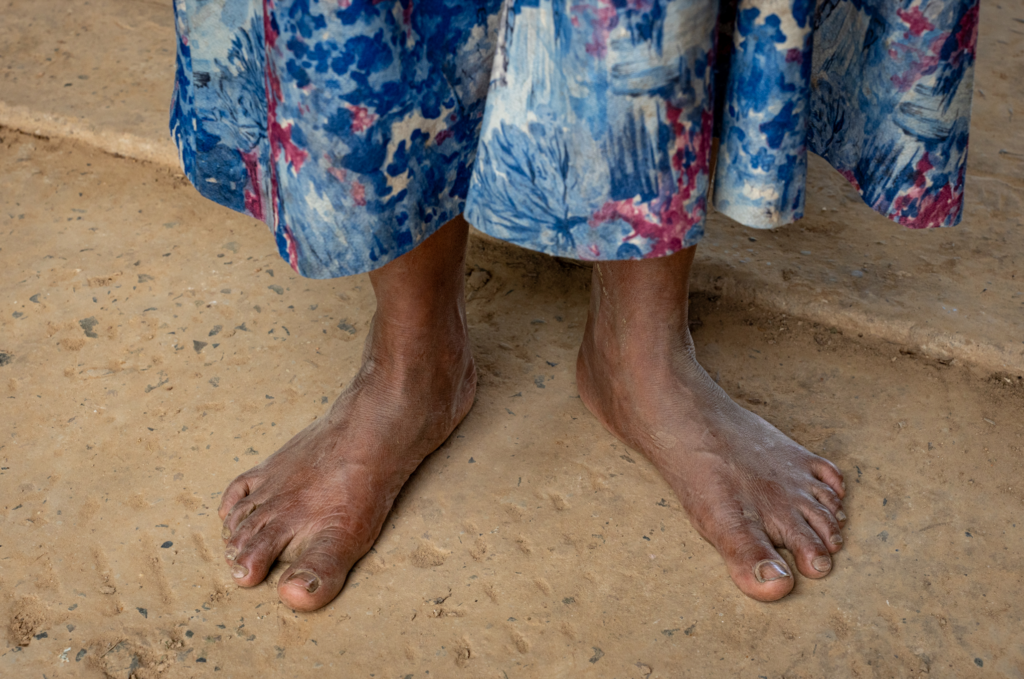
2005: Pro-Indigenous republic
Following the resignation of President Gonzalo Sánchez de Lozada, the country’s socialist movement gained momentum and strength. The Movement Toward Socialism (MAS), the country’s socialist party, won the 2005 national elections with Evo Morales as its presidential candidate. His victory reflected the strength of the social struggles, led by Indigenous Peoples, for land, autonomy, and representation.