
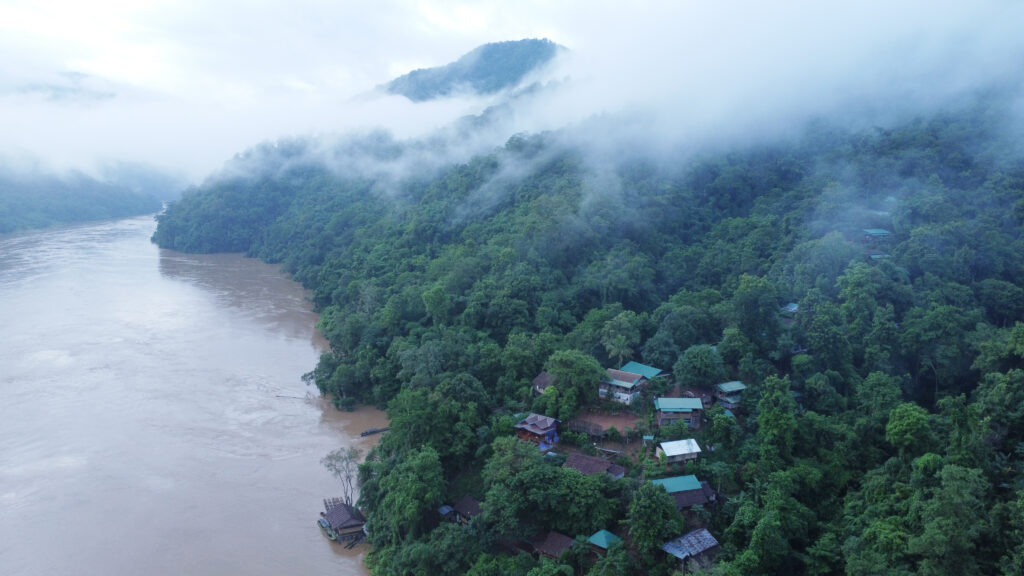
Burma, also known as Myanmar, is one of the largest countries in Southeast Asia covering around 676,500 square kilometres. It is located within the Indo-Burma biodiversity hotspot, which ranks in the top 10 globally for irreplaceability and in the top five for threats. Burma’s biodiversity, ecosystems, and forests—on which an estimated 17 million people depend—are under threat. The country is experiencing rapid expansion of agri-business plantations, unregulated logging and extraction of other natural resources, infrastructure development (including dams and roads), and alarming weather conditions and natural disasters due to climate change.
Burma is one of the most ethnically diverse countries in the region, with more than 135 nationally recognised ethnic subgroups. These are categorised into eight major groups: Bamar, Chin, Kachin, Karen, Kayah, Mon, Rakhine, and Shan. Today, the Bamar are the biggest group in the country, representing around 68% of the population. Indigenous ethnic groups in Burma are among the country’s most important forest protectors. They primarily live in the country’s peripheries and maintain deep cultural and ancestral connections with their forests and lands.
Burma has a long and complex history of conflict, which has displaced millions of people and caused ongoing political, social, and economic instability. Throughout the decades, Indigenous Peoples have experienced persistent alienation and discrimination.
Mid-ninth century–13th century
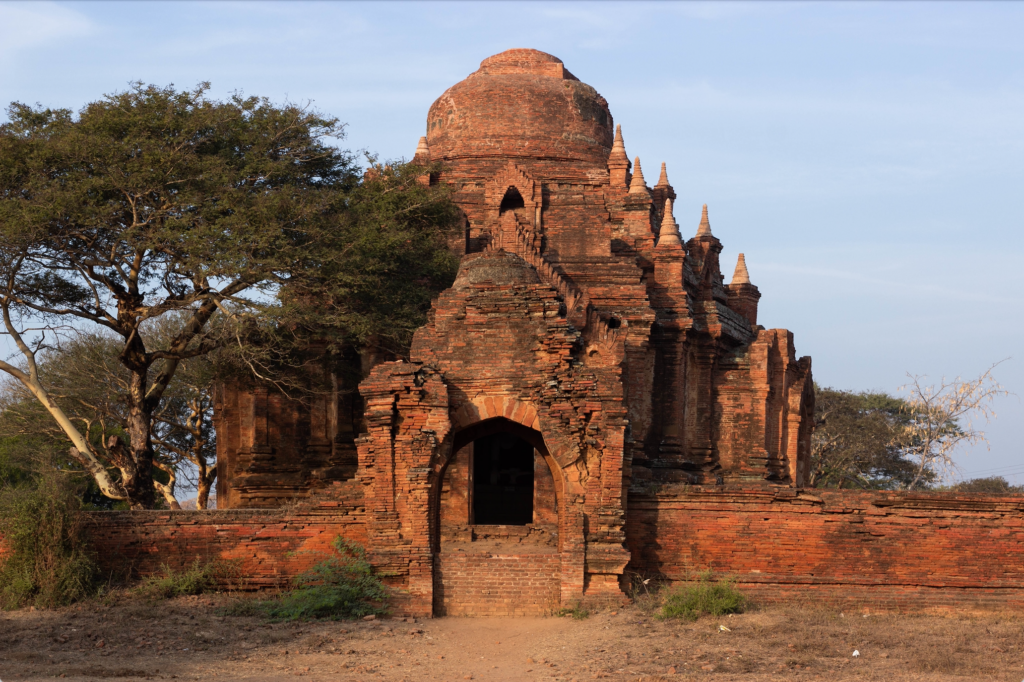
Mid-ninth century–13th century
The Bagan Empire rose, representing the first quasi-unification of present-day Burma. Burmese culture, traditions, and language developed in the nation’s central lowlands. The empire fell in the 13th century to a Mongol invasion.
1824–1948
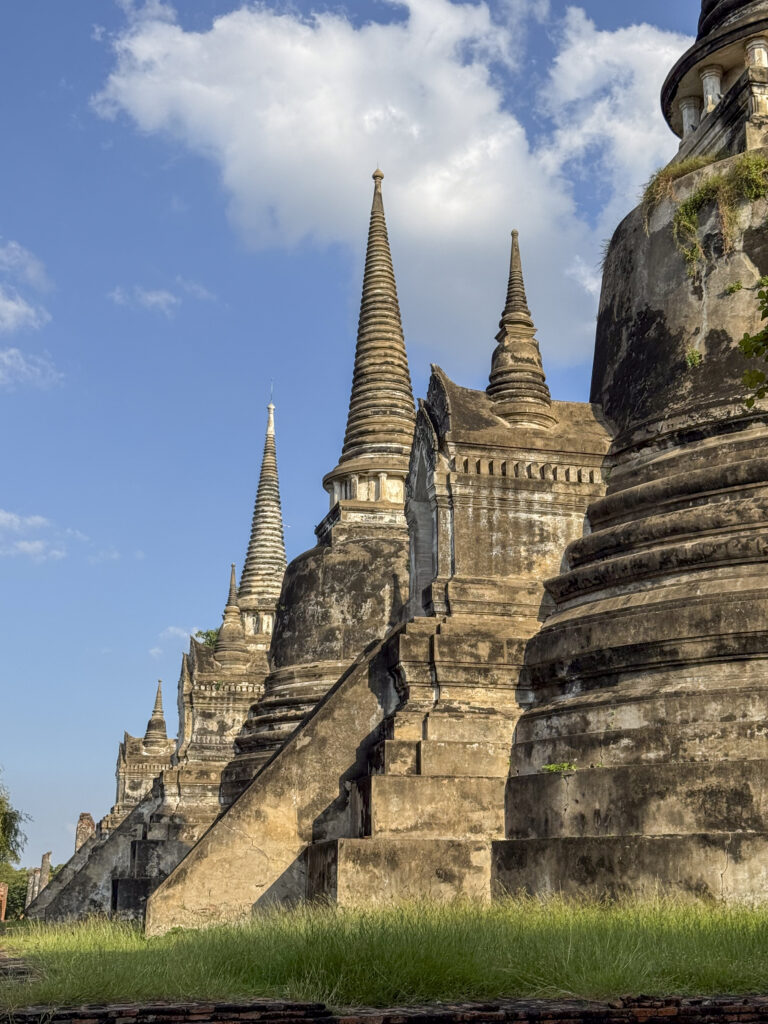
1824–1948
After three Anglo-Burmese wars, the British Empire colonised Burma and annexed it into the British Indian Empire. This period saw a deepening of ethnic divisions as well as a disruption of ethnic groups’ governance systems. Colonial authorities established land and territorial management systems that remain influential in present-day Burma. For example, land without formal ownership was designated as state property.

1962–2011

1962–2011
Burma’s parliamentary democracy was displaced by a military coup in 1962, leading to the establishment of a one-party military dictatorship. The military remained in power for nearly five decades, governing the country through authoritarian rule marked by armed resistance and repression. Many Indigenous groups faced displacement as a result of ongoing conflict, persecution, and the development of extractive projects on their lands.
2021–present
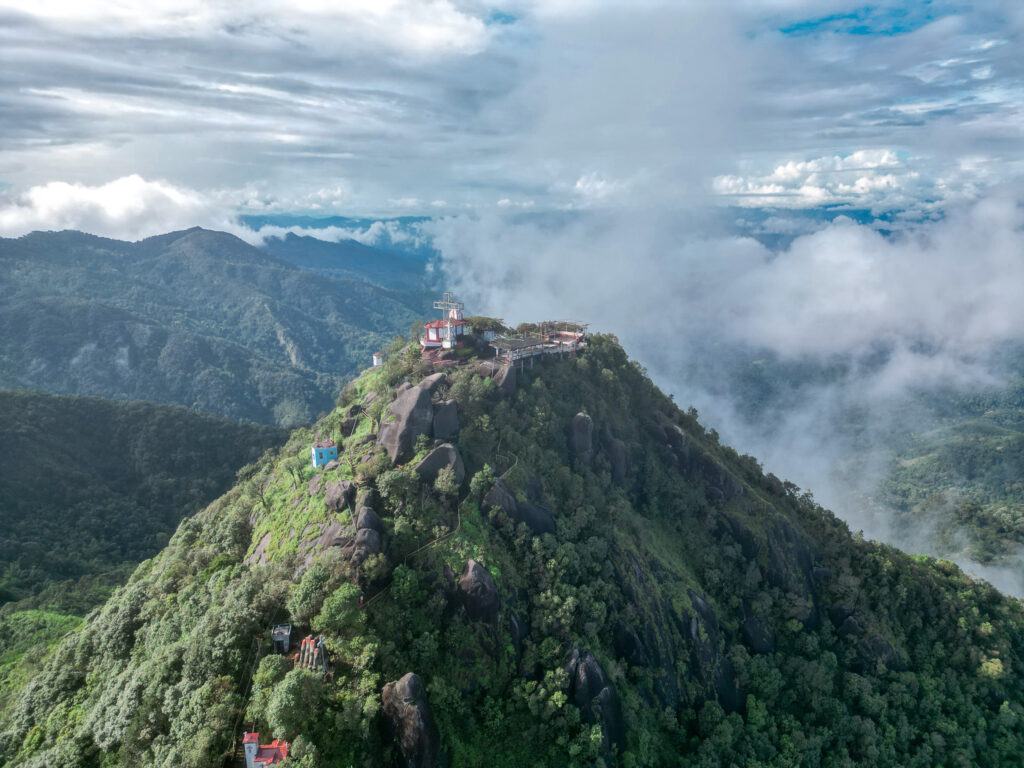
2021–present
The military regained power in 2021, forming a government which continues to rule Burma through force and intimidation. Widely condemned elections were held in 2025–2026, which further cemented the military’s control over the country. Indigenous Peoples’ customary tenure is still not recognised under the current legal land framework.
Ninth century and earlier
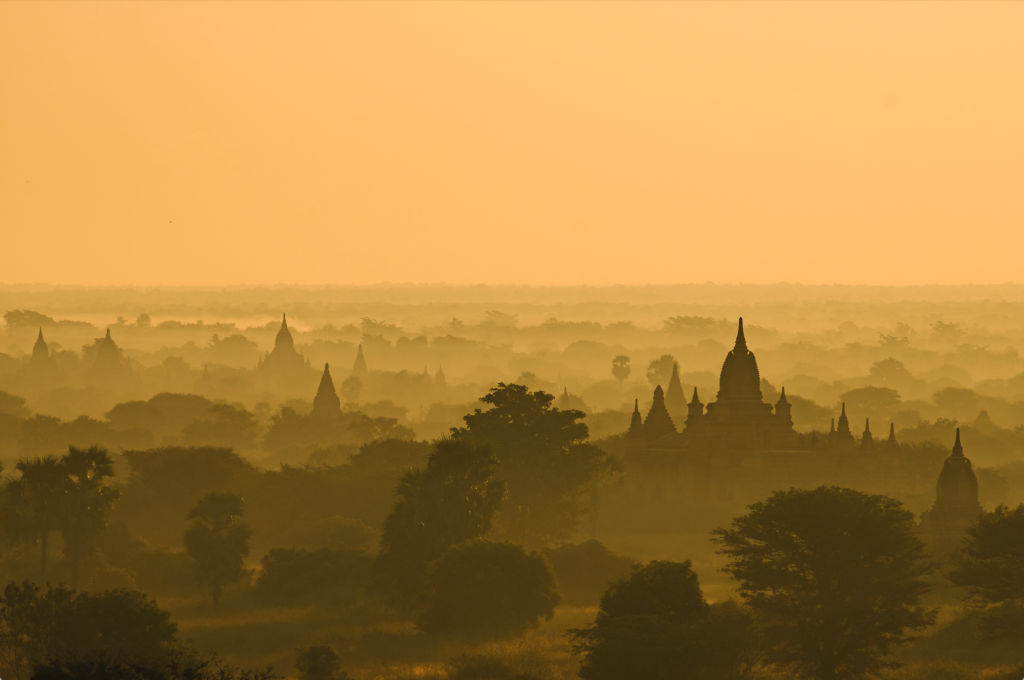
Ninth century and earlier
Early civilisations, including the Pyu and Mon, rose and developed in what is today Burma. Buddhism spread across this region, and commercial routes to South Asia were established.
13th century–19th century
13th century–19th century
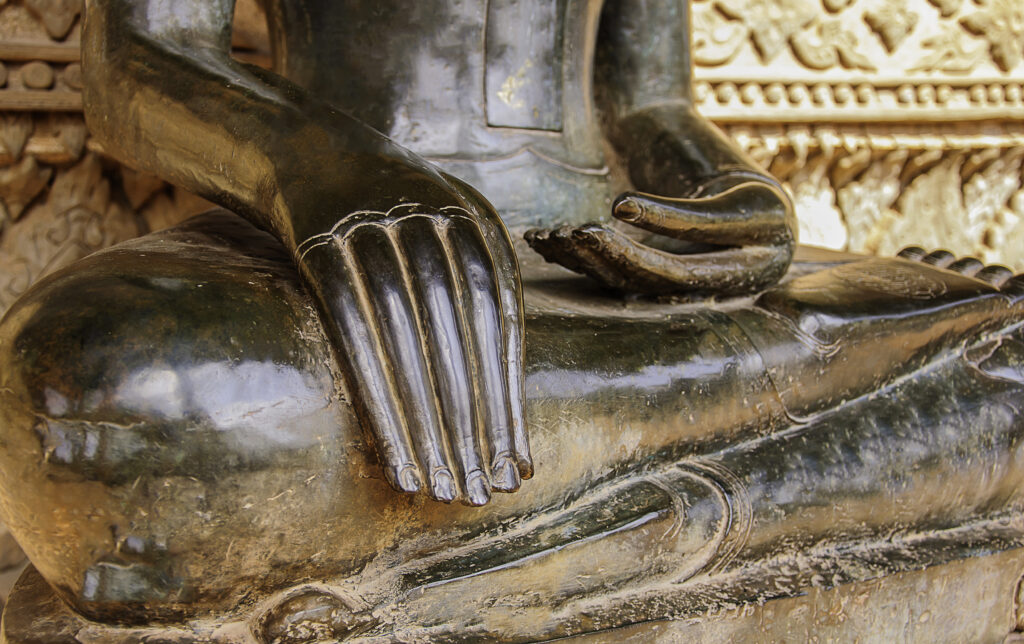
Burma underwent multiple periods of military expansion, fragmentation, and war and peace between various kingdoms. The Konbaung dynasty (1752–1885) was the last ruling kingdom before colonisation.
1948–1962
1948–1962
Burma gained independence from the United Kingdom in 1948, attempting for the first time to pursue a democratic system. Following the Burmese ruling elite’s decision not to honour promises of self-determination made to the nation’s ethnic communities, ratified through the 1947 Panglong Agreement, this period saw ethnic conflicts, political instability, and social turmoil.
2011–2021
2011–2021
The military government initiated a transition to a democratic rule in 2011. Some political and civil reforms were made, although many governmental agencies were still managed by the military. Land reforms prioritised rapid investment in natural resource extraction, the growth of private property and fragmentation of the commons, and the expropriation of the rural poor.