
This session Land Dialogue session at COP17 CBD will bring together Indigenous Peoples, small-scale fishworkers and local communities alongside funders and practitioners to explore how communities govern across connected land and water territories, and what happens when funding or institutional boundaries cut across them. Drawing on experiences across mangroves, peatlands and coasts, the conversation will ask: When communities govern land and water as one territory, how do funding and institutional choices strengthen or constrain their authority?
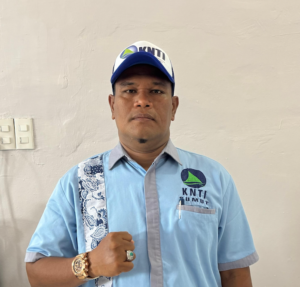
Muhammad Isa Al Basir is a small-scale fisher leader and coastal community advocate from North Sumatra, Indonesia. He serves as Chairperson of the North Sumatra Provincial Board of Kesatuan Nelayan Tradisional Indonesia (KNTI). Based in Belawan, his work focuses on protecting the rights and livelihoods of traditional fishers, securing access to fishing grounds, promoting equitable fisheries governance, and strengthening coastal communities' participation in marine policy and decision-making.
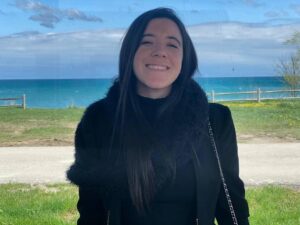
Laura Alejandra Parra has over 10 years of experience in territorial rights, environmental governance, and advocacy. She currently serves as Coordinator of Nature and Territory and National and International Advocacy Strategies on Biodiversity and Climate Change at the Observatory of Territorial Rights of Indigenous Peoples of the National Commission on Indigenous Territories (CNTI) in Colombia. Her work focuses on strengthening Indigenous Peoples' participation in global biodiversity and climate change agendas, promoting rights-based approaches, territorial governance, traditional knowledge, and social justice.
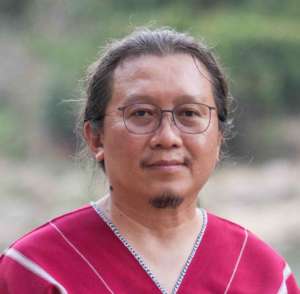
Paul Sein Twa is an Indigenous Karen leader, environmental advocate, and co-founder of KESAN. He serves as Executive Director of KESAN and Chair of the Salween Peace Park, an Indigenous-led territory for peace, self-determination, and ecological stewardship in Kawthoolei. He received the 2020 Goldman Environmental Prize for advancing community-led conservation and protecting Karen ancestral lands.